
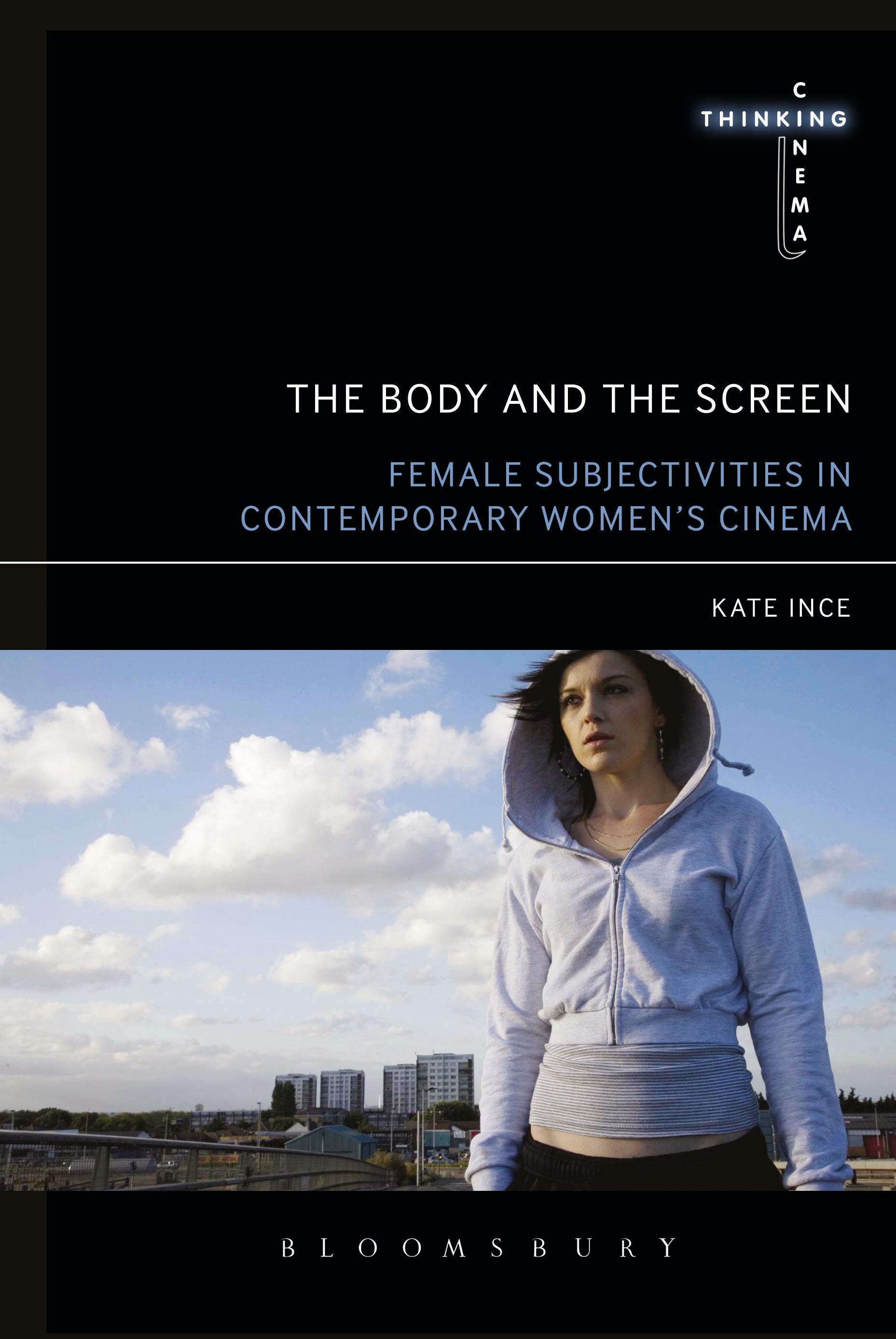
Winner of the British Association of Film, Television and Screen Studies Best Book Prize 2018
Since the 1980s the number of women regularly directing films has increased significantly in most Western countries; in France, Claire Denis and Catherine Breillat have joined Agnès Varda in gaining international renown, while British directors Lynne Ramsay and Andrea Arnold have forged award-winning careers in feature film. This new volume in the “Thinking Cinema” series draws on feminist philosophers and theorists from Simone de Beauvoir on to offer readings of a range of the most important and memorable of these films from the 1990s and 2000s, focusing as it does so on how the films convey women's lives and identities. Mainstream entertainment cinema traditionally distorts the representation of women, objectifying their bodies, minimizing their agency, and avoiding the most important questions about how cinema can "do justice" to female subjectivity. Kate Ince suggests that the films of independent women directors are progressively redressing the balance, reinvigorating both the narratives and the formal ambitions of European cinema. Ince uses feminist philosophers to interpret such films as Sex Is Comedy, Morvern Callar, White Material, and Fish Tank anew, suggesting that a philosophical understanding of female subjectivity as embodied and ethical should underpin future feminist film study.
Since the 1980s the number of women regularly directing films has increased significantly in most Western countries; in France, Claire Denis and Catherine Breillat have joined Agnès Varda in gaining international renown, while British directors Lynne Ramsay and Andrea Arnold have forged award-winning careers in feature film. This new volume in the “Thinking Cinema” series draws on feminist philosophers and theorists from Simone de Beauvoir on to offer readings of a range of the most important and memorable of these films from the 1990s and 2000s, focusing as it does so on how the films convey women's lives and identities. Mainstream entertainment cinema traditionally distorts the representation of women, objectifying their bodies, minimizing their agency, and avoiding the most important questions about how cinema can "do justice" to female subjectivity. Kate Ince suggests that the films of independent women directors are progressively redressing the balance, reinvigorating both the narratives and the formal ambitions of European cinema. Ince uses feminist philosophers to interpret such films as Sex Is Comedy, Morvern Callar, White Material, and Fish Tank anew, suggesting that a philosophical understanding of female subjectivity as embodied and ethical should underpin future feminist film study.
Seiten: 224
Kategorie: Film- & Medievetenskap
e-ISBN: 9781623565206
Versandgewicht: 1.2 kg
Versand in: 1-2 Tage
Zahle einfach mit Karte, Klarna, Apple Pay oder Google Pay. Nicht zufrieden? Du hast immer ein 14-tägiges Widerrufsrecht. Lies mehr in unseren AGB. Hast du Fragen, schreib uns eine E-Mail an hello@memmo.org.
Memmo macht das Lernen einfacher – wo auch immer du bist. Bei uns findest du deine Kursbücher und smarte Lerntools an einem Ort: Zusammenfassungen, Quizzes, Podcasts und Lernkarten. Und Ted, dein Lernbuddy, beantwortet alles, was du wissen möchtest. Über 50.000 Studierende lernen bereits hier – gemacht, damit du schneller lernst und weniger Stress hast.