
In 1978, San Francisco, a city that has seen more than its share of trauma, plunged from a summer of political tension into an autumn cascade of malevolence that so eluded human comprehension it seemed almost demonic. The battles over property taxes and a ballot initiative calling for a ban on homosexuals teaching in public schools gave way to the madness of the Jonestown massacre and the murders of Mayor George Moscone and city supervisor Harvey Milk at the hands of their former colleague, Dan White.
In the year that followed this season of insanity, it made sense that a band called Dead Kennedys played Mabuhay Gardens in North Beach, referring to Governor Jerry Brown as a "zen fascist," calling for landlords to be lynched and yuppie gentrifiers to be sent to Cambodia to work for "a bowl of rice a day," critiquing government welfare and defense policies, and, at a time when each week seemed to bring news of a new serial killer or child abduction, commenting on dead and dying children. But it made sense only (or primarily) to those who were there, to those who experienced the heyday of "the Mab."
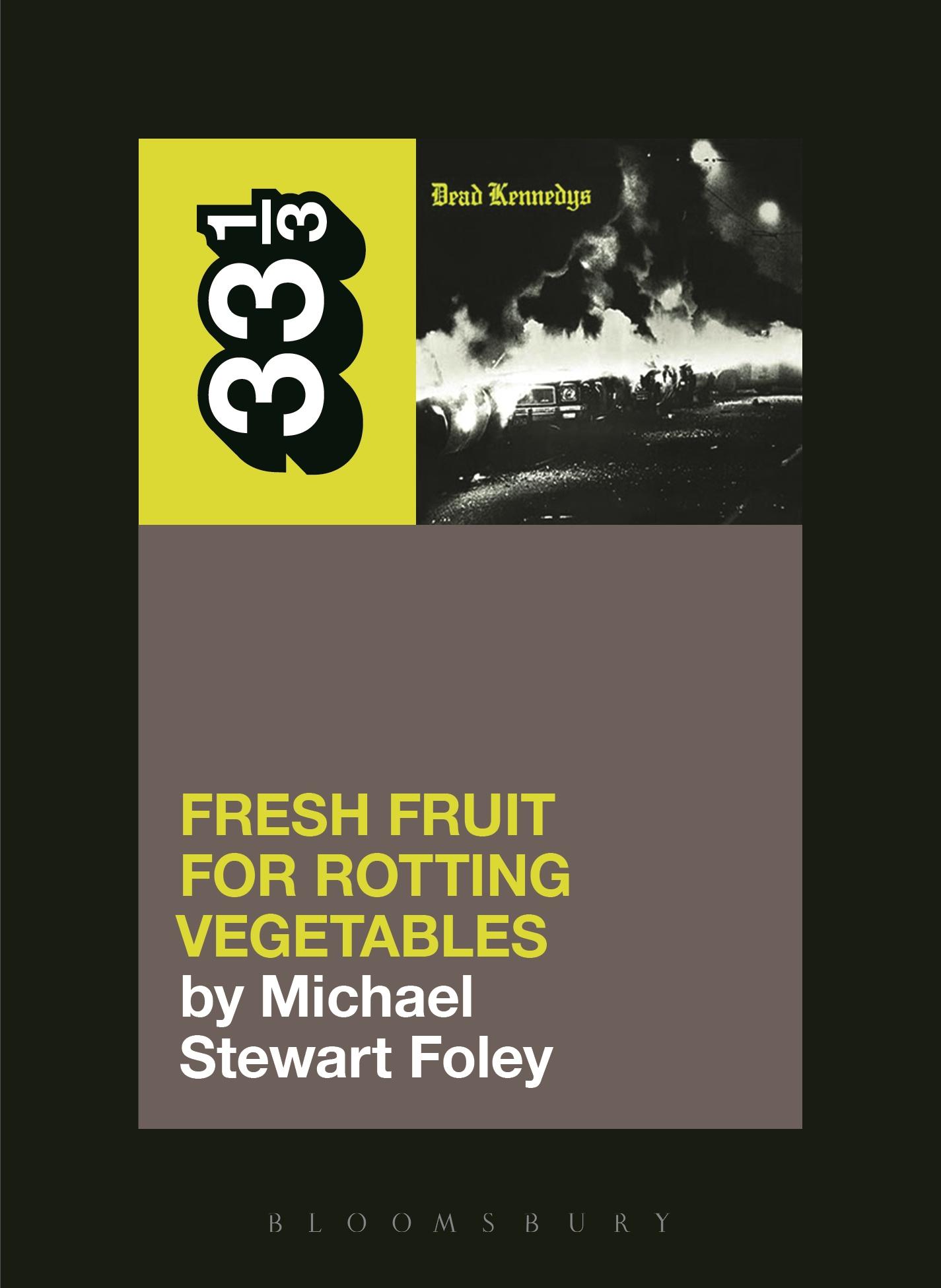
Most histories of the 1970s and 1980s ignore youth politics and subcultures. Drawing on Bay Area zines as well as new interviews with the band and many key figures from the early San Francisco punk scene, Michael Stewart Foley corrects that failing by treating Dead Kennedys' first record, Fresh Fruit for Rotting Vegetables, as a critical historical document, one that not only qualified as political expression but, whether experienced on vinyl or from the stage of "the Mab," stimulated emotions and ideals that were, if you can believe it, utopian.
In the year that followed this season of insanity, it made sense that a band called Dead Kennedys played Mabuhay Gardens in North Beach, referring to Governor Jerry Brown as a "zen fascist," calling for landlords to be lynched and yuppie gentrifiers to be sent to Cambodia to work for "a bowl of rice a day," critiquing government welfare and defense policies, and, at a time when each week seemed to bring news of a new serial killer or child abduction, commenting on dead and dying children. But it made sense only (or primarily) to those who were there, to those who experienced the heyday of "the Mab."
Most histories of the 1970s and 1980s ignore youth politics and subcultures. Drawing on Bay Area zines as well as new interviews with the band and many key figures from the early San Francisco punk scene, Michael Stewart Foley corrects that failing by treating Dead Kennedys' first record, Fresh Fruit for Rotting Vegetables, as a critical historical document, one that not only qualified as political expression but, whether experienced on vinyl or from the stage of "the Mab," stimulated emotions and ideals that were, if you can believe it, utopian.
Zahle einfach mit Karte, Klarna, Apple Pay oder Google Pay. Nicht zufrieden? Du hast immer ein 14-tägiges Widerrufsrecht. Lies mehr in unseren AGB. Hast du Fragen, schreib uns eine E-Mail an hello@memmo.org.
Memmo macht das Lernen einfacher – wo auch immer du bist. Bei uns findest du deine Kursbücher und smarte Lerntools an einem Ort: Zusammenfassungen, Quizzes, Podcasts und Lernkarten. Und Ted, dein Lernbuddy, beantwortet alles, was du wissen möchtest. Über 50.000 Studierende lernen bereits hier – gemacht, damit du schneller lernst und weniger Stress hast.