
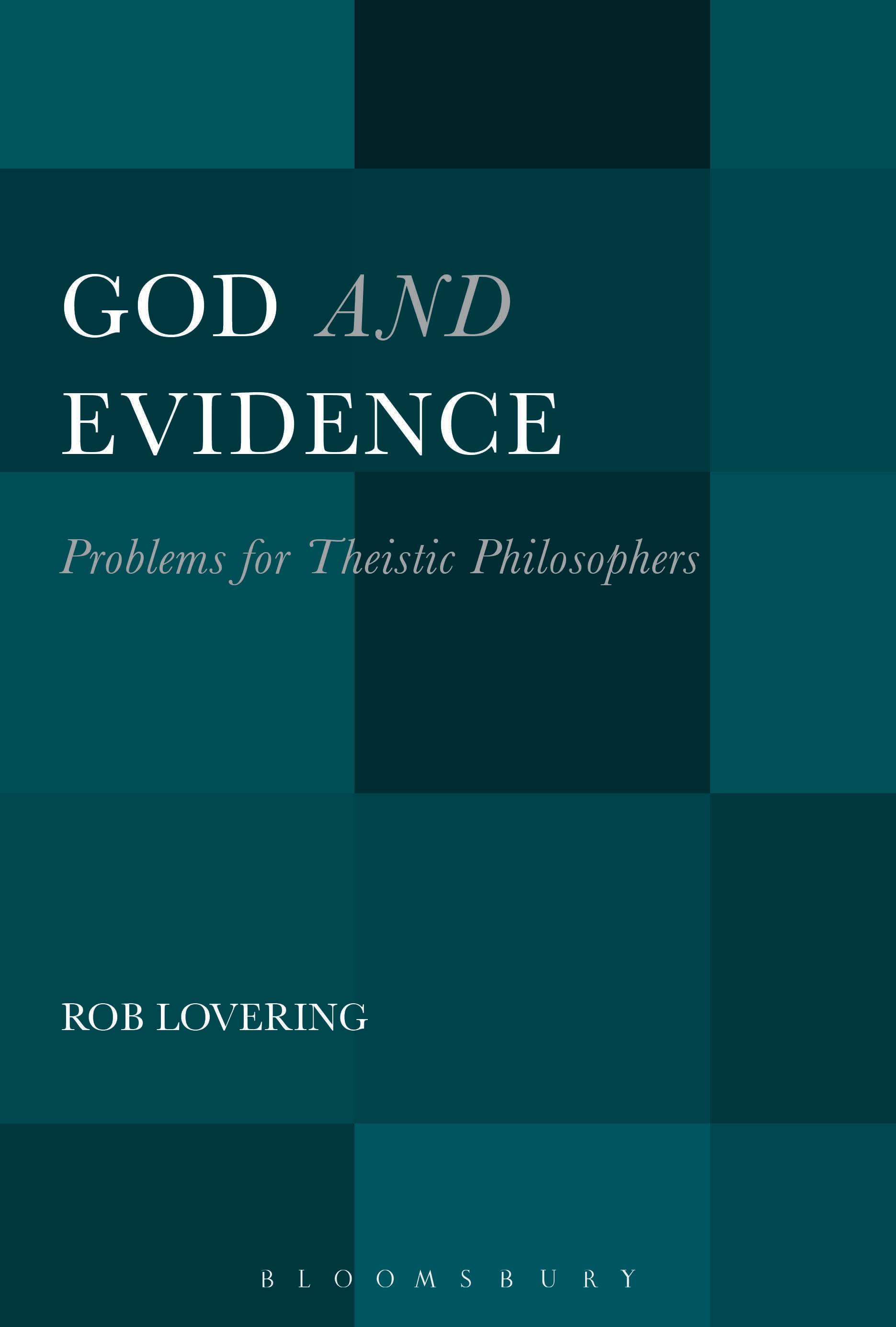
God and Evidence presents a new set of compelling problems for theistic philosophers. The problems pertain to three types of theistic philosopher, which Lovering defines here as 'theistic inferentialists,' 'theistic non-inferentialists,' and 'theistic fideists.' Theistic inferentialists believe that God exists, that there is inferential probabilifying evidence of God's existence, and that this evidence is discoverable not simply in principle but in practice. Theistic non-inferentialists believe that God exists, that there is non-inferential probabilifying evidence of God's existence, and that this evidence is discoverable not simply in principle but in practice. Theistic fideists believe that God exists, that there is no discoverable probabilifying evidence (inferential or non-inferential) of God's existence, and that it is nevertheless acceptable-morally if not otherwise-to have faith that God exists. Lovering argues that each type of theistic philosopher faces a problem unique to his type and that they all share two particular problems. Some of these problems take us down an entirely new discursive path; others down a new discursive path branching off from an old one.
Zahle einfach mit Karte, Klarna, Apple Pay oder Google Pay. Nicht zufrieden? Du hast immer ein 14-tägiges Widerrufsrecht. Lies mehr in unseren AGB. Hast du Fragen, schreib uns eine E-Mail an hello@memmo.org.
Memmo macht das Lernen einfacher – wo auch immer du bist. Bei uns findest du deine Kursbücher und smarte Lerntools an einem Ort: Zusammenfassungen, Quizzes, Podcasts und Lernkarten. Und Ted, dein Lernbuddy, beantwortet alles, was du wissen möchtest. Über 50.000 Studierende lernen bereits hier – gemacht, damit du schneller lernst und weniger Stress hast.