
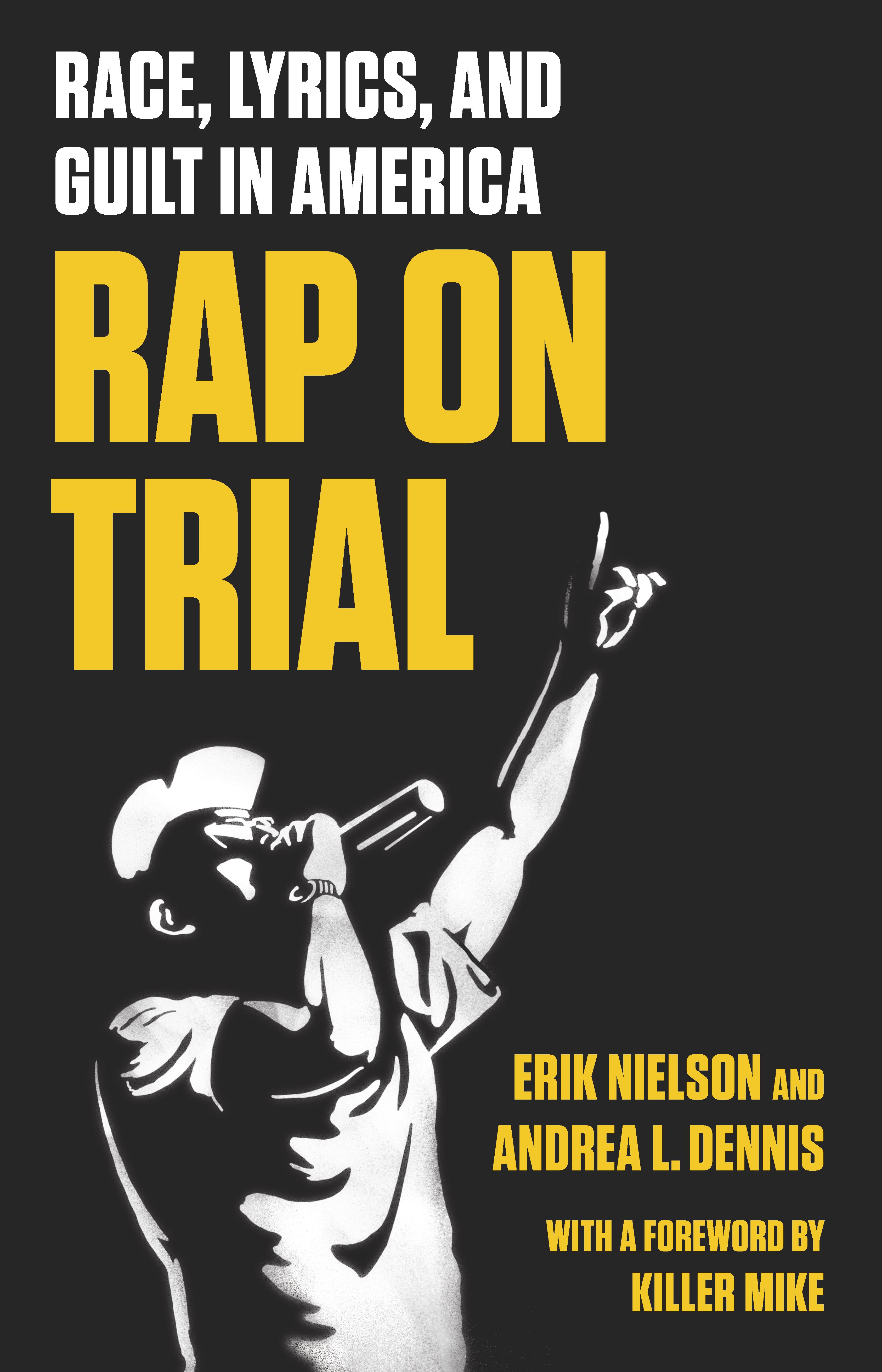
A groundbreaking exposé about the alarming use of rap lyrics as criminal evidence to convict and incarcerate young men of color
Should Johnny Cash have been charged with murder after he sang, "I shot a man in Reno just to watch him die"? Few would seriously subscribe to this notion of justice. Yet in 2001, a rapper named Mac whose music had gained national recognition was convicted of manslaughter after the prosecutor quoted liberally from his album Shell Shocked. Mac was sentenced to thirty years in prison, where he remains. And his case is just one of many nationwide.
Over the last three decades, as rap became increasingly popular, prosecutors saw an opportunity: they could present the sometimes violent, crime-laden lyrics of amateur rappers as confessions to crimes, threats of violence, evidence of gang affiliation, or revelations of criminal motive—and judges and juries would go along with it. Detectives have reopened cold cases on account of rap lyrics and videos alone, and prosecutors have secured convictions by presenting such lyrics and videos of rappers as autobiography. Now, an alarming number of aspiring rappers are imprisoned. No other form of creative expression is treated this way in the courts.
Rap on Trial places this disturbing practice in the context of hip hop history and exposes what's at stake. It's a gripping, timely exploration at the crossroads of contemporary hip hop and mass incarceration.
Zahle einfach mit Karte, Klarna, Apple Pay oder Google Pay. Nicht zufrieden? Du hast immer ein 14-tägiges Widerrufsrecht. Lies mehr in unseren AGB. Hast du Fragen, schreib uns eine E-Mail an hello@memmo.org.
Memmo macht das Lernen einfacher – wo auch immer du bist. Bei uns findest du deine Kursbücher und smarte Lerntools an einem Ort: Zusammenfassungen, Quizzes, Podcasts und Lernkarten. Und Ted, dein Lernbuddy, beantwortet alles, was du wissen möchtest. Über 50.000 Studierende lernen bereits hier – gemacht, damit du schneller lernst und weniger Stress hast.