
Ohio was once covered by a thick forest and populated by a great variety of animals, but the first blows of settlers’ axes heralded cataclysmic changes. By 1900 only about 15 percent of the state remained tree-covered. The effects of settlement upon native animal species varied widely, and the fortunes of many have risen and fallen more than once.
Large predators such as wolves, panthers, and bears disappeared early, as did big herbivores such as bison and elk. Hunters and trappers drove many furbearers out of existence, though wildlife managers have successfully reintroduced beaver and river otters in this century. Other mammals and birds, including white-tailed deer and wild turkeys, have also reappeared.
Human encroachment has had mixed effects among non-game animals: the barn owl population surged as farming provided meadows teeming with voles and other preferred food, then plummeted as families abandoned unproductive farms. Some reptiles have declined as a result of loss of habitat, and wetland draining and intensive farming have reduced amphibian populations. Coyotes and raccoons, hardy opportunists, have flourished in the human-dominated environment.
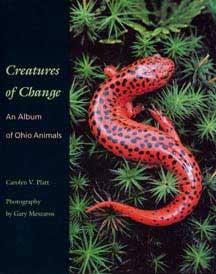
In Creatures of Change, Carolyn V. Platt examines two hundred years of wildlife in Ohio. Over a hundred color photos by Gary Meszaros complement the text. Written in an accessible style, the book will appeal to anyone with an interest in Ohio’s wildlife, but it will also be a valuable reference for specialists.
Zahle einfach mit Karte, Klarna, Apple Pay oder Google Pay. Nicht zufrieden? Du hast immer ein 14-tägiges Widerrufsrecht. Lies mehr in unseren AGB. Hast du Fragen, schreib uns eine E-Mail an hello@memmo.org.
Memmo macht das Lernen einfacher – wo auch immer du bist. Bei uns findest du deine Kursbücher und smarte Lerntools an einem Ort: Zusammenfassungen, Quizzes, Podcasts und Lernkarten. Und Ted, dein Lernbuddy, beantwortet alles, was du wissen möchtest. Über 50.000 Studierende lernen bereits hier – gemacht, damit du schneller lernst und weniger Stress hast.