
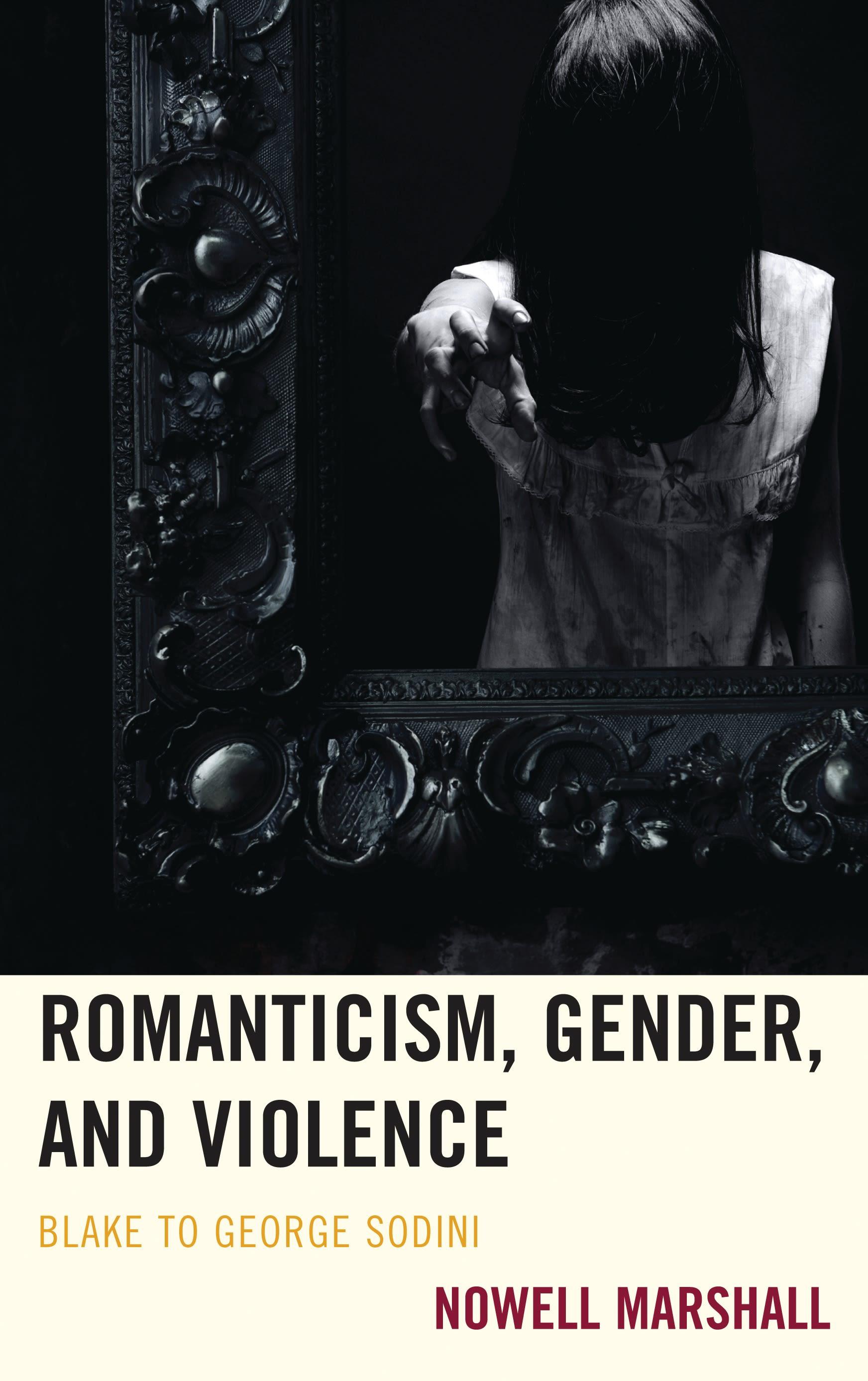
Combining queer theory with theories of affect, psychoanalysis, and Foucauldian genealogy, Romanticism, Gender, and Violence: Blake to George Sodini theorizes performative melancholia, a condition where, regardless of sexual orientation, overinvestment in gender norms causes subjects who are unable to embody those norms to experience socially expected (‘normal’) gender as something unattainable or lost. This perceived loss causes an ambivalence within the subject that can lead to self-inflicted violence (masochism, suicide) or violence toward others (sadism, murder). Reading a range of Romantic poetry and novels between 1790-1820, but ultimately moving beyond the period to show its contemporary cultural relevance through readings of Eliot’s The Mill on the Floss, Virginia Woolf’s Mrs. Dalloway, Andrew Holleran’s Dancer from the Dance, and George Sodini’s 2009 murder-suicide case, this study argues that we need to move beyond focusing on bullying, teens, and LGBT students and look at our cultural investment in gender normativity itself. Doing so allows us to recognize that the relationship between non-normative gender performance and violence is not simply a gay problem; it is a human problem that can affect people of any sex, sexuality, age, race, or ethnicity and one that we can trace back to the Romantic period. Bringing late 18th-century novels into conversation with both canonical and lesser-known Romantic poetry, allows us to see that, as people whose performance of gender occasionally exceeds the normal, we too often internalize these norms and punish ourselves or others for our inability to adhere to them. Contrasting paired chapters by male and female authors and including sections on failed romantic coupling, melancholic femininities, melancholic masculinities, failed gender performance and madness, and ending with a section titled After Romanticism, this study works on multiple levels to complicate previous understandings of gender and violence in Romanticism while also offering a model for contemporary issues relating to gender and violence among people who ‘fail’ to perform gender according to social norms.
Zahle einfach mit Karte, Klarna, Apple Pay oder Google Pay. Nicht zufrieden? Du hast immer ein 14-tägiges Widerrufsrecht. Lies mehr in unseren AGB. Hast du Fragen, schreib uns eine E-Mail an hello@memmo.org.
Memmo macht das Lernen einfacher – wo auch immer du bist. Bei uns findest du deine Kursbücher und smarte Lerntools an einem Ort: Zusammenfassungen, Quizzes, Podcasts und Lernkarten. Und Ted, dein Lernbuddy, beantwortet alles, was du wissen möchtest. Über 50.000 Studierende lernen bereits hier – gemacht, damit du schneller lernst und weniger Stress hast.