
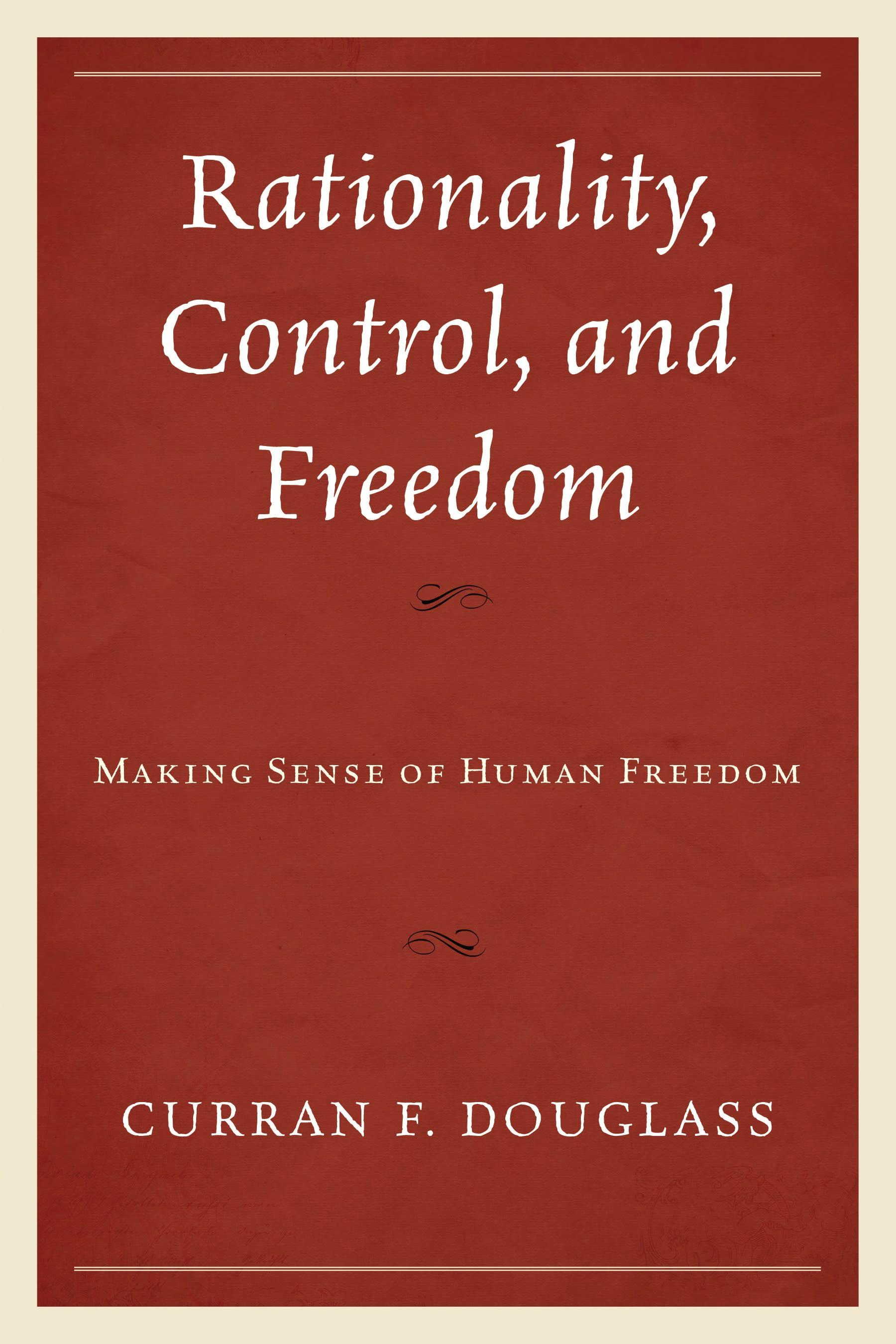
The subject of this book is the controversy—one of the oldest in philosophy—about whether it is possible to have freedom in the face of universal causal determinism. Of course, it is crucial to consider what such freedom might mean—in particular, there is an important distinction between libertarian “free will” and the more naturalistic view of freedom taken by compatibilists.
This book provides background for laypersons through a historical survey of earlier views and some discussion and criticism of various contemporary views. In particular, it states and discusses the Consequence Argument, the most important argument challenging human freedom in recent literature. The main feature of the book is the argument for a solution: one that is within the compatibilist tradition, is naturalistic and in accord with findings of science and principles of engineering control theory. Some particular features of the offered solution include an argument for a close tie between freedom and control—where what is meant is the voluntary motion control of our bodies, and this “control” is understood naturalistically, by which the author means in accordance with concepts of engineering control theory and modern science. Such concepts are used to explain and demarcate the concept of “control” being used. Then it develops a working conception of what rationality is (since what is crucial is freedom in choice, and rationality is crucial to that), by reviewing texts on the subject by three expert authors (namely, Nathanson, Nozick, and Searle). It is argued that rationality is a species of biological learning control that involves deliberation; and that our freedom in choice is greatest when our choices are most rational.
This book provides background for laypersons through a historical survey of earlier views and some discussion and criticism of various contemporary views. In particular, it states and discusses the Consequence Argument, the most important argument challenging human freedom in recent literature. The main feature of the book is the argument for a solution: one that is within the compatibilist tradition, is naturalistic and in accord with findings of science and principles of engineering control theory. Some particular features of the offered solution include an argument for a close tie between freedom and control—where what is meant is the voluntary motion control of our bodies, and this “control” is understood naturalistically, by which the author means in accordance with concepts of engineering control theory and modern science. Such concepts are used to explain and demarcate the concept of “control” being used. Then it develops a working conception of what rationality is (since what is crucial is freedom in choice, and rationality is crucial to that), by reviewing texts on the subject by three expert authors (namely, Nathanson, Nozick, and Searle). It is argued that rationality is a species of biological learning control that involves deliberation; and that our freedom in choice is greatest when our choices are most rational.
Zahle einfach mit Karte, Klarna, Apple Pay oder Google Pay. Nicht zufrieden? Du hast immer ein 14-tägiges Widerrufsrecht. Lies mehr in unseren AGB. Hast du Fragen, schreib uns eine E-Mail an hello@memmo.org.
Memmo macht das Lernen einfacher – wo auch immer du bist. Bei uns findest du deine Kursbücher und smarte Lerntools an einem Ort: Zusammenfassungen, Quizzes, Podcasts und Lernkarten. Und Ted, dein Lernbuddy, beantwortet alles, was du wissen möchtest. Über 50.000 Studierende lernen bereits hier – gemacht, damit du schneller lernst und weniger Stress hast.