
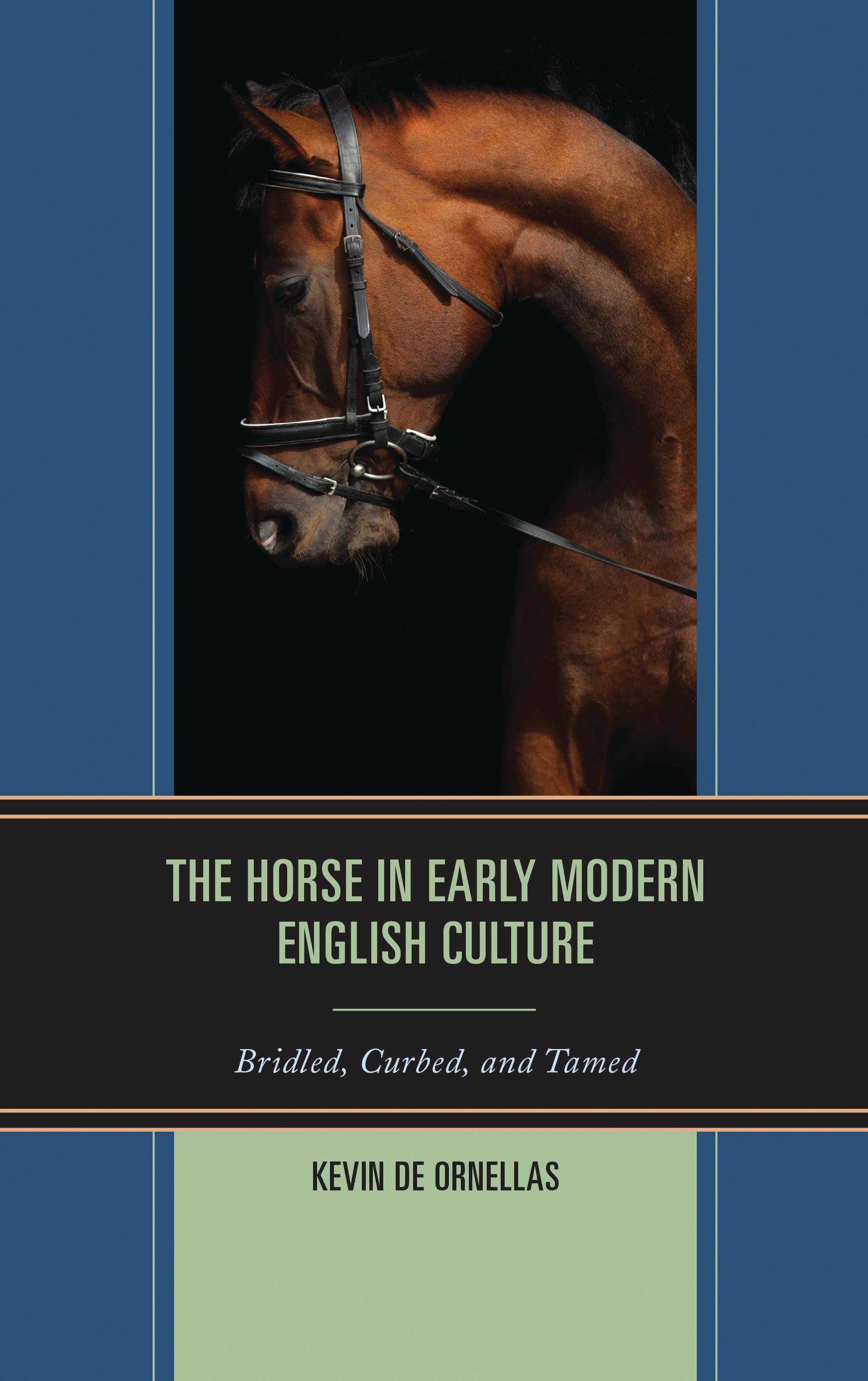
Kevin De Ornellas argues that in Renaissance England the relationship between horse and rider works as an unambiguous symbol of domination by the strong over the weak. There was little sentimental concern for animal welfare, leading to the routine abuse of the material animal. This unproblematic, practical exploitation of the horse led to the currency of the horse/rider relationship as a trope or symbol of exploitation in the literature of the period. Engaging with fiction, plays, poems, and non-fictional prose works of late Tudor and early Stuart England, De Ornellas demonstrates that the horse—a bridled, unwilling slave—becomes a yardstick against which the oppression of England’s poor, women, increasingly uninfluential clergyman, and deluded gamblers is measured. The status of the bitted, harnessed horse was a low one in early modern England—to be compared to such a beast is a demonstration of inferiority and subjugation. To think anything else is to be naïve about the realities of horse management in the period and is to be naïve about the realities of the exploitation of horses and other mammals in the present-day world.
Zahle einfach mit Karte, Klarna, Apple Pay oder Google Pay. Nicht zufrieden? Du hast immer ein 14-tägiges Widerrufsrecht. Lies mehr in unseren AGB. Hast du Fragen, schreib uns eine E-Mail an hello@memmo.org.
Memmo macht das Lernen einfacher – wo auch immer du bist. Bei uns findest du deine Kursbücher und smarte Lerntools an einem Ort: Zusammenfassungen, Quizzes, Podcasts und Lernkarten. Und Ted, dein Lernbuddy, beantwortet alles, was du wissen möchtest. Über 50.000 Studierende lernen bereits hier – gemacht, damit du schneller lernst und weniger Stress hast.