
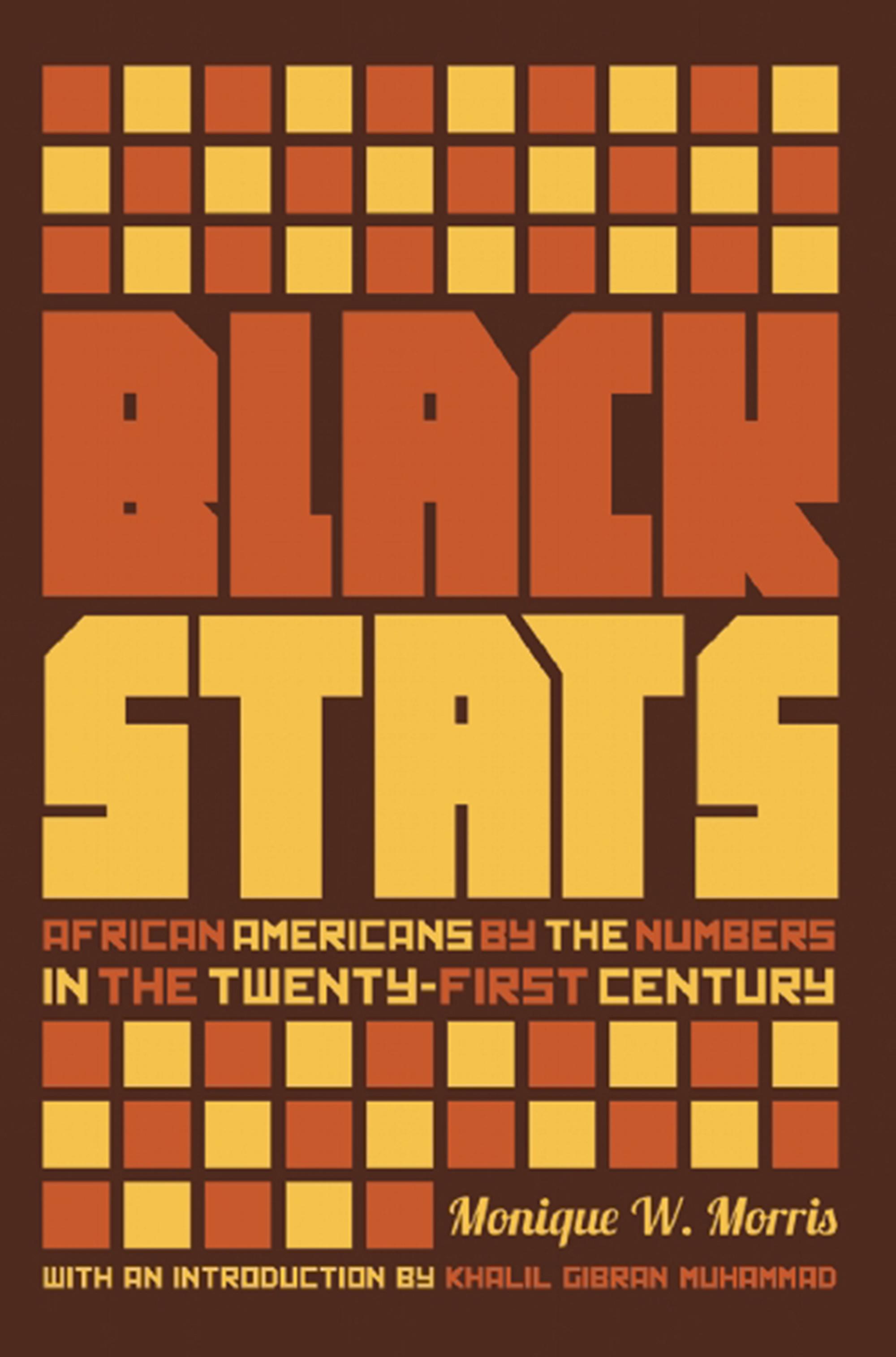
Black Stats—a comprehensive guide filled with contemporary facts and figures on African Americans—is an essential reference for anyone attempting to fathom the complex state of our nation. With fascinating and often surprising information on everything from incarceration rates, lending practices, and the arts to marriage, voting habits, and green jobs, the contextualized material in this book will better attune readers to telling trends while challenging commonly held, yet often misguided, perceptions.
A compilation that at once highlights measures of incredible progress and enumerates the disparate impacts of social policies and practices, this book is a critical tool for advocates, educators, and policy makers. Black Stats offers indispensable information that is sure to enlighten discussions and provoke debates about the quality of Black life in the United States today—and help chart the path to a better future.
There are less than a quarter-million Black public school teachers in the U.S.—representing just 7 percent of all teachers in public schools.
Approximately half of the Black population in the United States lives in neighborhoods that have no White residents.
In the five years before the Great Recession, the number of Black-owned businesses in the United States increased by 61 percent.
A 2010 study found that 41 percent of Black youth feel that rap music videos should be more political.
There are no Black owners or presidents of an NFL franchise team.
78 percent of Black Americans live within 30 miles of a coal-fired power plant, compared with 56 percent of White Americans.
A compilation that at once highlights measures of incredible progress and enumerates the disparate impacts of social policies and practices, this book is a critical tool for advocates, educators, and policy makers. Black Stats offers indispensable information that is sure to enlighten discussions and provoke debates about the quality of Black life in the United States today—and help chart the path to a better future.
There are less than a quarter-million Black public school teachers in the U.S.—representing just 7 percent of all teachers in public schools.
Approximately half of the Black population in the United States lives in neighborhoods that have no White residents.
In the five years before the Great Recession, the number of Black-owned businesses in the United States increased by 61 percent.
A 2010 study found that 41 percent of Black youth feel that rap music videos should be more political.
There are no Black owners or presidents of an NFL franchise team.
78 percent of Black Americans live within 30 miles of a coal-fired power plant, compared with 56 percent of White Americans.
Zahle einfach mit Karte, Klarna, Apple Pay oder Google Pay. Nicht zufrieden? Du hast immer ein 14-tägiges Widerrufsrecht. Lies mehr in unseren AGB. Hast du Fragen, schreib uns eine E-Mail an hello@memmo.org.
Memmo macht das Lernen einfacher – wo auch immer du bist. Bei uns findest du deine Kursbücher und smarte Lerntools an einem Ort: Zusammenfassungen, Quizzes, Podcasts und Lernkarten. Und Ted, dein Lernbuddy, beantwortet alles, was du wissen möchtest. Über 50.000 Studierende lernen bereits hier – gemacht, damit du schneller lernst und weniger Stress hast.
Das könnte dir auch gefallen
Buch kaufen0