
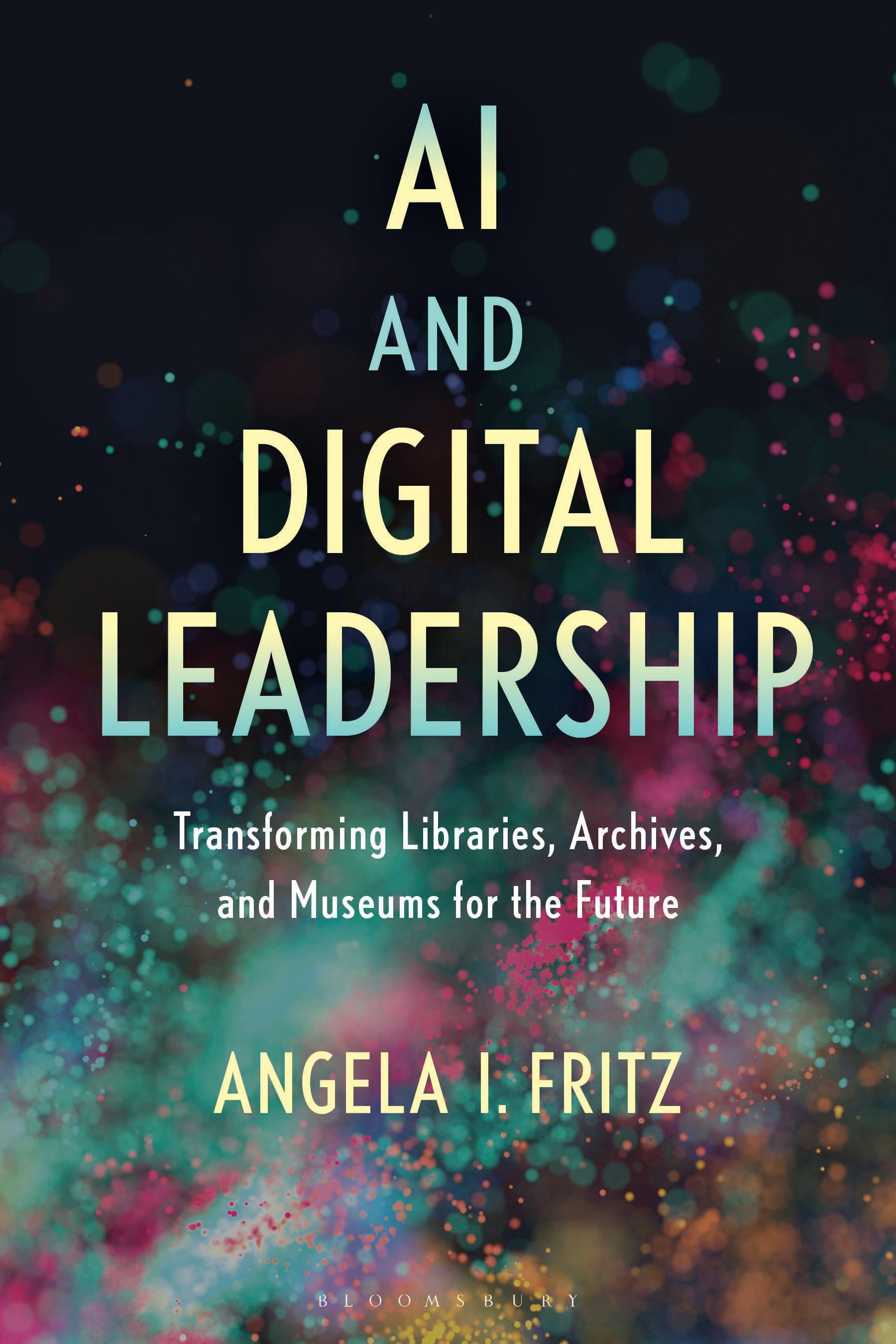
Explore how GLAM institutions are navigating new leadership styles and organizational frameworks to help meet the challenges posed by a digital society.
During this time of digital transformation, galleries, libraries, archives, and museums (GLAMs) are facing a generational challenge that calls on them to rethink their roles and responsibilities, re-evaluate policies and practices, and re-envision creative management and use of their collections. While AI is not new for GLAMs, the rapid development of generative AI has accelerated the pace of change along with a host of risks and benefits. For cultural heritage institutions, the stakes for implementing emerging AI technologies are high as GLAMs navigate questions relating to cultural relevance, limited resources and expanding backlogs of digital collections. GLAMs must also contend with the major intellectual and social implications for supporting entirely new approaches to learning, scholarship and public engagement. As GLAMs strive to keep pace, this book turns to explore how cultural heritage institutions can draw on a model of digital leadership to help them meet the challenges posed by the ethical implementation and use of generative AI in the stewardship of distinctive collections. Although digital leadership has been widely written about in the fields of business management, communication and marketing and information technology, it has not yet been addressed in a book format for the GLAM sector. In addition to discussing the basic definition and concepts of digital leadership, this book explores digital leadership as a critical framework for GLAMs to advance digital stewardship programs, professional development and staff training initiatives, and institutional advocacy in the age of AI.
During this time of digital transformation, galleries, libraries, archives, and museums (GLAMs) are facing a generational challenge that calls on them to rethink their roles and responsibilities, re-evaluate policies and practices, and re-envision creative management and use of their collections. While AI is not new for GLAMs, the rapid development of generative AI has accelerated the pace of change along with a host of risks and benefits. For cultural heritage institutions, the stakes for implementing emerging AI technologies are high as GLAMs navigate questions relating to cultural relevance, limited resources and expanding backlogs of digital collections. GLAMs must also contend with the major intellectual and social implications for supporting entirely new approaches to learning, scholarship and public engagement. As GLAMs strive to keep pace, this book turns to explore how cultural heritage institutions can draw on a model of digital leadership to help them meet the challenges posed by the ethical implementation and use of generative AI in the stewardship of distinctive collections. Although digital leadership has been widely written about in the fields of business management, communication and marketing and information technology, it has not yet been addressed in a book format for the GLAM sector. In addition to discussing the basic definition and concepts of digital leadership, this book explores digital leadership as a critical framework for GLAMs to advance digital stewardship programs, professional development and staff training initiatives, and institutional advocacy in the age of AI.
Zahle einfach mit Karte, Klarna, Apple Pay oder Google Pay. Nicht zufrieden? Du hast immer ein 14-tägiges Widerrufsrecht. Lies mehr in unseren AGB. Hast du Fragen, schreib uns eine E-Mail an hello@memmo.org.
Memmo macht das Lernen einfacher – wo auch immer du bist. Bei uns findest du deine Kursbücher und smarte Lerntools an einem Ort: Zusammenfassungen, Quizzes, Podcasts und Lernkarten. Und Ted, dein Lernbuddy, beantwortet alles, was du wissen möchtest. Über 50.000 Studierende lernen bereits hier – gemacht, damit du schneller lernst und weniger Stress hast.