
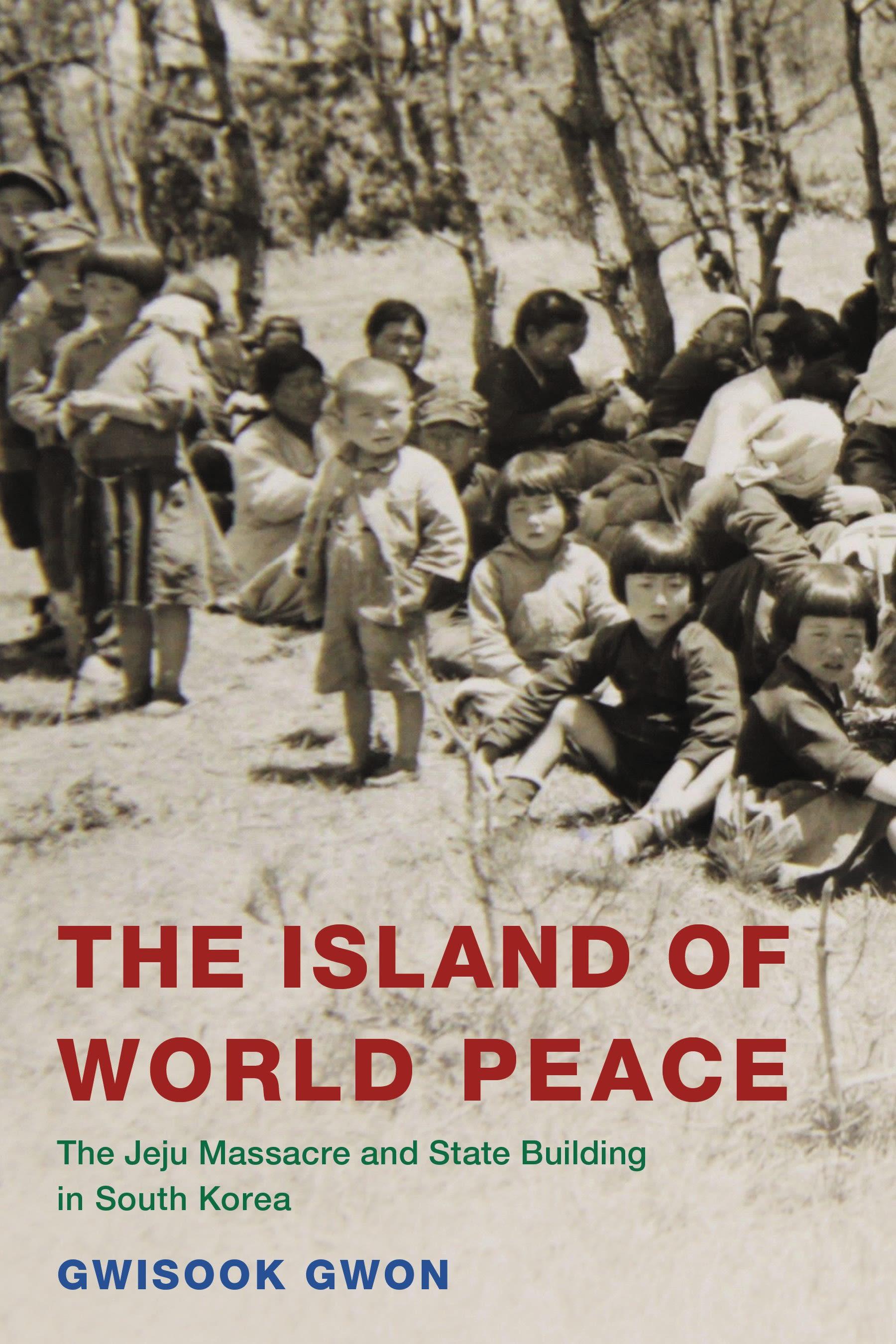
This book explores the history of the Jeju massacre (1947-1954), the deadest recognized civilian massacre in modern South Korean history, through the lens of state building in South Korea. Jeju-based sociologist Gwisook Gwon examines the massacre on Jeju Island in relation to the birth of anti-communist South Korea in the early Cold War, while also focusing on the reintegration of Jeju Islanders into the state through the history of Jeju soldiers in the Korean War (1950-1953) and the history of Jeju women in the economic recovery and modernization between the 1950s and the 1970s. The study of these post-massacre legacies is novel to South Korean history. The book also discusses the on-going reconciliation of the 4.3 historical conflicts and the transformation of Jeju into an “Island of World Peace.” This fresh and original study offers an empirical example of state-building processes at the local level in South Korea from the origin of the state to its democratization. In doing so, it contributes to several fields, including, the Korean War, state violence, conflict resolution studies, gender studies, and Asian and Korean studies.
Zahle einfach mit Karte, Klarna, Apple Pay oder Google Pay. Nicht zufrieden? Du hast immer ein 14-tägiges Widerrufsrecht. Lies mehr in unseren AGB. Hast du Fragen, schreib uns eine E-Mail an hello@memmo.org.
Memmo macht das Lernen einfacher – wo auch immer du bist. Bei uns findest du deine Kursbücher und smarte Lerntools an einem Ort: Zusammenfassungen, Quizzes, Podcasts und Lernkarten. Und Ted, dein Lernbuddy, beantwortet alles, was du wissen möchtest. Über 50.000 Studierende lernen bereits hier – gemacht, damit du schneller lernst und weniger Stress hast.