
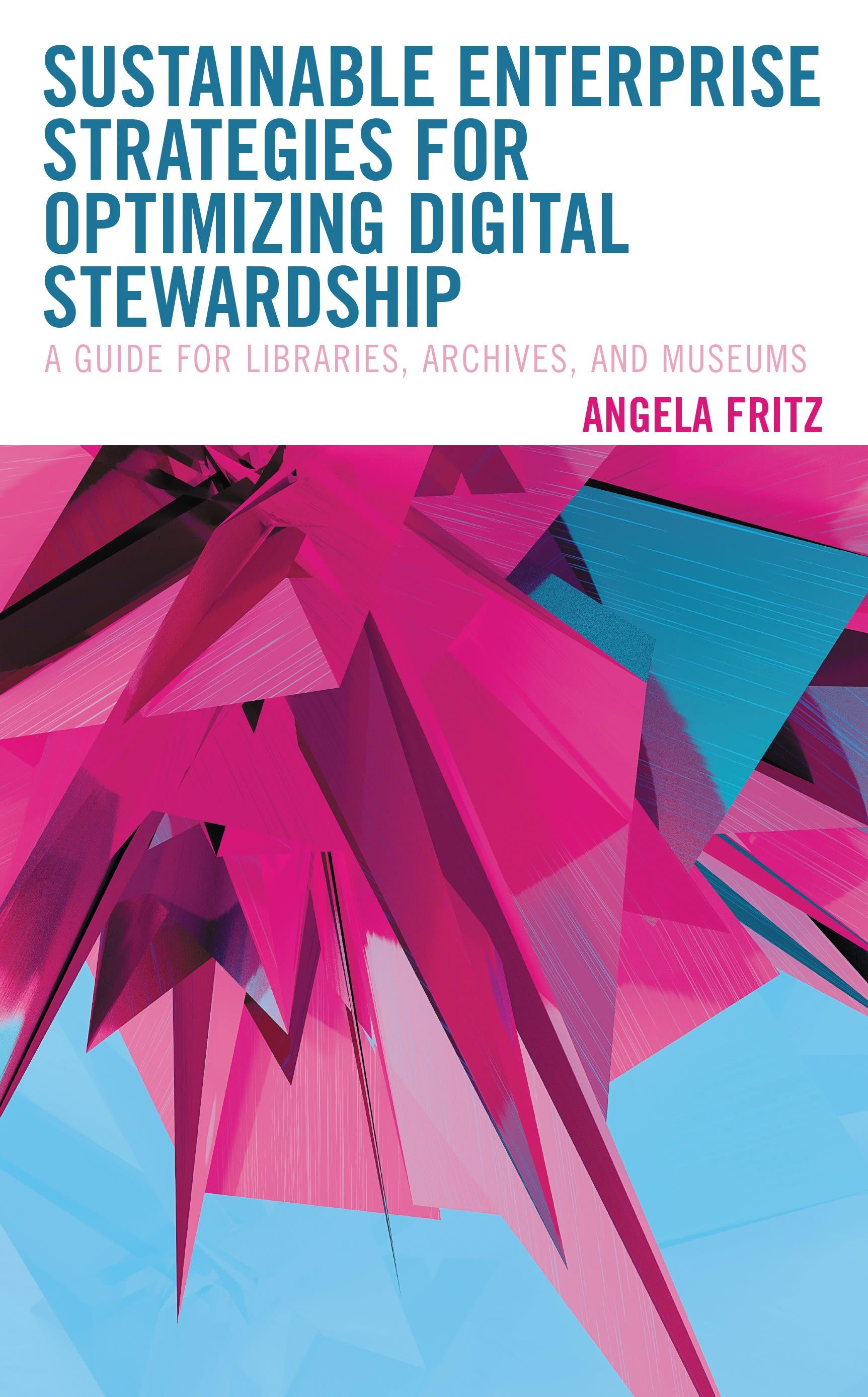
For most academic libraries, archives and museums, digital content management is increasingly occurring on a holistic enterprise level. As most institutions contemplate an enterprise digital content strategy for a growing number of digitized surrogates and born-digital assets, libraries, archives, and museums understand that these expanding needs can only be met by more flexible approaches offered by a multicomponent digital asset management ecosystem (DAME).
Increasingly, librarians, archivists, and curators are managing an integrated digital ecosystem by coordinating and complementing a number of existing and emerging initiatives. This guide provides a high-level overview and offers a conceptual framework for understanding a digital asset management ecosystem with discussions on digital collection typologies and assessment, planning and prioritization, the importance of a community of practice through associated workflows, and an understanding of the critical role that foresight planning plays in balancing an evolving infrastructure and expanding digital content with creative cost modeling and sustainability strategies.
Borrowing from the principles of data curation, integrative collection building requires an understanding of the library’s “digital ecosystem” of licensed content, digitized material, and born-digital content in order to ensure strategic growth of institutional collections in the context of long-term holistic collection management plans.
Key elements discussed in this book include:
the importance of digital collection assessment, analysis, and prioritization,the realignment of accession and appraisal methodologies for efficient digital content acquisition,the need to think holistically relating to tool selection and infrastructure development to ensure interoperability, scalability, and sustainability of a universe of digital assets,the creation of cross-functional workflows in accordance with policies and plans,the importance of advocating for growing resources needed for managing, descriptive, administrative, technical, rights and preservation metadata across the institution, andthe significance of distributed digital preservation models with a growing array of associated options for cloud storage.
Increasingly, librarians, archivists, and curators are managing an integrated digital ecosystem by coordinating and complementing a number of existing and emerging initiatives. This guide provides a high-level overview and offers a conceptual framework for understanding a digital asset management ecosystem with discussions on digital collection typologies and assessment, planning and prioritization, the importance of a community of practice through associated workflows, and an understanding of the critical role that foresight planning plays in balancing an evolving infrastructure and expanding digital content with creative cost modeling and sustainability strategies.
Borrowing from the principles of data curation, integrative collection building requires an understanding of the library’s “digital ecosystem” of licensed content, digitized material, and born-digital content in order to ensure strategic growth of institutional collections in the context of long-term holistic collection management plans.
Key elements discussed in this book include:
the importance of digital collection assessment, analysis, and prioritization,the realignment of accession and appraisal methodologies for efficient digital content acquisition,the need to think holistically relating to tool selection and infrastructure development to ensure interoperability, scalability, and sustainability of a universe of digital assets,the creation of cross-functional workflows in accordance with policies and plans,the importance of advocating for growing resources needed for managing, descriptive, administrative, technical, rights and preservation metadata across the institution, andthe significance of distributed digital preservation models with a growing array of associated options for cloud storage.
Zahle einfach mit Karte, Klarna, Apple Pay oder Google Pay. Nicht zufrieden? Du hast immer ein 14-tägiges Widerrufsrecht. Lies mehr in unseren AGB. Hast du Fragen, schreib uns eine E-Mail an hello@memmo.org.
Memmo macht das Lernen einfacher – wo auch immer du bist. Bei uns findest du deine Kursbücher und smarte Lerntools an einem Ort: Zusammenfassungen, Quizzes, Podcasts und Lernkarten. Und Ted, dein Lernbuddy, beantwortet alles, was du wissen möchtest. Über 50.000 Studierende lernen bereits hier – gemacht, damit du schneller lernst und weniger Stress hast.