
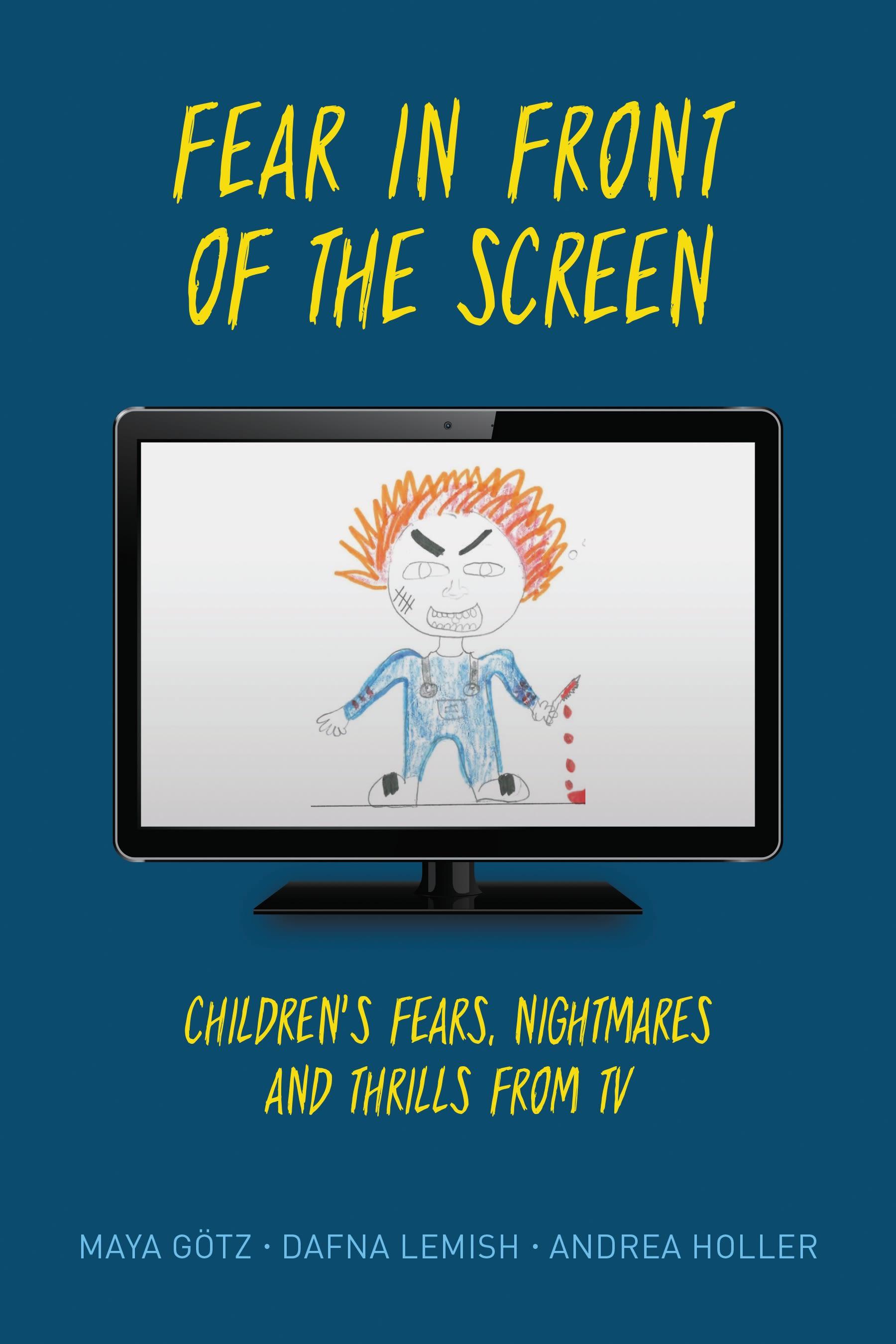
Experiencing fear in front of the screen is a common phenomenon in childhood, and a focus of public concern. Yet, research has encountered ethical and methodological challenges and has focused largely on the effects of watching disturbing news. In this innovative book, this universal experience is investigated in depth via two complementary studies:
1) a retrospective study of experiences related by 626 undergraduate students from eight countries; and 2) a study of the current nightmares induced by watching television of 510 children in five countries.
The results presented in this book highlight the most common elements of fear in front of the screen more generally, followed by a focused analysis of the unique features of fear that characterize different developmental stages: pre-school, middle childhood, pre-teens and teenagers. The rich descriptions distinguish between the negative experiences of fear versus the positive experiences of thrill, and explores gender and cultural differences. Finally, the book offers implications for media producers and policy makers as well as for parents and educators.
1) a retrospective study of experiences related by 626 undergraduate students from eight countries; and 2) a study of the current nightmares induced by watching television of 510 children in five countries.
The results presented in this book highlight the most common elements of fear in front of the screen more generally, followed by a focused analysis of the unique features of fear that characterize different developmental stages: pre-school, middle childhood, pre-teens and teenagers. The rich descriptions distinguish between the negative experiences of fear versus the positive experiences of thrill, and explores gender and cultural differences. Finally, the book offers implications for media producers and policy makers as well as for parents and educators.
Zahle einfach mit Karte, Klarna, Apple Pay oder Google Pay. Nicht zufrieden? Du hast immer ein 14-tägiges Widerrufsrecht. Lies mehr in unseren AGB. Hast du Fragen, schreib uns eine E-Mail an hello@memmo.org.
Memmo macht das Lernen einfacher – wo auch immer du bist. Bei uns findest du deine Kursbücher und smarte Lerntools an einem Ort: Zusammenfassungen, Quizzes, Podcasts und Lernkarten. Und Ted, dein Lernbuddy, beantwortet alles, was du wissen möchtest. Über 50.000 Studierende lernen bereits hier – gemacht, damit du schneller lernst und weniger Stress hast.