
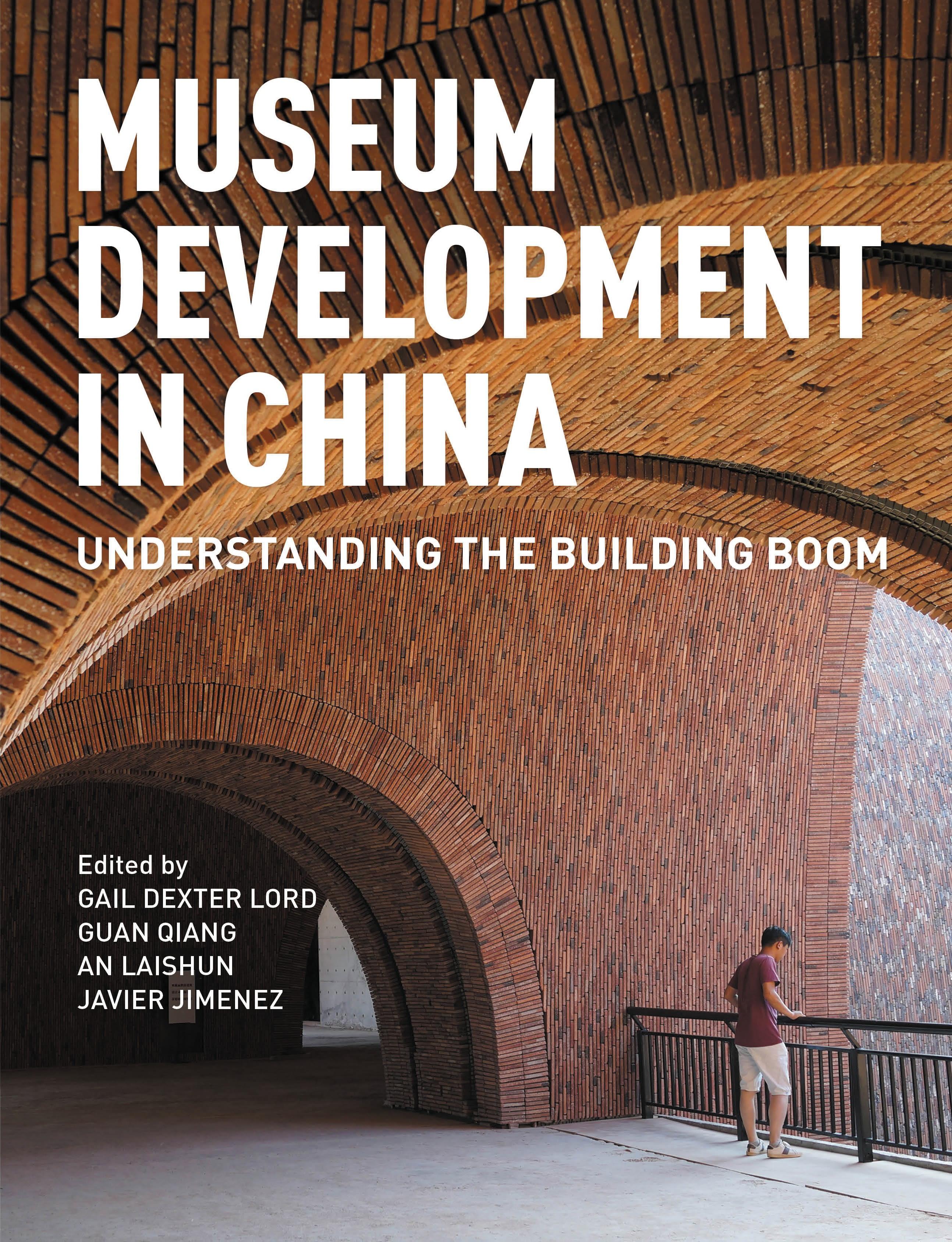
The growth of the number and scale of Chinese museums in the 21st century, from about 1,400 at the turn of the century to over 5,000 to date, reflects the government’s Museum Development Plan for 2011-2020 to open one museum per 250,000 inhabitants, with the goal of attracting one billion visitors at the end of the decade. It is not just the numbers but the speed of development of Chinese museums that takes our breath away—with nearly one new museum per day being opened or expanded in this huge country.
What are the motivations for the rapid development of museums in China? How is the public responding? Who pays for these museums and how? What has been the impact of china’s urbanization? How do Chinese museums balance education, scientific research, social cohesion, cultural diplomacy and tourism both internal and external? These are issues that continue to be discussed and debated among western museum professionals in the context of our 200-year history of modern museology. How are these debates evolving in China, which has its own history of museology over that same period from colonialism to communism and from isolation to opening up to the world?
This book explores these issues while introducing English-language readers to a sample of the new Chinese museums in case studies and photographs. To accomplish this goal, Lord Cultural Associates partnered with the Chinese Museums Association who engaged leading Chinese museologists, museum directors, academics and architects to provide chapters and case studies on the history of museums in China, on evolving national museum policies, museum exhibitions and cultural diplomacy, the role of private museums, and the impact of museums on society.
The four sections of this book build our knowledge of the roles of China’s museums through social and political changes, the systems of governance, the complex relationships between private and public sectors and many levels of government. Section One places the current building boom in context. Section Two addresses how China’s rapid urbanization has fueled the museum building boom, framed it, formed it and in some cases financed it. Section Three analyzes how Chinese exhibitions are tools for cultural diplomacy and key elements of soft power The six case studies in Section Four provide perspectives on the diversity of innovative approaches in the sector.
Museum Development in China --- a beautiful, full-color book --- is the product of an international collaboration to discover how much East and West can learn from each other about museum roles, our publics, how we preserve, what we conserve, and our future sustainability—even as we marvel at the accomplishments of China’s museum building boom.
What are the motivations for the rapid development of museums in China? How is the public responding? Who pays for these museums and how? What has been the impact of china’s urbanization? How do Chinese museums balance education, scientific research, social cohesion, cultural diplomacy and tourism both internal and external? These are issues that continue to be discussed and debated among western museum professionals in the context of our 200-year history of modern museology. How are these debates evolving in China, which has its own history of museology over that same period from colonialism to communism and from isolation to opening up to the world?
This book explores these issues while introducing English-language readers to a sample of the new Chinese museums in case studies and photographs. To accomplish this goal, Lord Cultural Associates partnered with the Chinese Museums Association who engaged leading Chinese museologists, museum directors, academics and architects to provide chapters and case studies on the history of museums in China, on evolving national museum policies, museum exhibitions and cultural diplomacy, the role of private museums, and the impact of museums on society.
The four sections of this book build our knowledge of the roles of China’s museums through social and political changes, the systems of governance, the complex relationships between private and public sectors and many levels of government. Section One places the current building boom in context. Section Two addresses how China’s rapid urbanization has fueled the museum building boom, framed it, formed it and in some cases financed it. Section Three analyzes how Chinese exhibitions are tools for cultural diplomacy and key elements of soft power The six case studies in Section Four provide perspectives on the diversity of innovative approaches in the sector.
Museum Development in China --- a beautiful, full-color book --- is the product of an international collaboration to discover how much East and West can learn from each other about museum roles, our publics, how we preserve, what we conserve, and our future sustainability—even as we marvel at the accomplishments of China’s museum building boom.
Seiten: 160
Kategorie: Konst, Design & Fotografi
e-ISBN: 9781538109984
Versandgewicht: 1.2 kg
Versand in: 1-2 Tage
Zahle einfach mit Karte, Klarna, Apple Pay oder Google Pay. Nicht zufrieden? Du hast immer ein 14-tägiges Widerrufsrecht. Lies mehr in unseren AGB. Hast du Fragen, schreib uns eine E-Mail an hello@memmo.org.
Memmo macht das Lernen einfacher – wo auch immer du bist. Bei uns findest du deine Kursbücher und smarte Lerntools an einem Ort: Zusammenfassungen, Quizzes, Podcasts und Lernkarten. Und Ted, dein Lernbuddy, beantwortet alles, was du wissen möchtest. Über 50.000 Studierende lernen bereits hier – gemacht, damit du schneller lernst und weniger Stress hast.