
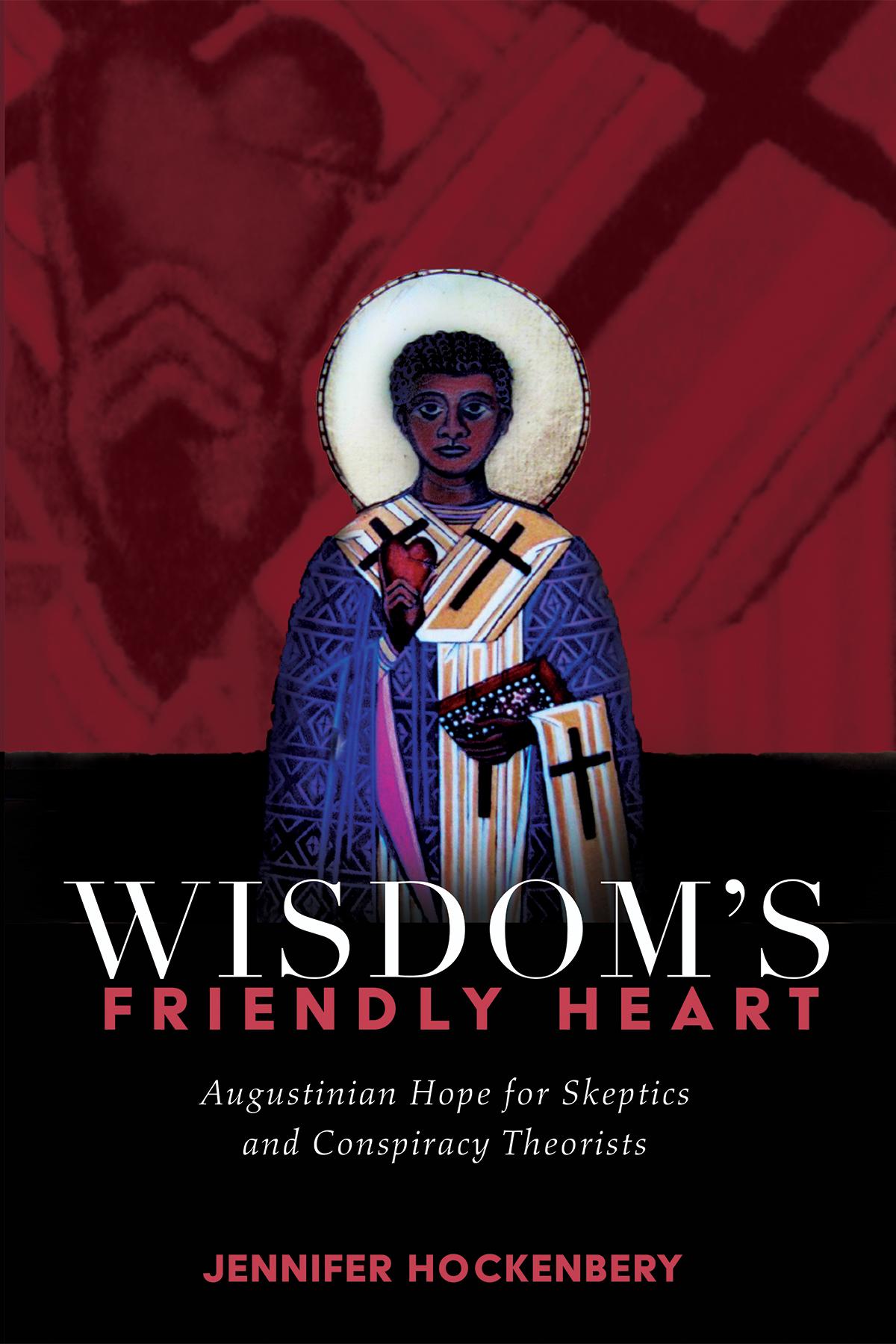
Sixteen-hundred years ago, Augustine begged his African congregants to think rationally, pay attention to evidence, and listen to their neighbors. He knew this would not be easy. He knew that human error is more common than human knowledge. He himself had been a member of an elitist cult for nearly ten years and then had spent several years as a skeptic resigned to seeking wealth and honors rather than hoping for truth or goodness. He would not be surprised by the rise of white supremacist cults or the nihilistic apathy that have arisen in the "post truth" era. He had seen nativism, elitism, fear, and doubt rise in response to a crisis of hope that truth could be found, a crisis that led to the use of physical force rather than educated disputation, a crisis that ended in the fall of both Rome and Carthage to Vandals and Visigoths.
Augustine's response was to preach publically the hope that encouraged him in his own personal quest for a happy life. This book examines that hope in Augustine's context until the current moment.
Zahle einfach mit Karte, Klarna, Apple Pay oder Google Pay. Nicht zufrieden? Du hast immer ein 14-tägiges Widerrufsrecht. Lies mehr in unseren AGB. Hast du Fragen, schreib uns eine E-Mail an hello@memmo.org.
Memmo macht das Lernen einfacher – wo auch immer du bist. Bei uns findest du deine Kursbücher und smarte Lerntools an einem Ort: Zusammenfassungen, Quizzes, Podcasts und Lernkarten. Und Ted, dein Lernbuddy, beantwortet alles, was du wissen möchtest. Über 50.000 Studierende lernen bereits hier – gemacht, damit du schneller lernst und weniger Stress hast.
Das könnte dir auch gefallen
Buch kaufen0