
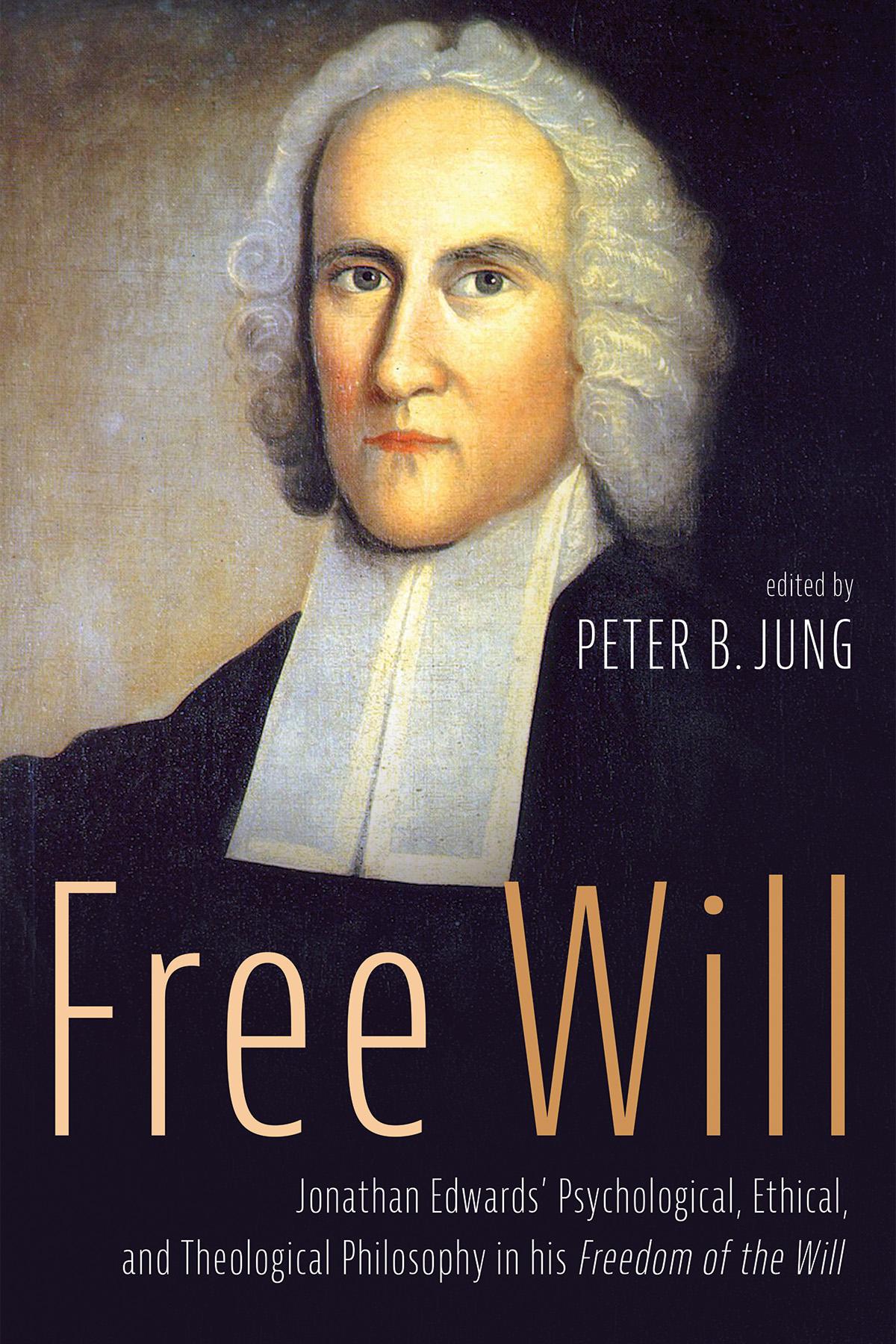
Free Will, also known as Freedom of the Will, is appraised as the one of the greatest works ever produced in America. The mid-eighteenth-century New England philosophical theologian Jonathan Edwards (1703-58) defines the will by importing terms from John Locke. Edwards states the Arminian nature of free will, suspects the need for such free will, and finally defends Calvinist free will and objects to the Arminian one.
In his argument, he chooses three British antagonists: Daniel Whitby, Thomas Chubb, and Isaac Watts. These antagonists insist that the self-determining will is necessary for us to be morally accountable. Edwards disputes their objections that God's determination is contradictory to the liberty of the human will. He then goes to argue what kind of freedom of the will is necessary for the former and latter to be compatible. Edwards's psychological, moral, and theological philosophy is displayed. In addition, readers can learn how our will chooses something pleasant by following the dictate of understanding, while the author demonstrates the natures of New England Arminianism and Calvinism.
Zahle einfach mit Karte, Klarna, Apple Pay oder Google Pay. Nicht zufrieden? Du hast immer ein 14-tägiges Widerrufsrecht. Lies mehr in unseren AGB. Hast du Fragen, schreib uns eine E-Mail an hello@memmo.org.
Memmo macht das Lernen einfacher – wo auch immer du bist. Bei uns findest du deine Kursbücher und smarte Lerntools an einem Ort: Zusammenfassungen, Quizzes, Podcasts und Lernkarten. Und Ted, dein Lernbuddy, beantwortet alles, was du wissen möchtest. Über 50.000 Studierende lernen bereits hier – gemacht, damit du schneller lernst und weniger Stress hast.
Das könnte dir auch gefallen
Buch kaufen0