
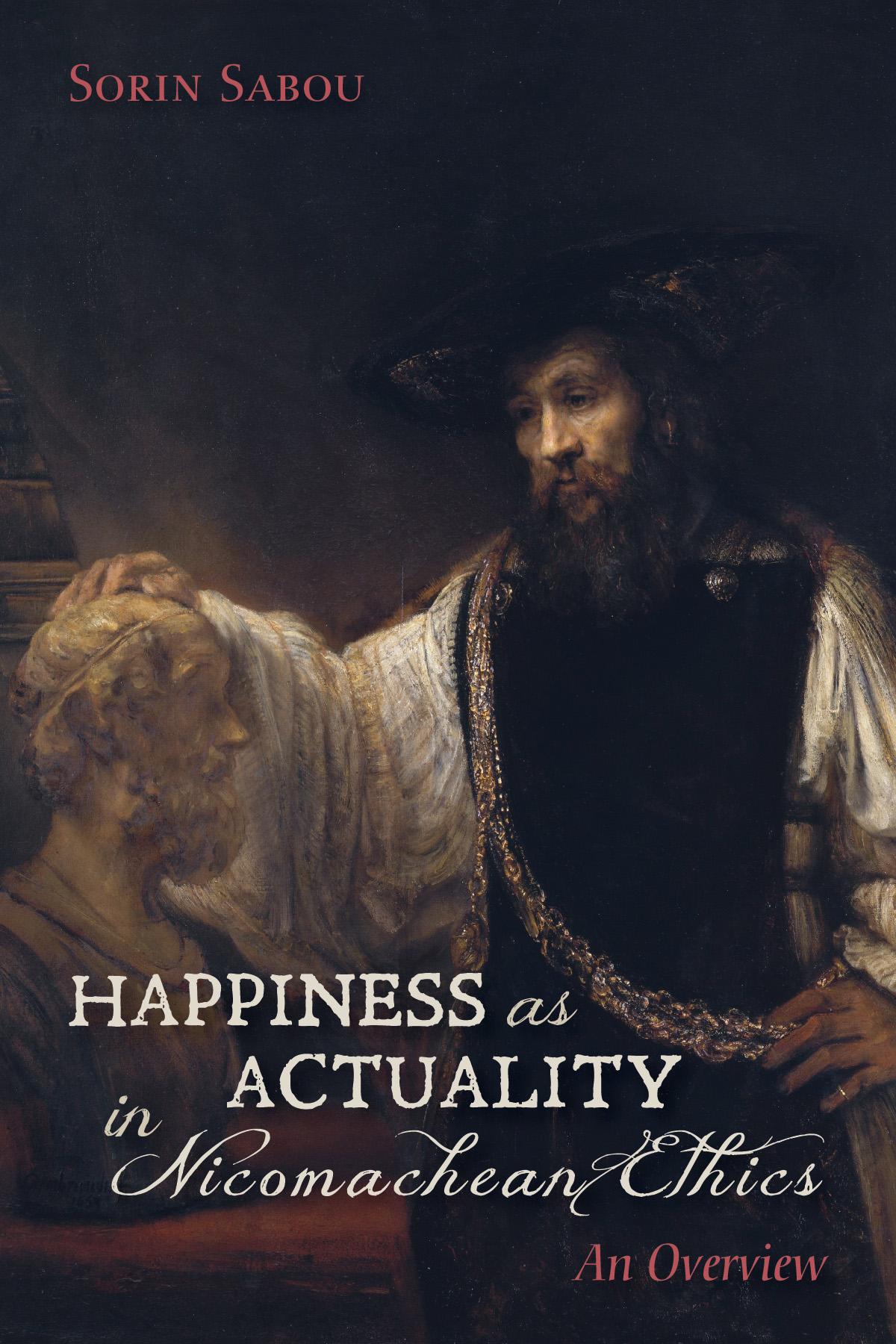
This is a study about the meaning of happiness (εὐδαιμονία) in Aristotle's Nicomachean Ethics (EN). It is argued that εὐδαιμονία in EN means actuality, and it has to be interpreted through the lenses of two metaphors used by Aristotle in EN 1.7 1098a21 and 10.6 1176a30: the "perimeter of good" and the "imprint of happiness." To explain the meaning of happiness Aristotle first has to delineate the "perimeter of good" of human beings, and he does that with the help of two criteria: the final end [τέλος] and the function of humanity [ἔργον ἀνθρώπου]. These two criteria are metaphysical concepts which describe the "good" as the final metaphysical aim of every person, and the best every person can be. This metaphysical teleological aim is the "actuality of the soul" according with excellence. This is the "perimeter" within which Aristotle enquires about εὐδαιμονία--the good of humans.
Zahle einfach mit Karte, Klarna, Apple Pay oder Google Pay. Nicht zufrieden? Du hast immer ein 14-tägiges Widerrufsrecht. Lies mehr in unseren AGB. Hast du Fragen, schreib uns eine E-Mail an hello@memmo.org.
Memmo macht das Lernen einfacher – wo auch immer du bist. Bei uns findest du deine Kursbücher und smarte Lerntools an einem Ort: Zusammenfassungen, Quizzes, Podcasts und Lernkarten. Und Ted, dein Lernbuddy, beantwortet alles, was du wissen möchtest. Über 50.000 Studierende lernen bereits hier – gemacht, damit du schneller lernst und weniger Stress hast.
Das könnte dir auch gefallen
Buch kaufen0