
Nominated for the Ludwik Fleck Prize - awarded annually to an exemplary book in Science and Technology Studies that contributes to the global STS community
Nominated for the Robert K. Merton Book Award - this is awarded annually in recognition of an outstanding book on science, knowledge, and/or technology.
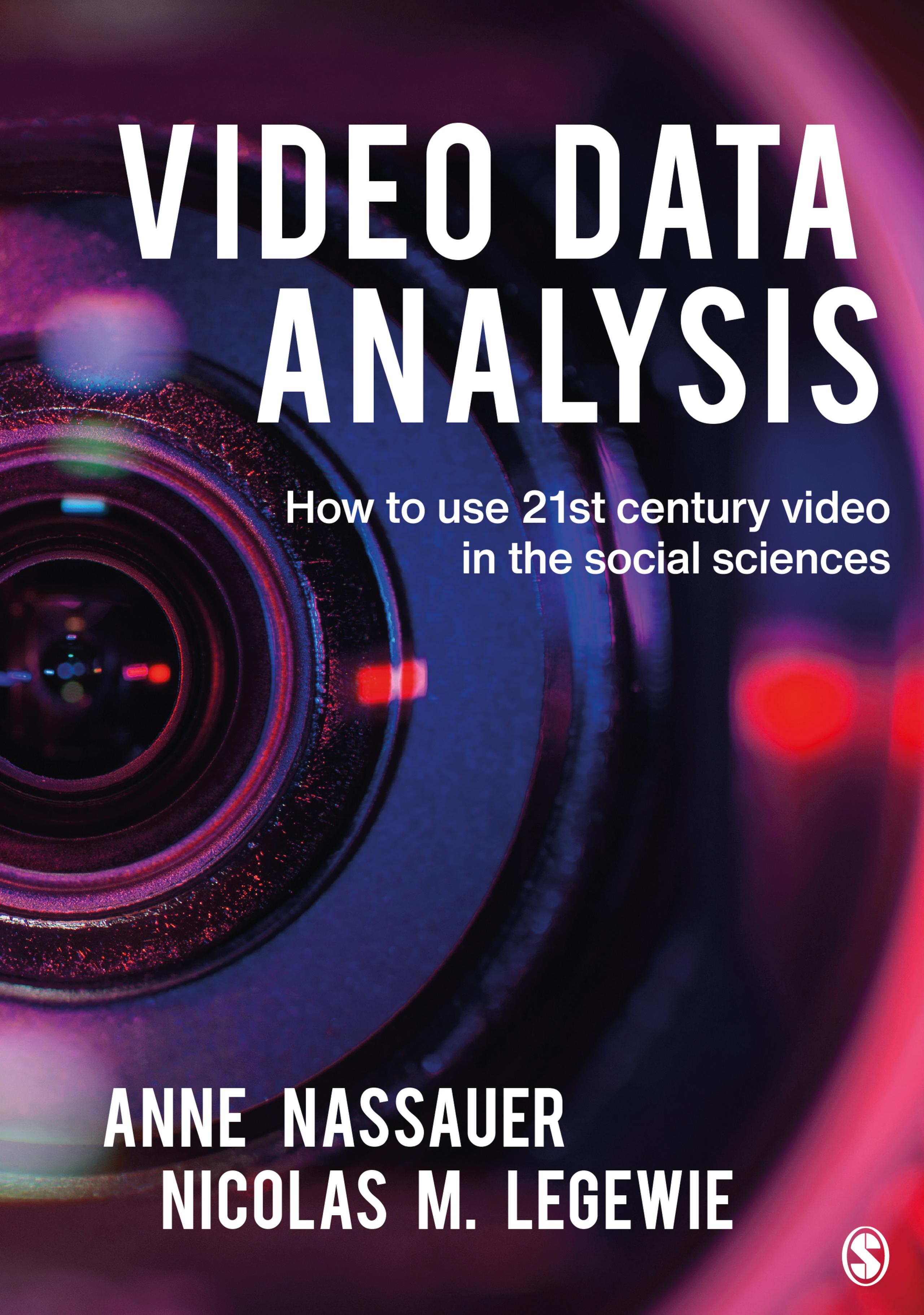
Video data is transforming the possibilities of social science research. Whether through mobile phone footage, body-worn cameras or public video surveillance, we have access to an ever-expanding pool of data on real-life situations and interactions.
This book provides a flexible framework for working with video data and understanding what it says about social life. With examples from a range of real video research projects, the book showcases step-by-step how to analyse any kind of data, including both found and generated videos. It also includes a non-technical discussion of computer vision and its opportunities for social science research.
With this book you will be able to:
· Complete each step of the research process fully and efficiently, from data collection to management, analysis, and interpretation
· Use video data in an ethical and effective way to maximise its impact
· Utilise contemporary technology and accessible platforms such as YouTube, Twitter, Tik Tok and Facebook.
This book is an ideal toolkit for researchers or postgraduate students across the social sciences working with video data as a part of their research projects. Accessible and practical, is written for qualitative and quantitative researchers, newcomers and experienced scholars.
Features include interactive activities for different skill levels and ‘what to read next’ sections to help you engage further with the research mentioned in the book.
Nominated for the Robert K. Merton Book Award - this is awarded annually in recognition of an outstanding book on science, knowledge, and/or technology.
Video data is transforming the possibilities of social science research. Whether through mobile phone footage, body-worn cameras or public video surveillance, we have access to an ever-expanding pool of data on real-life situations and interactions.
This book provides a flexible framework for working with video data and understanding what it says about social life. With examples from a range of real video research projects, the book showcases step-by-step how to analyse any kind of data, including both found and generated videos. It also includes a non-technical discussion of computer vision and its opportunities for social science research.
With this book you will be able to:
· Complete each step of the research process fully and efficiently, from data collection to management, analysis, and interpretation
· Use video data in an ethical and effective way to maximise its impact
· Utilise contemporary technology and accessible platforms such as YouTube, Twitter, Tik Tok and Facebook.
This book is an ideal toolkit for researchers or postgraduate students across the social sciences working with video data as a part of their research projects. Accessible and practical, is written for qualitative and quantitative researchers, newcomers and experienced scholars.
Features include interactive activities for different skill levels and ‘what to read next’ sections to help you engage further with the research mentioned in the book.
Zahle einfach mit Karte, Klarna, Apple Pay oder Google Pay. Nicht zufrieden? Du hast immer ein 14-tägiges Widerrufsrecht. Lies mehr in unseren AGB. Hast du Fragen, schreib uns eine E-Mail an hello@memmo.org.
Memmo macht das Lernen einfacher – wo auch immer du bist. Bei uns findest du deine Kursbücher und smarte Lerntools an einem Ort: Zusammenfassungen, Quizzes, Podcasts und Lernkarten. Und Ted, dein Lernbuddy, beantwortet alles, was du wissen möchtest. Über 50.000 Studierende lernen bereits hier – gemacht, damit du schneller lernst und weniger Stress hast.