
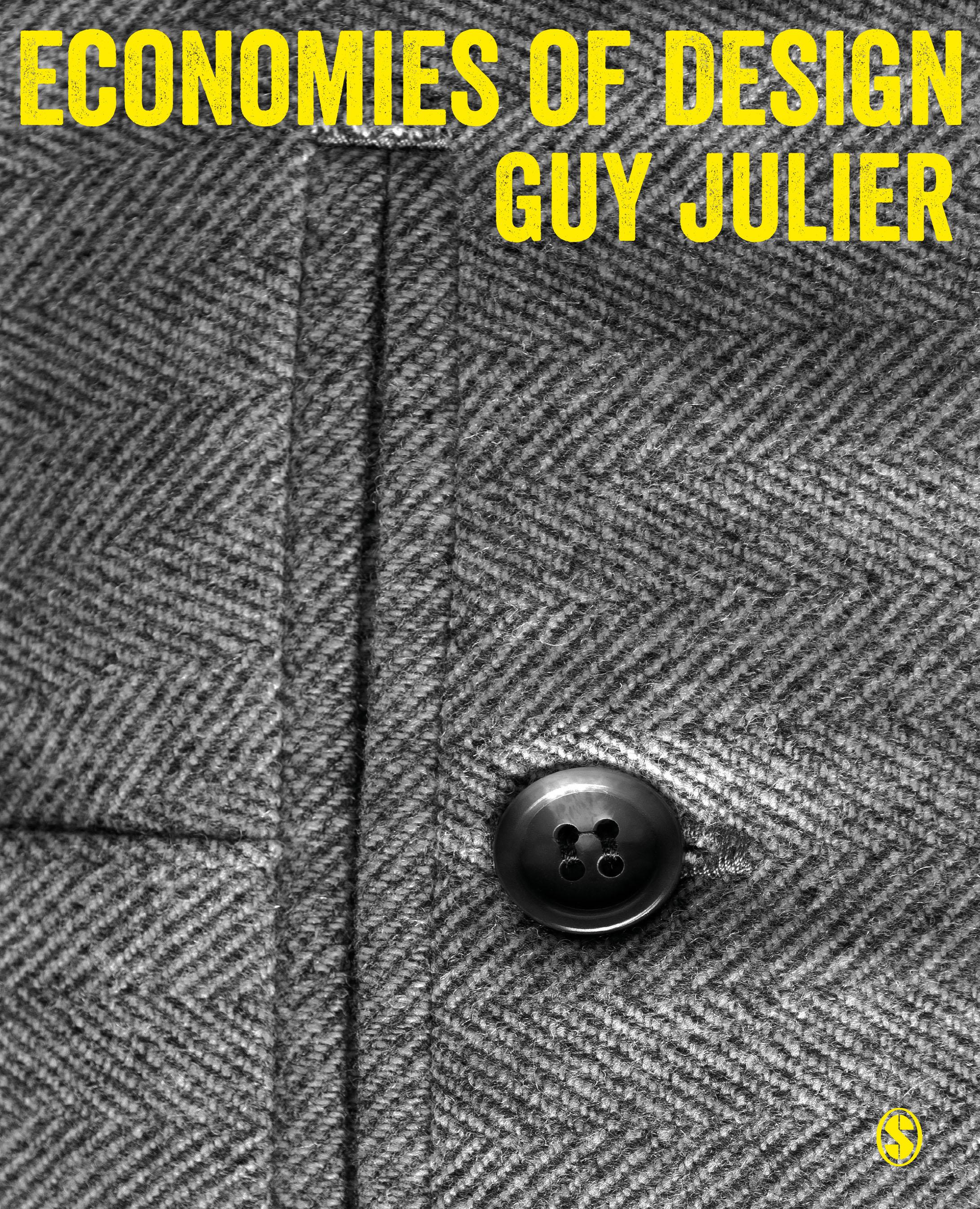
How are the rise of design and neoliberalism connected? How does design change the way we operate as economic beings? What is the economic significance of design?
Historically, design has been promoted for its for its capacity to add value to products and services. In contemporary capitalism, however, it assumes a more central and more complex role. Design today is both influenced by, and actively shapes, our economic systems.
This ground-breaking book shines a spotlight on how design has become embedded in political economies. It reveals the multiple ways in which design has emerged as a vital feature of neoliberal economic systems, from urban strategies to commercial processes to government policy-making. Drawing on a range of global examples, Guy Julier:
- explains the economic processes of design
- explores the relationship between design and intellectual property
- discusses the role of design in the public sector
- highlights the impact of design in informal and alternative economies
- brings theory to life with case studies on home improvements, fast fashion, shopping centres and more.
Economies of Design provides a thought-provoking new way of understanding and talking about the meanings of design in contemporary capitalism. It is an essential companion for students of design and the creative industries across the arts, humanities and social sciences.
Zahle einfach mit Karte, Klarna, Apple Pay oder Google Pay. Nicht zufrieden? Du hast immer ein 14-tägiges Widerrufsrecht. Lies mehr in unseren AGB. Hast du Fragen, schreib uns eine E-Mail an hello@memmo.org.
Memmo macht das Lernen einfacher – wo auch immer du bist. Bei uns findest du deine Kursbücher und smarte Lerntools an einem Ort: Zusammenfassungen, Quizzes, Podcasts und Lernkarten. Und Ted, dein Lernbuddy, beantwortet alles, was du wissen möchtest. Über 50.000 Studierende lernen bereits hier – gemacht, damit du schneller lernst und weniger Stress hast.