
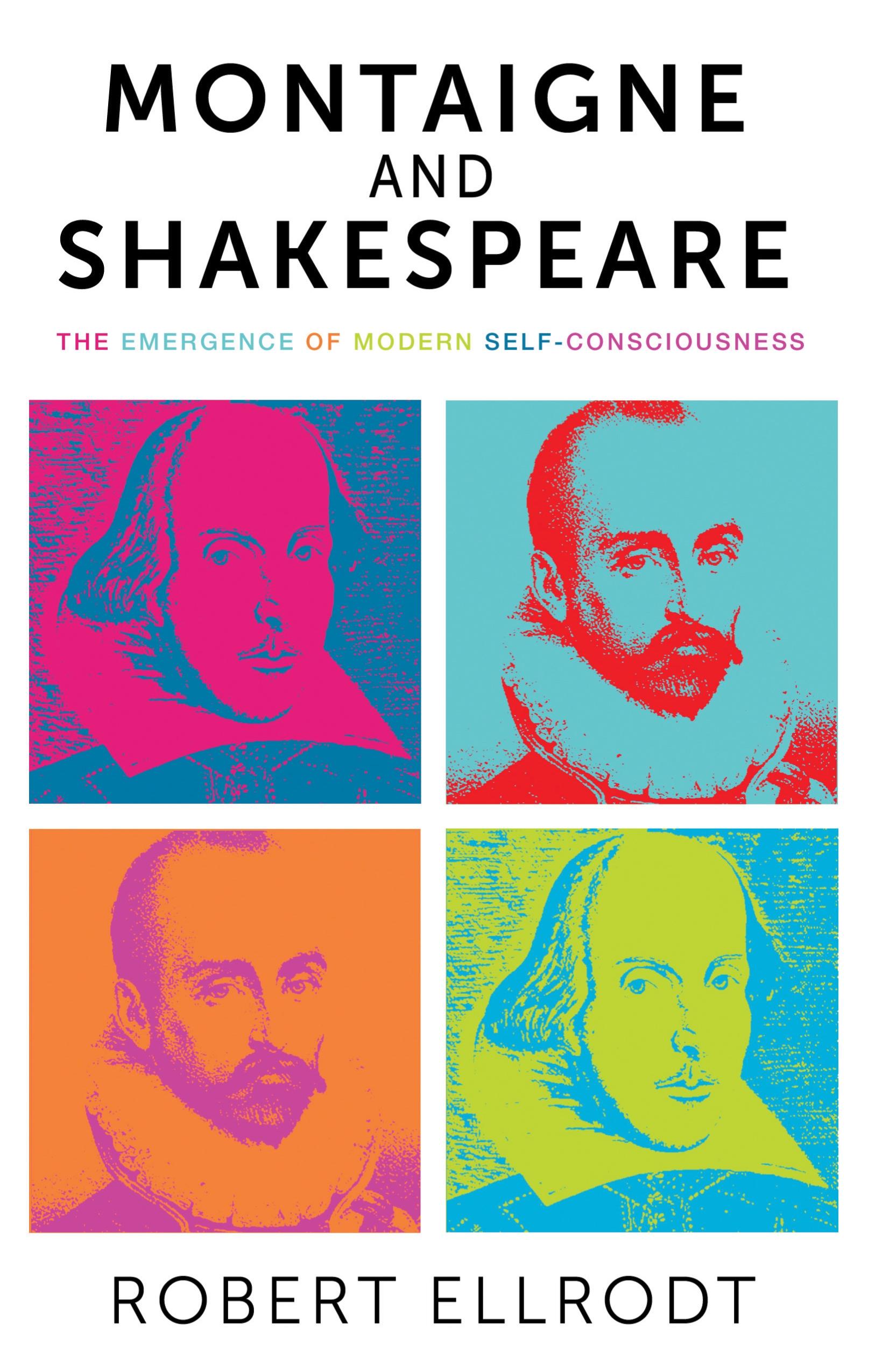
This book is not merely a study of Shakespeare’s debt to Montaigne. It traces the evolution of self-consciousness in literary, philosophical and religious writings from antiquity to the Renaissance and demonstrates that its early modern forms first appeared in the Essays and in Shakespearean drama. It shows, however, that, contrary to some postmodern assumptions, the early calling in question of the self did not lead to a negation of identity. Montaigne acknowledged the fairly stable nature of his personality and Shakespeare, as Dryden noted, maintained 'the constant conformity of each character to itself from its very first setting out in the Play quite to the End'.
A similar evolution is traced in the progress from an objective to a subjective apprehension of time from Greek philosophy to early modern authors. A final chapter shows that the influence of scepticism on Montaigne and Shakespeare was counterbalanced by their reliance on permanent humanistic values.
Zahle einfach mit Karte, Klarna, Apple Pay oder Google Pay. Nicht zufrieden? Du hast immer ein 14-tägiges Widerrufsrecht. Lies mehr in unseren AGB. Hast du Fragen, schreib uns eine E-Mail an hello@memmo.org.
Memmo macht das Lernen einfacher – wo auch immer du bist. Bei uns findest du deine Kursbücher und smarte Lerntools an einem Ort: Zusammenfassungen, Quizzes, Podcasts und Lernkarten. Und Ted, dein Lernbuddy, beantwortet alles, was du wissen möchtest. Über 50.000 Studierende lernen bereits hier – gemacht, damit du schneller lernst und weniger Stress hast.