
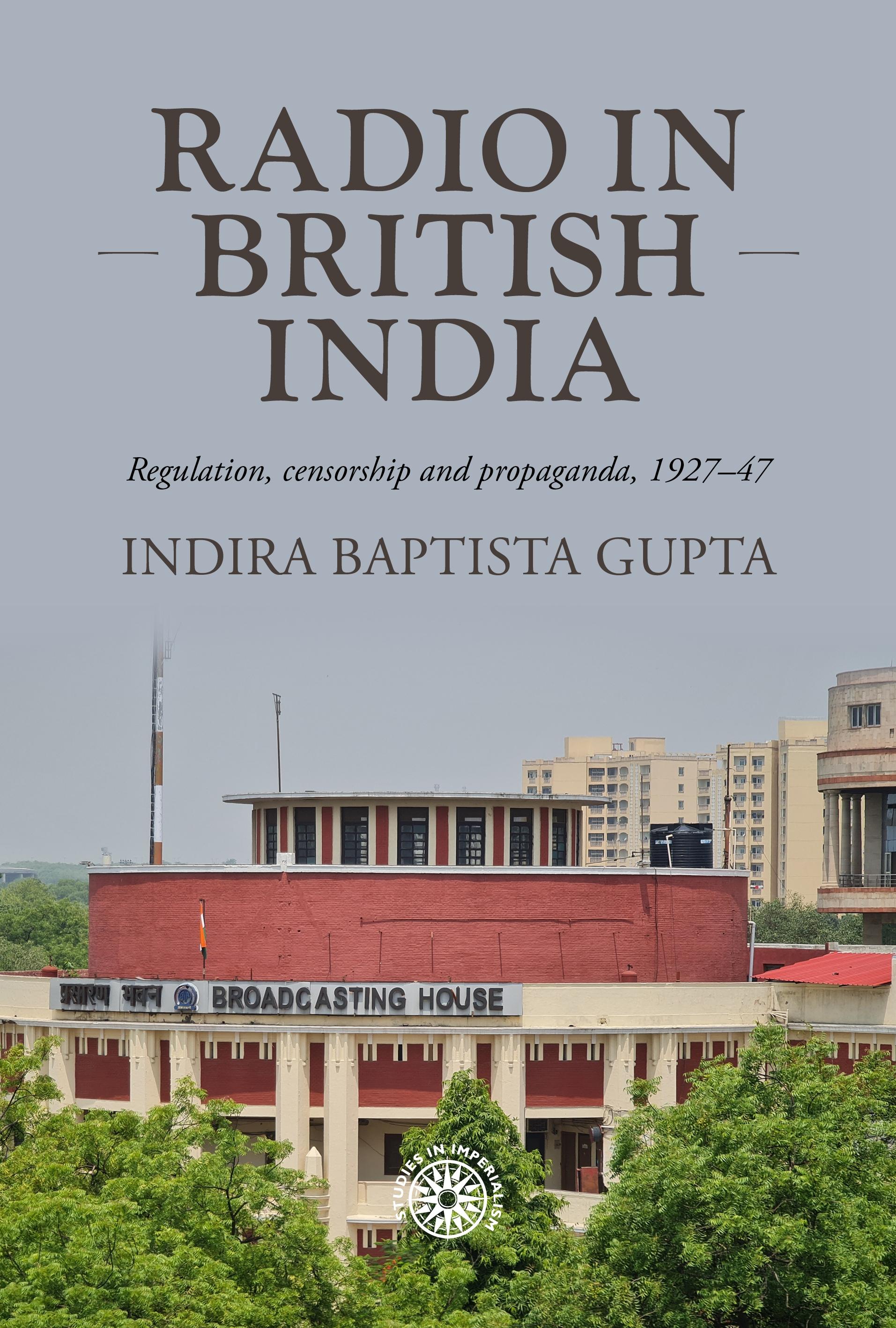
This book will argue that the British installed and controlled Indian radio, using it as a tool to prop up the colonial regime. Concessions made to Indian cultural styles, social aspirations or fluctuating needs of listeners had to fit foremostly into the colonial schema. Strikingly, the main edifice of Indian radio was modelled on the authoritarian Soviet pattern, both the semi-autonomous British and commercial American systems were rejected. The monograph is a thematic analysis of three activities relating to broadcasting in the last two decades of British rule. These relate to rules framed for regulating radio, implementing censorship and its use for publicity/propaganda. The progression of official policy relating to radio’s spoken word, especially news programmes, form the kernel of this enquiry. Contrastingly, other programmes, including music, comprising over 90 per cent of air time did not concern colonial officials and were allowed to develop on their own.
Along with political factors at play, the social, cultural, technological and commercial pressures of a medium evolving in colonial settings are probed. In the politically charged atmosphere of pre-Independent India, programmes were centralised at Delhi and political matter was prohibited. Thus, radio was kept aloof from the currents of Indian nationalism and the national movement, but was an important vehicle for colonialism and imperialism.
Zahle einfach mit Karte, Klarna, Apple Pay oder Google Pay. Nicht zufrieden? Du hast immer ein 14-tägiges Widerrufsrecht. Lies mehr in unseren AGB. Hast du Fragen, schreib uns eine E-Mail an hello@memmo.org.
Memmo macht das Lernen einfacher – wo auch immer du bist. Bei uns findest du deine Kursbücher und smarte Lerntools an einem Ort: Zusammenfassungen, Quizzes, Podcasts und Lernkarten. Und Ted, dein Lernbuddy, beantwortet alles, was du wissen möchtest. Über 50.000 Studierende lernen bereits hier – gemacht, damit du schneller lernst und weniger Stress hast.