
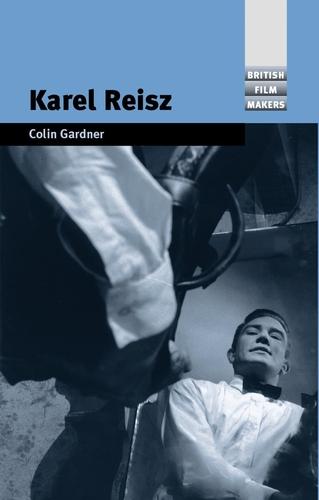
Czech-born refugee Karel Reisz (1926-2002) is widely regarded as one of the seminal figures in post-war British cinema. Along with Lindsay Anderson and Tony Richardson, Reisz was a founder member of the independent Free Cinema ‘movement’ which attacked the parochial middle-class values of home-grown studio product with a vigorous commitment to everyday working-class subject matter and a poetically-charged film style. This was immediately recognisable in the aesthetic of the international success of Reisz’s first feature, Saturday Night and Sunday Morning (1960).
As the import of Free Cinema rapidly dissipated during the ‘Swinging London’ era, Reisz confronted the changing cultural mores of the 1960s and ‘70s with a series of ambivalent films that critique the anarchic free spirit of the times, including Morgan (1966), Isadora (1968), The Gambler (1974) and Dog Soldiers (1978).
Drawing on Reisz’s early film criticism for Sequence and Sight and Sound, as well as interdisciplinary methodologies, this first career-length study explores Reisz’s personal brand of character-based realism, offering the spectator a privileged insight into an artist’s developing response to subjective and historical dislocation. The book should thus prove invaluable to film scholars, cultural historians and the Reisz aficionado.
Zahle einfach mit Karte, Klarna, Apple Pay oder Google Pay. Nicht zufrieden? Du hast immer ein 14-tägiges Widerrufsrecht. Lies mehr in unseren AGB. Hast du Fragen, schreib uns eine E-Mail an hello@memmo.org.
Memmo macht das Lernen einfacher – wo auch immer du bist. Bei uns findest du deine Kursbücher und smarte Lerntools an einem Ort: Zusammenfassungen, Quizzes, Podcasts und Lernkarten. Und Ted, dein Lernbuddy, beantwortet alles, was du wissen möchtest. Über 50.000 Studierende lernen bereits hier – gemacht, damit du schneller lernst und weniger Stress hast.