
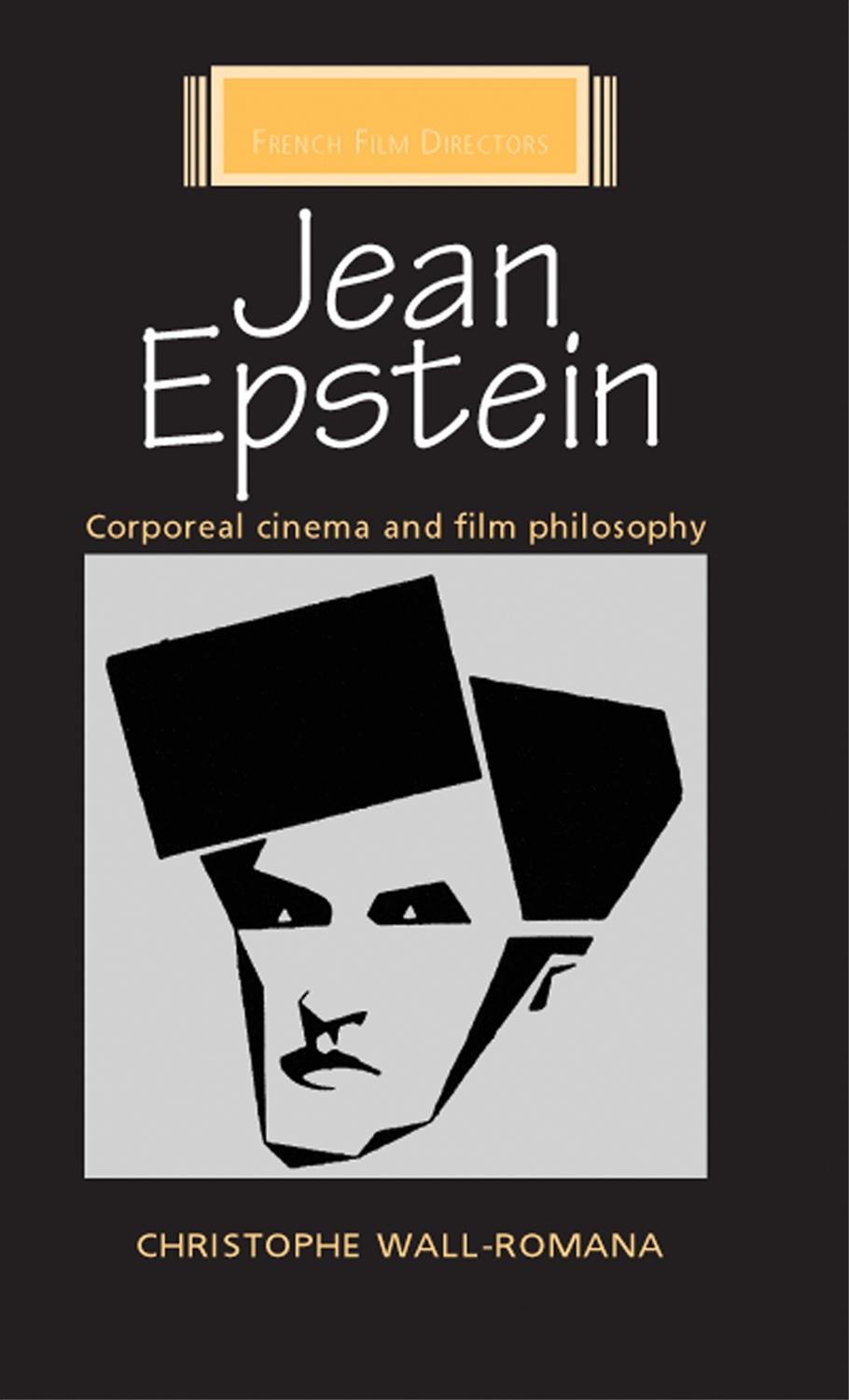
If cinema can be approached as poetry and philosophy, it is because of Jean Epstein. Cocteau, Buñuel (who was his assistant), Hitchcock, Pasolini and Godard, and theoreticians Kracauer, Deleuze and Rancière are directly influenced by Epstein’s pioneering film work, writings, and concepts. This book is the first in English to examine his oeuvre comprehensively.
An avant-garde artist and an anti-elitist intellectual, Epstein wanted to craft moments of pure transformative cinema. Using familiar genres – melodramas and documentaries – he hoped to heal viewers of all classes and hasten social utopia. A lover of cinema as cognitive and sensorial technology, and a poet of the screen, he pushed cinematography – as photogénie – towards the experimental sublime, through daring close-ups, rhythmic montage, slow motion, even reverse motion.
Polish-born, half-Jewish, and the author of a treatise on homosexuality, Epstein has been unfairly relegated to the shadows of film history. This book restores him to the limelight of interwar world cinema, on a par with Renoir, Lang, Capra and Eisenstein.
Zahle einfach mit Karte, Klarna, Apple Pay oder Google Pay. Nicht zufrieden? Du hast immer ein 14-tägiges Widerrufsrecht. Lies mehr in unseren AGB. Hast du Fragen, schreib uns eine E-Mail an hello@memmo.org.
Memmo macht das Lernen einfacher – wo auch immer du bist. Bei uns findest du deine Kursbücher und smarte Lerntools an einem Ort: Zusammenfassungen, Quizzes, Podcasts und Lernkarten. Und Ted, dein Lernbuddy, beantwortet alles, was du wissen möchtest. Über 50.000 Studierende lernen bereits hier – gemacht, damit du schneller lernst und weniger Stress hast.