
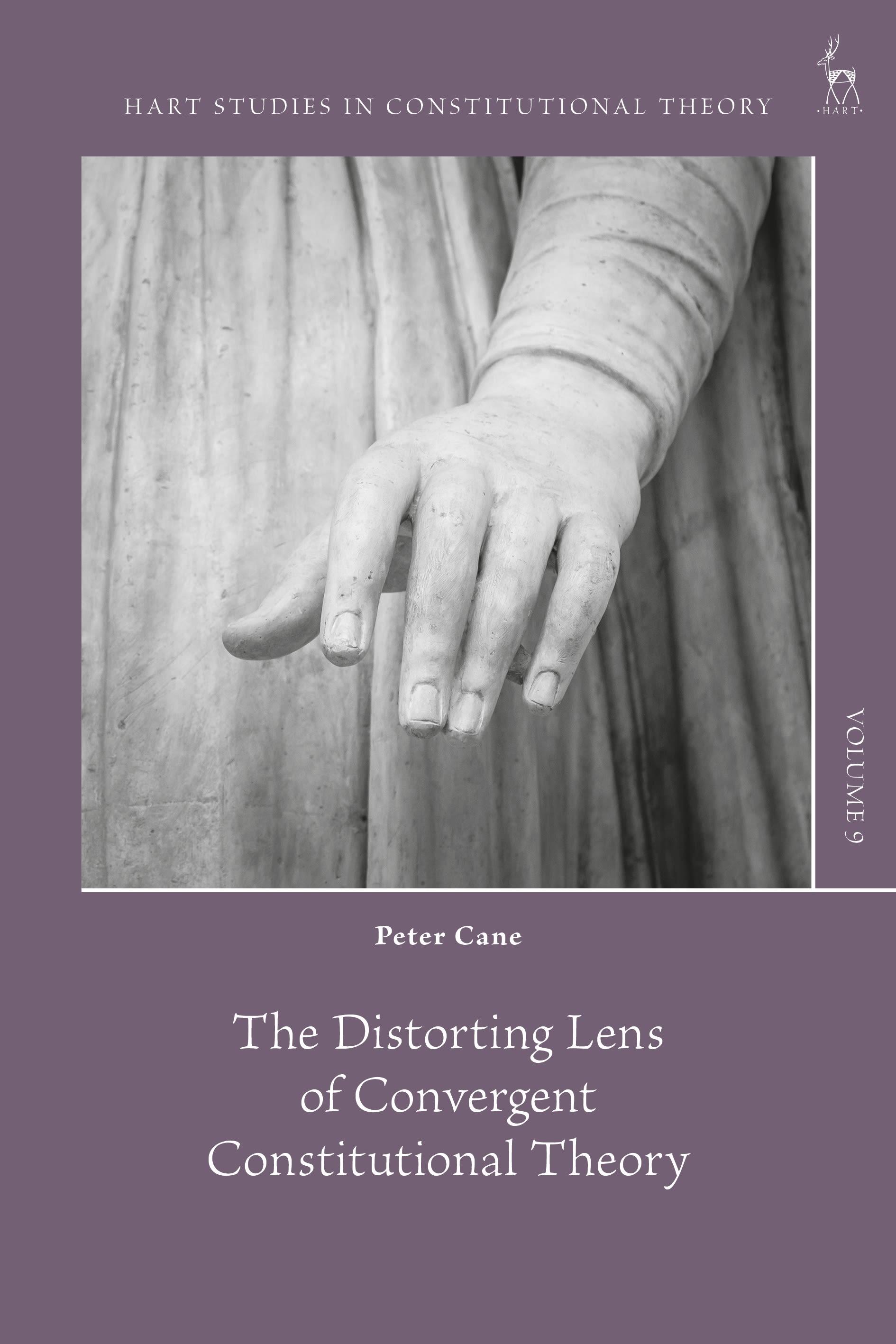
This book challenges the near-universal acceptance of a US-style, Western constitutional paradigm as the best basis for comparative constitutional studies.
It does so on three main grounds: anachronism, 'othering' and cultural specificity. Main pillars of 'convergent constitutional theory' are rooted in the revolutionary, late-eighteenth century – a lost world; constitutional arrangements that deviate from the paradigm are often branded as 'outliers' or even as not constitutional at all; and the foundations of the paradigm in liberal democracy give no space for other forms of constitutionalism. Whatever the attractions of convergent theory as a normative ideal of good government, for the purposes of understanding, analysing and explaining constitutional systems it is far from ideal.
This book discusses and questions: convergent theory's weddedness to writing as the technology of constitution-making; its image of a constitution as fundamental law; its idea that a constitution expresses the 'sovereignty of the people'; its use of tripartite separation of powers as the basic principle of institutional design; its relative neglect of administrative law; its association of 'rights' with judicially enforceable bills of rights; and its obsession with a vaguely specified concept of 'democracy'.
It makes suggestions for alternative, preferable methods of understanding, analysing and explaining constitutions, and governmental and constitutional systems.
It does so on three main grounds: anachronism, 'othering' and cultural specificity. Main pillars of 'convergent constitutional theory' are rooted in the revolutionary, late-eighteenth century – a lost world; constitutional arrangements that deviate from the paradigm are often branded as 'outliers' or even as not constitutional at all; and the foundations of the paradigm in liberal democracy give no space for other forms of constitutionalism. Whatever the attractions of convergent theory as a normative ideal of good government, for the purposes of understanding, analysing and explaining constitutional systems it is far from ideal.
This book discusses and questions: convergent theory's weddedness to writing as the technology of constitution-making; its image of a constitution as fundamental law; its idea that a constitution expresses the 'sovereignty of the people'; its use of tripartite separation of powers as the basic principle of institutional design; its relative neglect of administrative law; its association of 'rights' with judicially enforceable bills of rights; and its obsession with a vaguely specified concept of 'democracy'.
It makes suggestions for alternative, preferable methods of understanding, analysing and explaining constitutions, and governmental and constitutional systems.
Zahle einfach mit Karte, Klarna, Apple Pay oder Google Pay. Nicht zufrieden? Du hast immer ein 14-tägiges Widerrufsrecht. Lies mehr in unseren AGB. Hast du Fragen, schreib uns eine E-Mail an hello@memmo.org.
Memmo macht das Lernen einfacher – wo auch immer du bist. Bei uns findest du deine Kursbücher und smarte Lerntools an einem Ort: Zusammenfassungen, Quizzes, Podcasts und Lernkarten. Und Ted, dein Lernbuddy, beantwortet alles, was du wissen möchtest. Über 50.000 Studierende lernen bereits hier – gemacht, damit du schneller lernst und weniger Stress hast.