
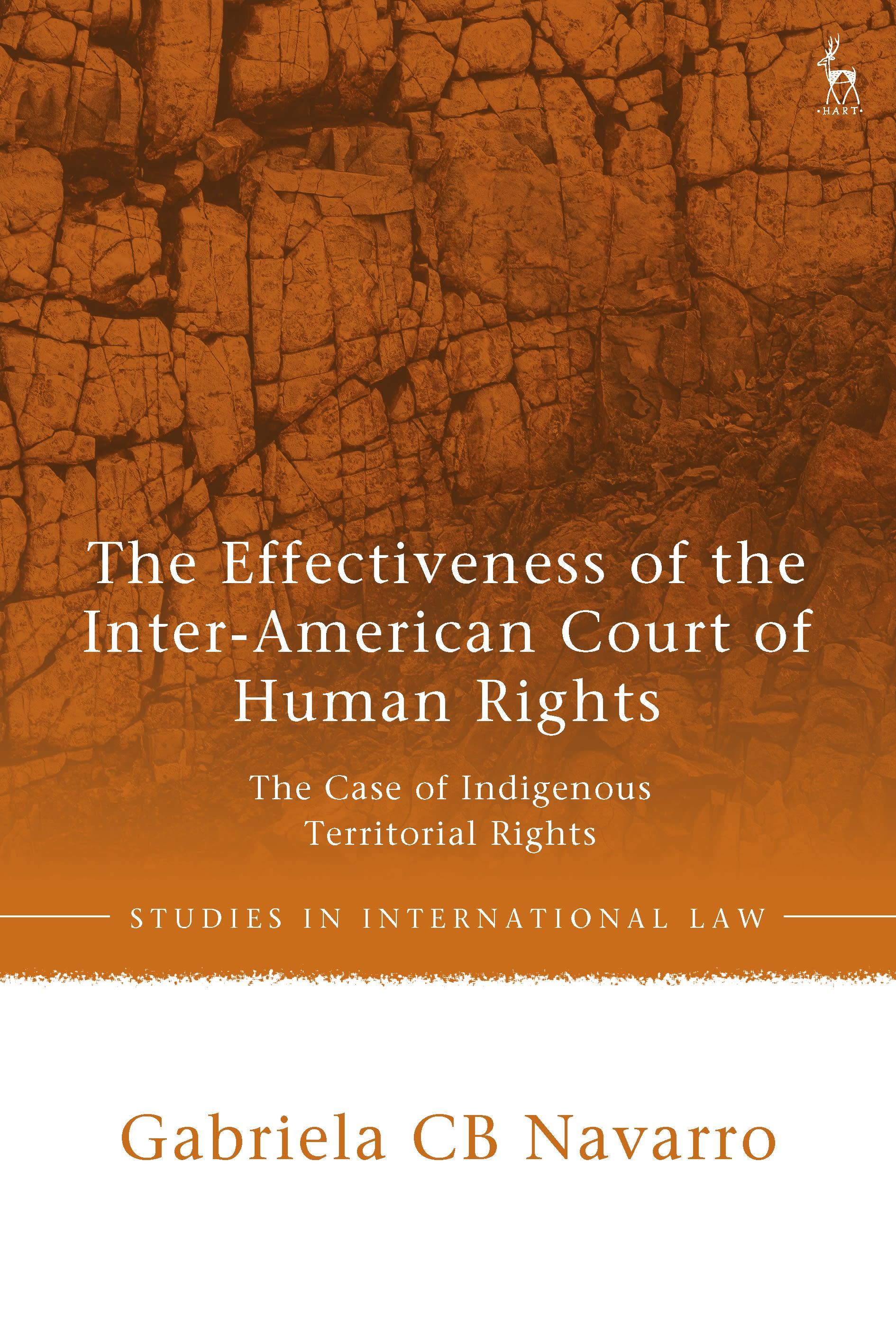
The Inter-American Court of Human Rights has the most developed jurisprudence on indigenous rights, yet this case law is understudied. This book addresses this gap by exploring the Court and its cases from both the perspective of international law and the legal protection of indigenous territories.
Setting out the network of actors and institutions involved in such litigation, it examines the motivations and constraints in domestic politics affecting international orders (and by extension the impact of the Court). It provides both an important statement on the effectiveness of international tribunals and a fascinating insight into the evolution of indigenous rights.
Setting out the network of actors and institutions involved in such litigation, it examines the motivations and constraints in domestic politics affecting international orders (and by extension the impact of the Court). It provides both an important statement on the effectiveness of international tribunals and a fascinating insight into the evolution of indigenous rights.
Zahle einfach mit Karte, Klarna, Apple Pay oder Google Pay. Nicht zufrieden? Du hast immer ein 14-tägiges Widerrufsrecht. Lies mehr in unseren AGB. Hast du Fragen, schreib uns eine E-Mail an hello@memmo.org.
Memmo macht das Lernen einfacher – wo auch immer du bist. Bei uns findest du deine Kursbücher und smarte Lerntools an einem Ort: Zusammenfassungen, Quizzes, Podcasts und Lernkarten. Und Ted, dein Lernbuddy, beantwortet alles, was du wissen möchtest. Über 50.000 Studierende lernen bereits hier – gemacht, damit du schneller lernst und weniger Stress hast.