
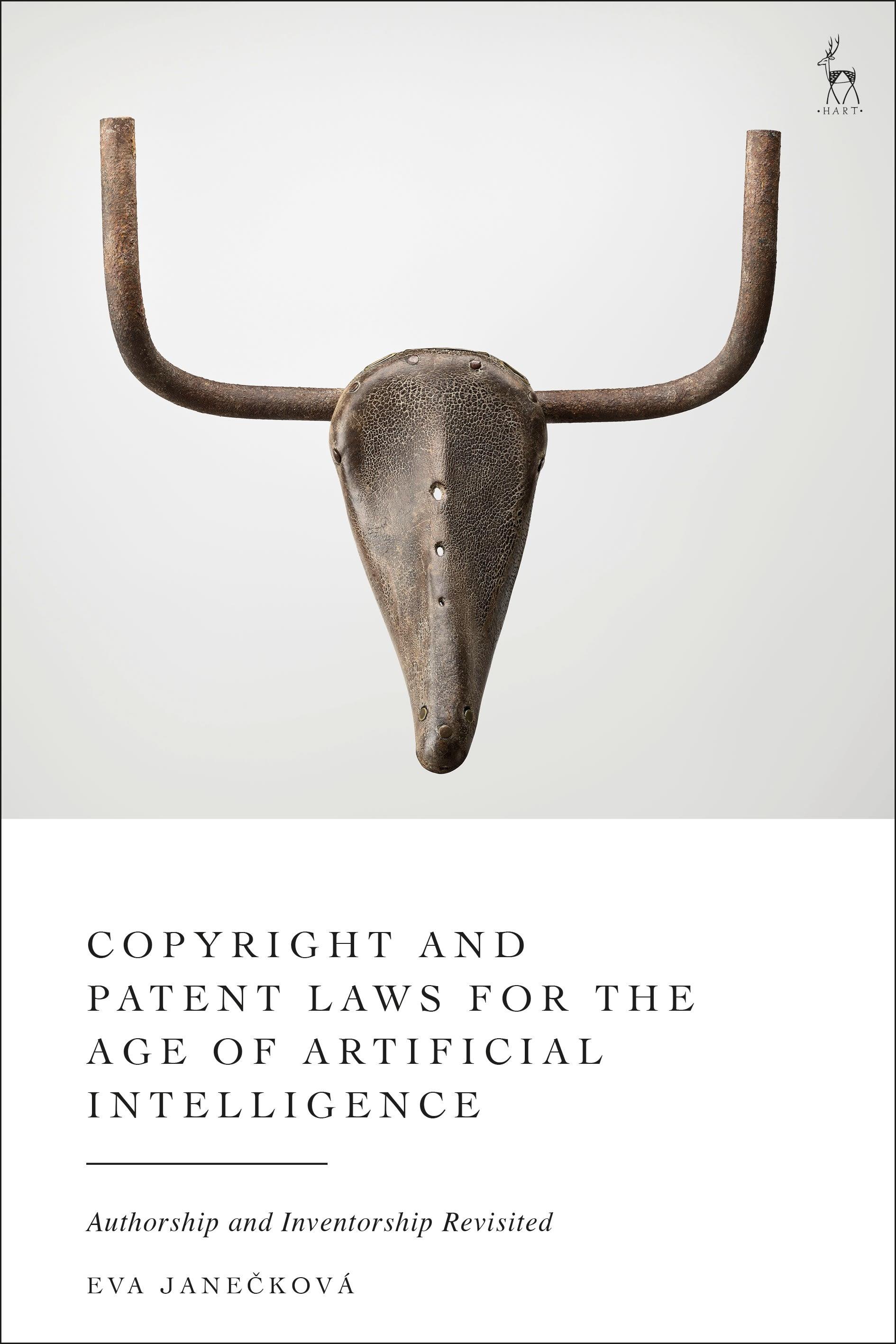
Runner-up of the 2026 SLS Peter Birks Prize for Outstanding Legal Scholarship
This book responds to the need to distinguish human creations from those produced by AI.
It does so by tracing human attributes of authorship and inventorship in statutory requirements for protection and ownership in European copyright and patent laws.
Its main contribution lies in exposing shortcomings in how the laws are applied in the UK, Germany, and France. It shows that the human origin of creations is traditionally inferred from their expressive form or technical character. Given the advancements in AI, such inferences are no longer legitimate. What is more, these shortcomings may eventually lead to granting copyright or patent protection where none is lawfully permitted or sufficiently justified. To remedy the situation, this book offers doctrinal and conceptual amendments and proposes law reforms to implement them.
This book guides authorities, practitioners, and students through the main arguments of the debate concerning copyright and patents for objects entirely or partly generated by AI. It also makes original contributions to advance the ongoing academic and policy debates on AI and intellectual property law.
This book responds to the need to distinguish human creations from those produced by AI.
It does so by tracing human attributes of authorship and inventorship in statutory requirements for protection and ownership in European copyright and patent laws.
Its main contribution lies in exposing shortcomings in how the laws are applied in the UK, Germany, and France. It shows that the human origin of creations is traditionally inferred from their expressive form or technical character. Given the advancements in AI, such inferences are no longer legitimate. What is more, these shortcomings may eventually lead to granting copyright or patent protection where none is lawfully permitted or sufficiently justified. To remedy the situation, this book offers doctrinal and conceptual amendments and proposes law reforms to implement them.
This book guides authorities, practitioners, and students through the main arguments of the debate concerning copyright and patents for objects entirely or partly generated by AI. It also makes original contributions to advance the ongoing academic and policy debates on AI and intellectual property law.
Zahle einfach mit Karte, Klarna, Apple Pay oder Google Pay. Nicht zufrieden? Du hast immer ein 14-tägiges Widerrufsrecht. Lies mehr in unseren AGB. Hast du Fragen, schreib uns eine E-Mail an hello@memmo.org.
Memmo macht das Lernen einfacher – wo auch immer du bist. Bei uns findest du deine Kursbücher und smarte Lerntools an einem Ort: Zusammenfassungen, Quizzes, Podcasts und Lernkarten. Und Ted, dein Lernbuddy, beantwortet alles, was du wissen möchtest. Über 50.000 Studierende lernen bereits hier – gemacht, damit du schneller lernst und weniger Stress hast.