
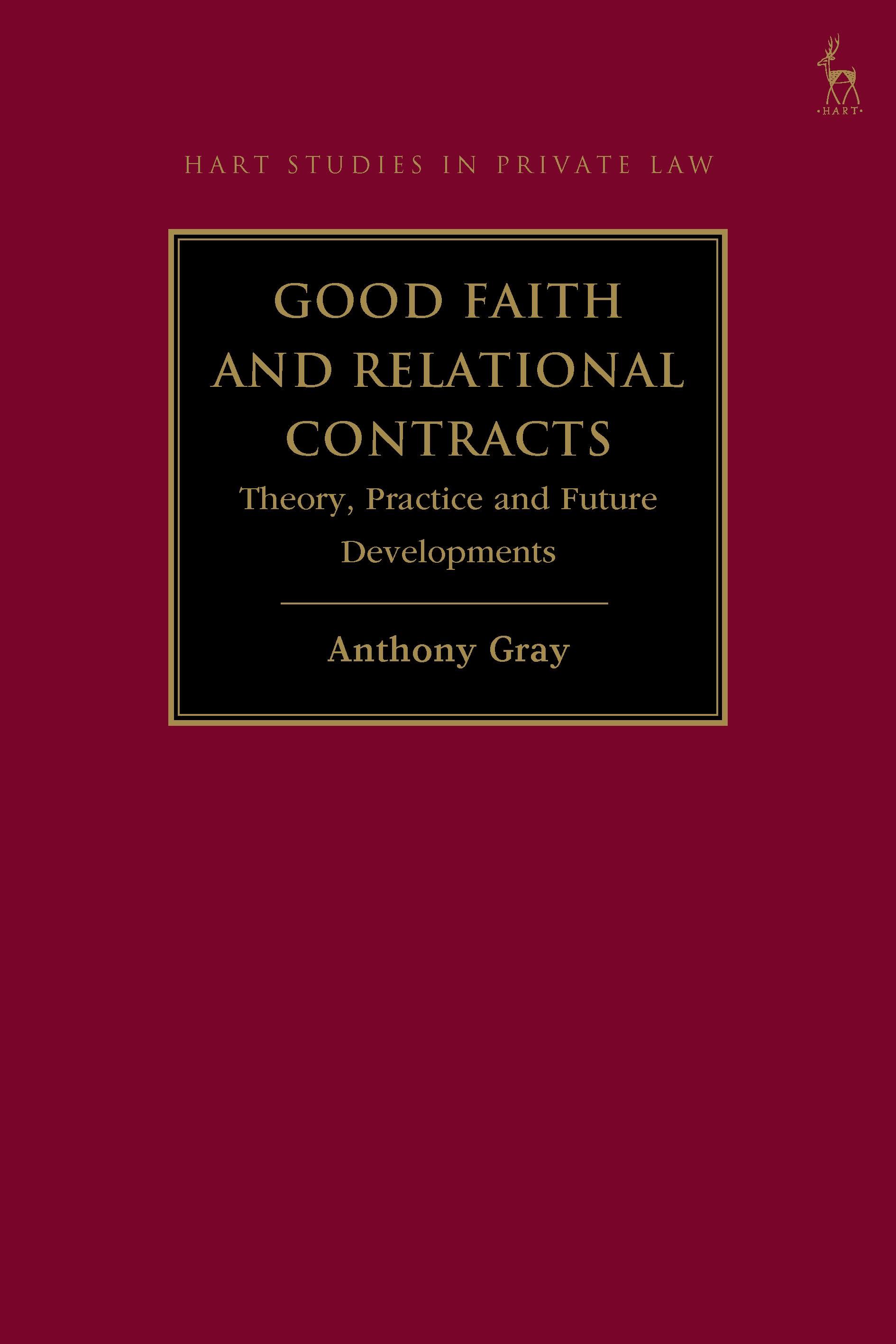
This book explores the use of the doctrine of good faith in the common law when interpreting contracts and resolving disputes.
This doctrine is well-accepted in civil law, is reflected in international commercial law, and is a fundamental aspect of private law in the USA. However, its use in the UK is extremely limited. Inconsistent application has given rise to confusion and uncertainty. This apparent antipathy is somewhat hard to fathom, given its previous widespread acceptance in English law.
The book explains in depth the history of good faith in English law, and clarifies its current status in English, Australian and international law. It explores the relationship between good faith within contractual relations and the neighbour principle in tort law, and notes the workability of good faith in the commercial context of insurance. This will be welcomed by contract lawyers in both common law and civil law jurisdictions. A subsequent volume will explore how acceptance of good faith in the law might lead to a re-interpretation of existing contract law doctrine.
This doctrine is well-accepted in civil law, is reflected in international commercial law, and is a fundamental aspect of private law in the USA. However, its use in the UK is extremely limited. Inconsistent application has given rise to confusion and uncertainty. This apparent antipathy is somewhat hard to fathom, given its previous widespread acceptance in English law.
The book explains in depth the history of good faith in English law, and clarifies its current status in English, Australian and international law. It explores the relationship between good faith within contractual relations and the neighbour principle in tort law, and notes the workability of good faith in the commercial context of insurance. This will be welcomed by contract lawyers in both common law and civil law jurisdictions. A subsequent volume will explore how acceptance of good faith in the law might lead to a re-interpretation of existing contract law doctrine.
Zahle einfach mit Karte, Klarna, Apple Pay oder Google Pay. Nicht zufrieden? Du hast immer ein 14-tägiges Widerrufsrecht. Lies mehr in unseren AGB. Hast du Fragen, schreib uns eine E-Mail an hello@memmo.org.
Memmo macht das Lernen einfacher – wo auch immer du bist. Bei uns findest du deine Kursbücher und smarte Lerntools an einem Ort: Zusammenfassungen, Quizzes, Podcasts und Lernkarten. Und Ted, dein Lernbuddy, beantwortet alles, was du wissen möchtest. Über 50.000 Studierende lernen bereits hier – gemacht, damit du schneller lernst und weniger Stress hast.