
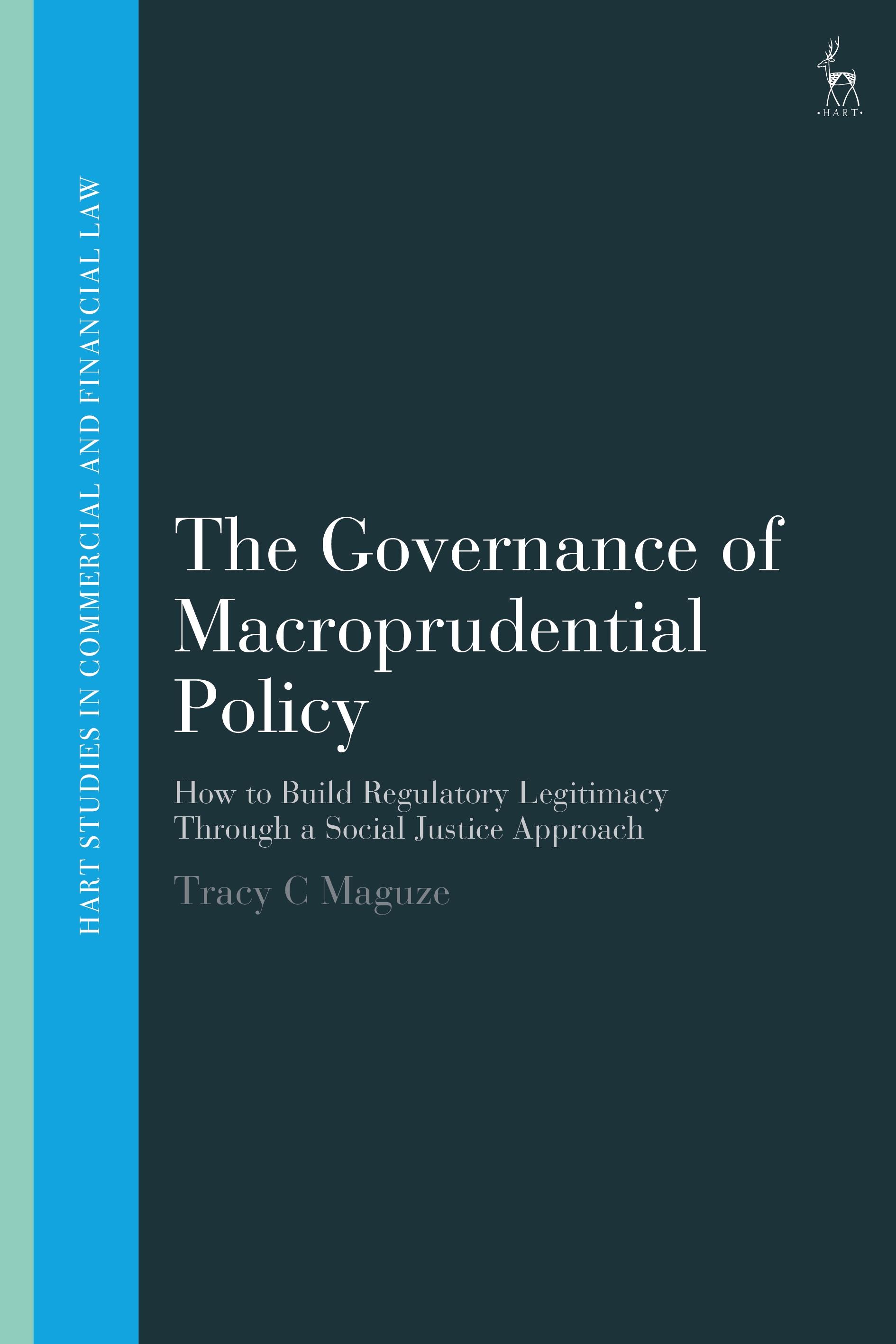
This book critically examines the theoretical foundations and legal framework for macroprudential policy, its tools and governance in the UK, the US, and the EU. It goes deeper into a normative discussion of the legitimacy of macroprudential policy in these jurisdictions, where the mandate for maintaining financial stability has been delegated to independent authorities.
The Global Financial Crisis of 2007-2008 reopened debates regarding legitimacy of the independent regulatory state, given its democratic deficit. The response to a perceived legitimacy gap has been to increase political oversight in financial policymaking and regulation. The book posits that the real problem is not a lack of democracy, but rather a lack of social justice. Across the globe, there is growing dissatisfaction with a financial system and regulatory process that appear depersonalised and perpetuate inequalities. Citizens are calling for more socially just systems of governance and the future success of financial policymakers and regulators will hinge on this. Given the marked distributional effects that have been noted in some macroprudential policy tools, the book questions whether macroprudential policy should be solely based on highly rationalised and strongly quantitative reasons.
By proposing that macroprudential policymakers should have a social justice mandate alongside their financial stability mandate, as well as legal mechanisms for operationalising the added authority, the book contributes to the growing discourse on the role of social justice in public policy.
The Global Financial Crisis of 2007-2008 reopened debates regarding legitimacy of the independent regulatory state, given its democratic deficit. The response to a perceived legitimacy gap has been to increase political oversight in financial policymaking and regulation. The book posits that the real problem is not a lack of democracy, but rather a lack of social justice. Across the globe, there is growing dissatisfaction with a financial system and regulatory process that appear depersonalised and perpetuate inequalities. Citizens are calling for more socially just systems of governance and the future success of financial policymakers and regulators will hinge on this. Given the marked distributional effects that have been noted in some macroprudential policy tools, the book questions whether macroprudential policy should be solely based on highly rationalised and strongly quantitative reasons.
By proposing that macroprudential policymakers should have a social justice mandate alongside their financial stability mandate, as well as legal mechanisms for operationalising the added authority, the book contributes to the growing discourse on the role of social justice in public policy.
Seiten: 272
Kategorie: Redovisning, Finans & Investering
e-ISBN: 9781509968404
Versandgewicht: 1.2 kg
Versand in: 1-2 Tage
Zahle einfach mit Karte, Klarna, Apple Pay oder Google Pay. Nicht zufrieden? Du hast immer ein 14-tägiges Widerrufsrecht. Lies mehr in unseren AGB. Hast du Fragen, schreib uns eine E-Mail an hello@memmo.org.
Memmo macht das Lernen einfacher – wo auch immer du bist. Bei uns findest du deine Kursbücher und smarte Lerntools an einem Ort: Zusammenfassungen, Quizzes, Podcasts und Lernkarten. Und Ted, dein Lernbuddy, beantwortet alles, was du wissen möchtest. Über 50.000 Studierende lernen bereits hier – gemacht, damit du schneller lernst und weniger Stress hast.