
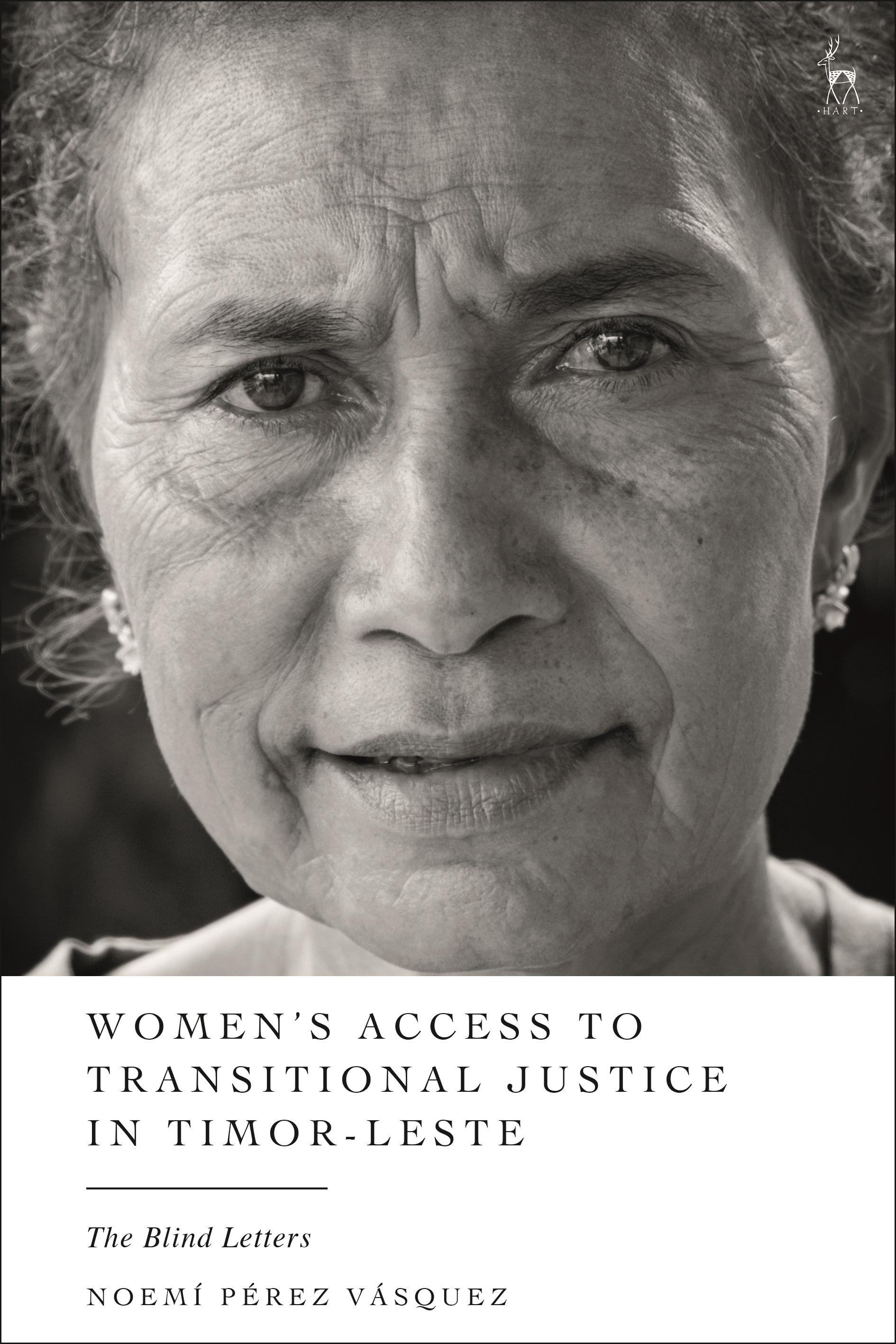
Seeing the role of transitional justice as an area of contestation, this book focuses on the principle of equality guaranteed in the access to transitional justice mechanisms. By raising women's experiences in dealing with the law and policies as well as the implications of community and family practices during post-conflict situations, the book shows how these mechanisms may have been implemented mechanically, without considering the different intersections of discrimination, the public and private divides that exist in the local context or the stereotypes and values of international and national actors.
The book argues that without unpacking the barriers in the administration of transitional justice, the different mechanisms that are implemented in a post-conflict situation may set a higher threshold for the participation of women. Moreover, by taking into account women's perceptions of justice, it further argues that scholars have paid insufficient attention to the welfare structures that are produced after a conflict, particularly the pensions of veterans. Going beyond the focus on sexual violence, a relationship between the violations and post-conflict economic justice may have longer-term consequences for women since it perpetuates their inequality and lack of recognition in times of peace. The use of transitional justice may thus exacerbate the invisibility of and discrimination against certain sections of the population.
Inspired by the work of Hannah Arendt and based on extensive field research in Timor-Leste, the book has larger implications for the overarching debate on the social consequences of transitional justice.
The book argues that without unpacking the barriers in the administration of transitional justice, the different mechanisms that are implemented in a post-conflict situation may set a higher threshold for the participation of women. Moreover, by taking into account women's perceptions of justice, it further argues that scholars have paid insufficient attention to the welfare structures that are produced after a conflict, particularly the pensions of veterans. Going beyond the focus on sexual violence, a relationship between the violations and post-conflict economic justice may have longer-term consequences for women since it perpetuates their inequality and lack of recognition in times of peace. The use of transitional justice may thus exacerbate the invisibility of and discrimination against certain sections of the population.
Inspired by the work of Hannah Arendt and based on extensive field research in Timor-Leste, the book has larger implications for the overarching debate on the social consequences of transitional justice.
Seiten: 320
Kategorie: Kultur-, Genus- & Postkoloniala studier
e-ISBN: 9781509957644
Versandgewicht: 1.2 kg
Versand in: 1-2 Tage
Zahle einfach mit Karte, Klarna, Apple Pay oder Google Pay. Nicht zufrieden? Du hast immer ein 14-tägiges Widerrufsrecht. Lies mehr in unseren AGB. Hast du Fragen, schreib uns eine E-Mail an hello@memmo.org.
Memmo macht das Lernen einfacher – wo auch immer du bist. Bei uns findest du deine Kursbücher und smarte Lerntools an einem Ort: Zusammenfassungen, Quizzes, Podcasts und Lernkarten. Und Ted, dein Lernbuddy, beantwortet alles, was du wissen möchtest. Über 50.000 Studierende lernen bereits hier – gemacht, damit du schneller lernst und weniger Stress hast.