
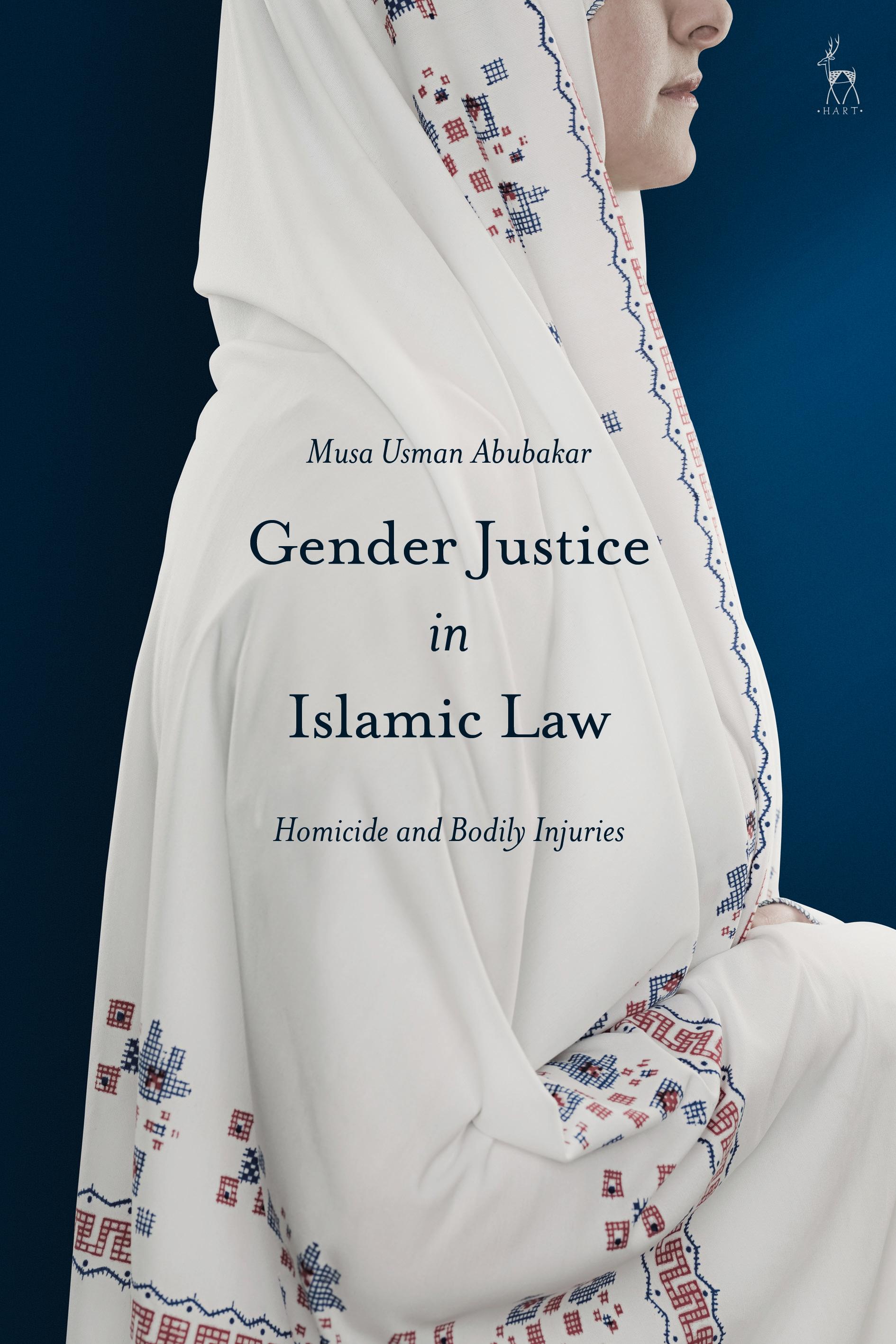
This book seeks to interrogate the classical fiqh formulation on gender and homicide with a view to exploring further the debate on whether the so-called gender injustice in Islamic law is a human creation or attributable to the divine sources of the Qur'an and Sunnah. The study is in response to the increasing criticism of the Islamic criminal law regime and the accusation that it discriminates on the basis of gender. It argues that any attempt to critique a religious question through the lens of traditional Western human rights ideals would be resisted by the vast majority of Muslims. An examination of the question and any suggested solutions offered would be much more effective if situated within the system they identify with; that is to address the question of gender justice deficit from within the Islamic legal tradition. Focusing on Nigeria and Pakistan, the book achieves this by drawing on classical fiqh literature, contemporary literature, legislative sources and relevant case law.
Zahle einfach mit Karte, Klarna, Apple Pay oder Google Pay. Nicht zufrieden? Du hast immer ein 14-tägiges Widerrufsrecht. Lies mehr in unseren AGB. Hast du Fragen, schreib uns eine E-Mail an hello@memmo.org.
Memmo macht das Lernen einfacher – wo auch immer du bist. Bei uns findest du deine Kursbücher und smarte Lerntools an einem Ort: Zusammenfassungen, Quizzes, Podcasts und Lernkarten. Und Ted, dein Lernbuddy, beantwortet alles, was du wissen möchtest. Über 50.000 Studierende lernen bereits hier – gemacht, damit du schneller lernst und weniger Stress hast.