
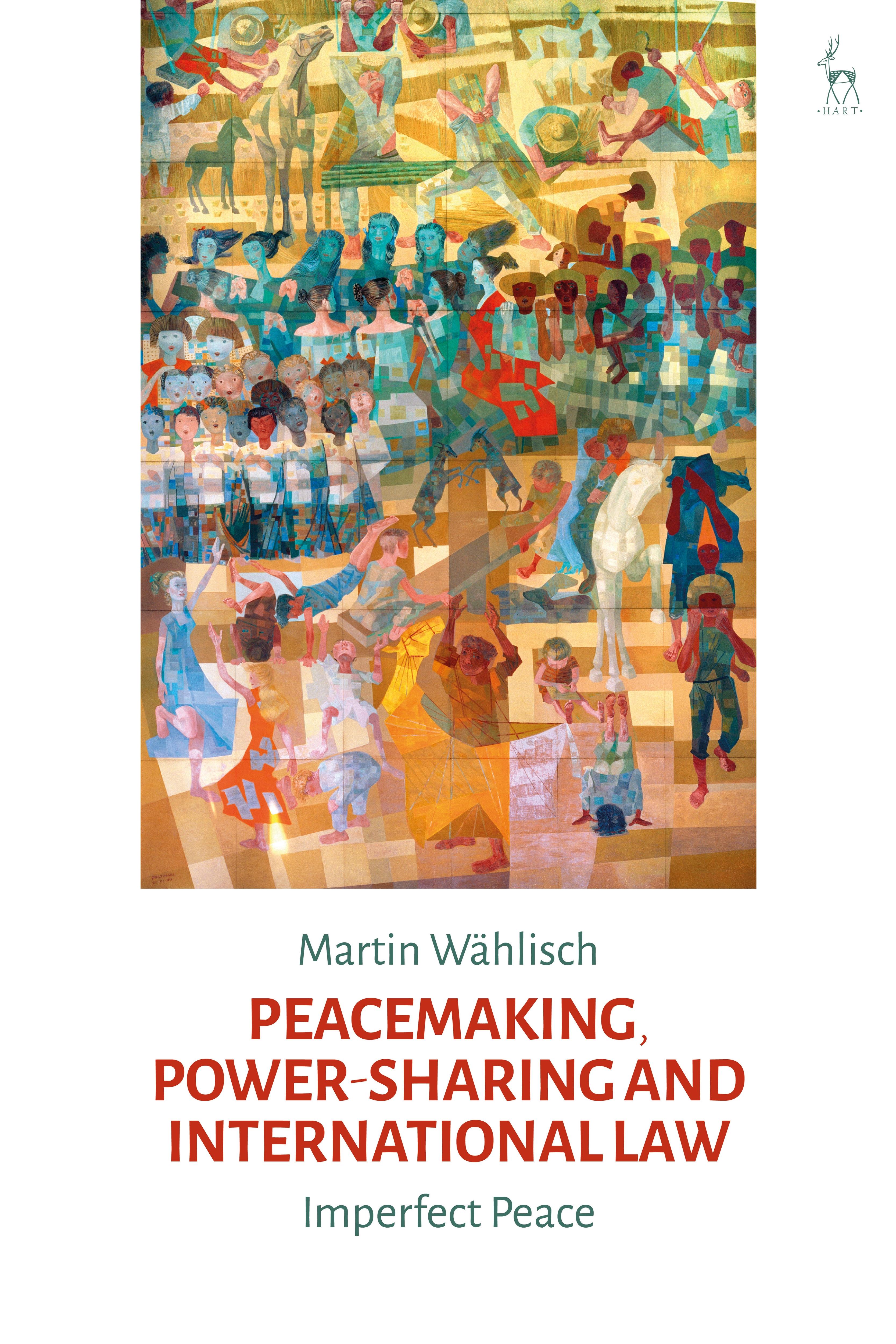
This monograph provides a contemporary analysis of the frictions between peacemaking and international human rights law based on the cases of postconflict power-sharing in Lebanon and Bosnia-Herzegovina. In this context it evaluates the long-standing debate in the United Nations and human rights bodies about the 'imperfect peace'. Written from a practitioner–scholarly viewpoint and drawing from new authentic sources, the book describes the mechanisms used in peace agreements and post-conflict constitutions for managing ethnic or religious diversity, explains their legal limits under international human rights law, and provides a conceptual framework for analysing the nexus between law and peacemaking. The book argues that the relationship between the content of peace agreements and post-conflict constitutions, their negotiation process and the element of time, needs to be untangled to better understand the legal limits of statebuilding in the aftermath of armed conflict. It is a key resource for scholars in human rights law and peace and conflict studies, advisers in peace processes, constitution-makers, and peace mediators.
Zahle einfach mit Karte, Klarna, Apple Pay oder Google Pay. Nicht zufrieden? Du hast immer ein 14-tägiges Widerrufsrecht. Lies mehr in unseren AGB. Hast du Fragen, schreib uns eine E-Mail an hello@memmo.org.
Memmo macht das Lernen einfacher – wo auch immer du bist. Bei uns findest du deine Kursbücher und smarte Lerntools an einem Ort: Zusammenfassungen, Quizzes, Podcasts und Lernkarten. Und Ted, dein Lernbuddy, beantwortet alles, was du wissen möchtest. Über 50.000 Studierende lernen bereits hier – gemacht, damit du schneller lernst und weniger Stress hast.