
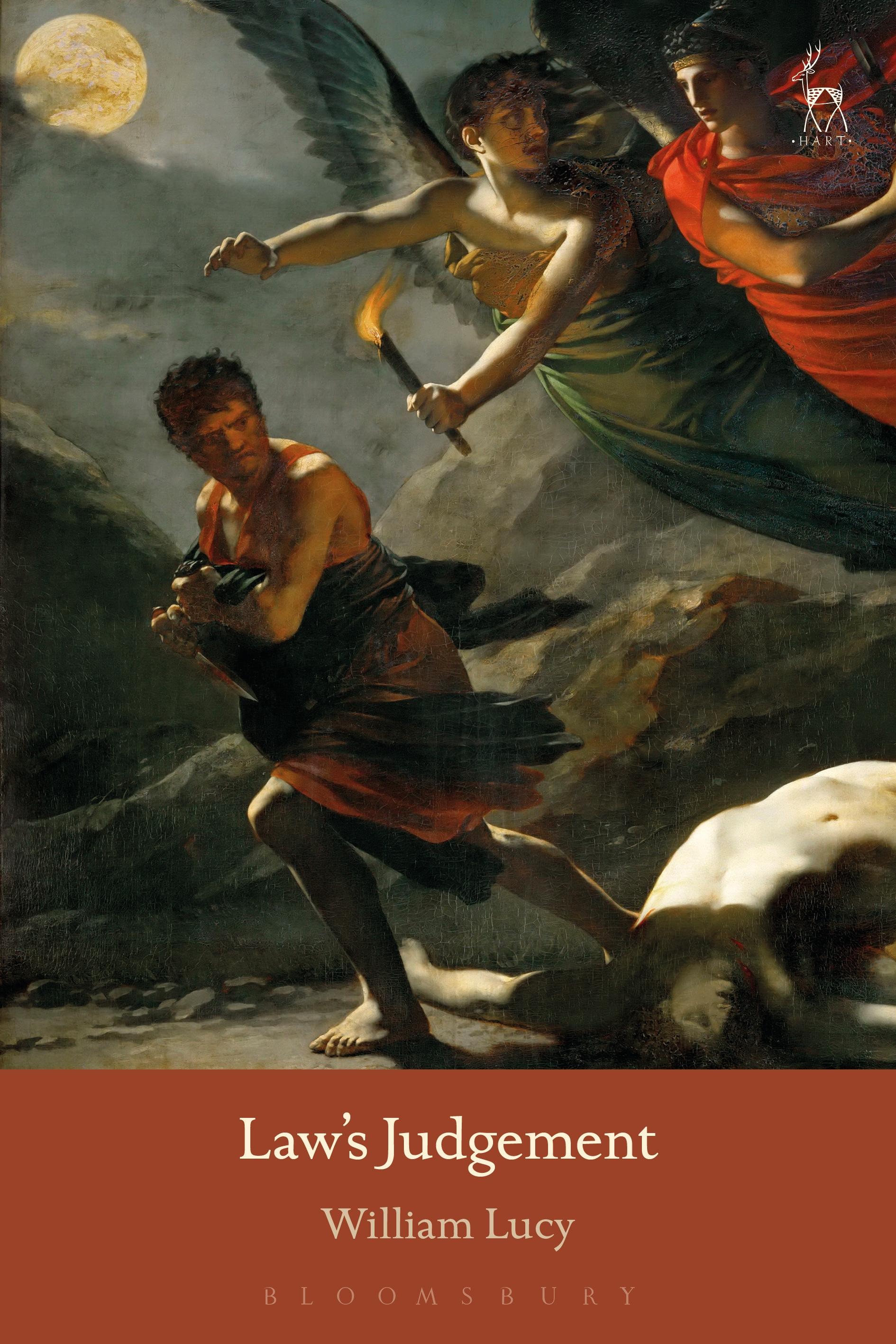
Law's Judgement elucidates and defends a feature of contemporary law that is currently either overlooked or too glibly dismissed as morally troublesome or historically anachronistic. That feature is the abstract nature of law's judgement and its three components show that, when law judges us, it often does so in ignorance of our particular characters and abilities, on the one hand, and in ignorance of our context and circumstances, on the other. Law's judgement is thus insensitive to all or much that makes us the particular people we are. The book explores various connections between this mode of judgement and some of our most important legal and political values. It shows that law's abstract judgement is closely related to important juristic conceptions of personhood, responsibility and impartiality, and that these notions are not without moral significance. The book also examines the connections between modern law's judgement and three of our most important political values, namely, dignity, equality and community. It argues that, if we value particular conceptions of dignity, equality and community, then we must also value law's judgement. Illuminating these connections therefore serves a double purpose: first, it makes a case against those who counsel liberation from law's abstract judgement and, second, it redirects attention to the task of morally evaluating law's abstract judgement in its own terms.
Zahle einfach mit Karte, Klarna, Apple Pay oder Google Pay. Nicht zufrieden? Du hast immer ein 14-tägiges Widerrufsrecht. Lies mehr in unseren AGB. Hast du Fragen, schreib uns eine E-Mail an hello@memmo.org.
Memmo macht das Lernen einfacher – wo auch immer du bist. Bei uns findest du deine Kursbücher und smarte Lerntools an einem Ort: Zusammenfassungen, Quizzes, Podcasts und Lernkarten. Und Ted, dein Lernbuddy, beantwortet alles, was du wissen möchtest. Über 50.000 Studierende lernen bereits hier – gemacht, damit du schneller lernst und weniger Stress hast.