
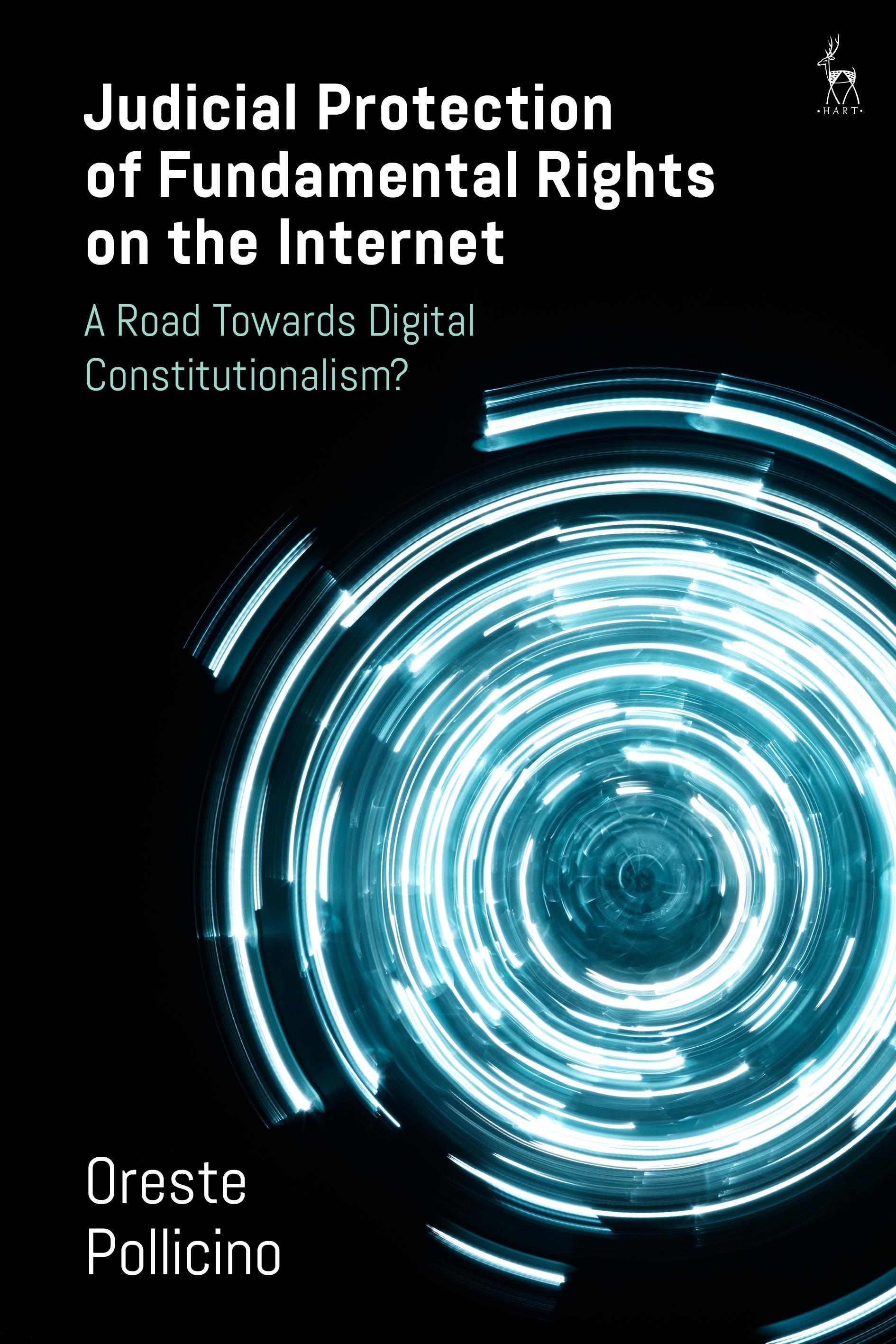
This book explores how the Internet impacts on the protection of fundamental rights, particularly with regard to freedom of speech and privacy. In doing so, it seeks to bridge the gap between Internet Law and European and Constitutional Law.
The book aims to emancipate the debate on internet law and jurisprudence from the dominant position, with specific reference to European legal regimes. This approach aims to inject a European and constitutional “soul” into the topic. Moreover, the book addresses the relationship between new technologies and the protection of fundamental rights within the theoretical debate surrounding the process of European integration, with particular emphasis on judicial dialogue.
This innovative book provides a thorough analysis of the forms, models and styles of judicial protection of fundamental rights in the digital era and compares the European vision to that of the United States. The book offers the first comparative analysis in which the notion of (judicial) frame, borrowed from linguistic and cognitive studies, is systematically applied to the theories of interpretation and argumentation.
With a Foreword by Robert Spano, President of the European Court of Human Rights.
The book aims to emancipate the debate on internet law and jurisprudence from the dominant position, with specific reference to European legal regimes. This approach aims to inject a European and constitutional “soul” into the topic. Moreover, the book addresses the relationship between new technologies and the protection of fundamental rights within the theoretical debate surrounding the process of European integration, with particular emphasis on judicial dialogue.
This innovative book provides a thorough analysis of the forms, models and styles of judicial protection of fundamental rights in the digital era and compares the European vision to that of the United States. The book offers the first comparative analysis in which the notion of (judicial) frame, borrowed from linguistic and cognitive studies, is systematically applied to the theories of interpretation and argumentation.
With a Foreword by Robert Spano, President of the European Court of Human Rights.
Zahle einfach mit Karte, Klarna, Apple Pay oder Google Pay. Nicht zufrieden? Du hast immer ein 14-tägiges Widerrufsrecht. Lies mehr in unseren AGB. Hast du Fragen, schreib uns eine E-Mail an hello@memmo.org.
Memmo macht das Lernen einfacher – wo auch immer du bist. Bei uns findest du deine Kursbücher und smarte Lerntools an einem Ort: Zusammenfassungen, Quizzes, Podcasts und Lernkarten. Und Ted, dein Lernbuddy, beantwortet alles, was du wissen möchtest. Über 50.000 Studierende lernen bereits hier – gemacht, damit du schneller lernst und weniger Stress hast.