
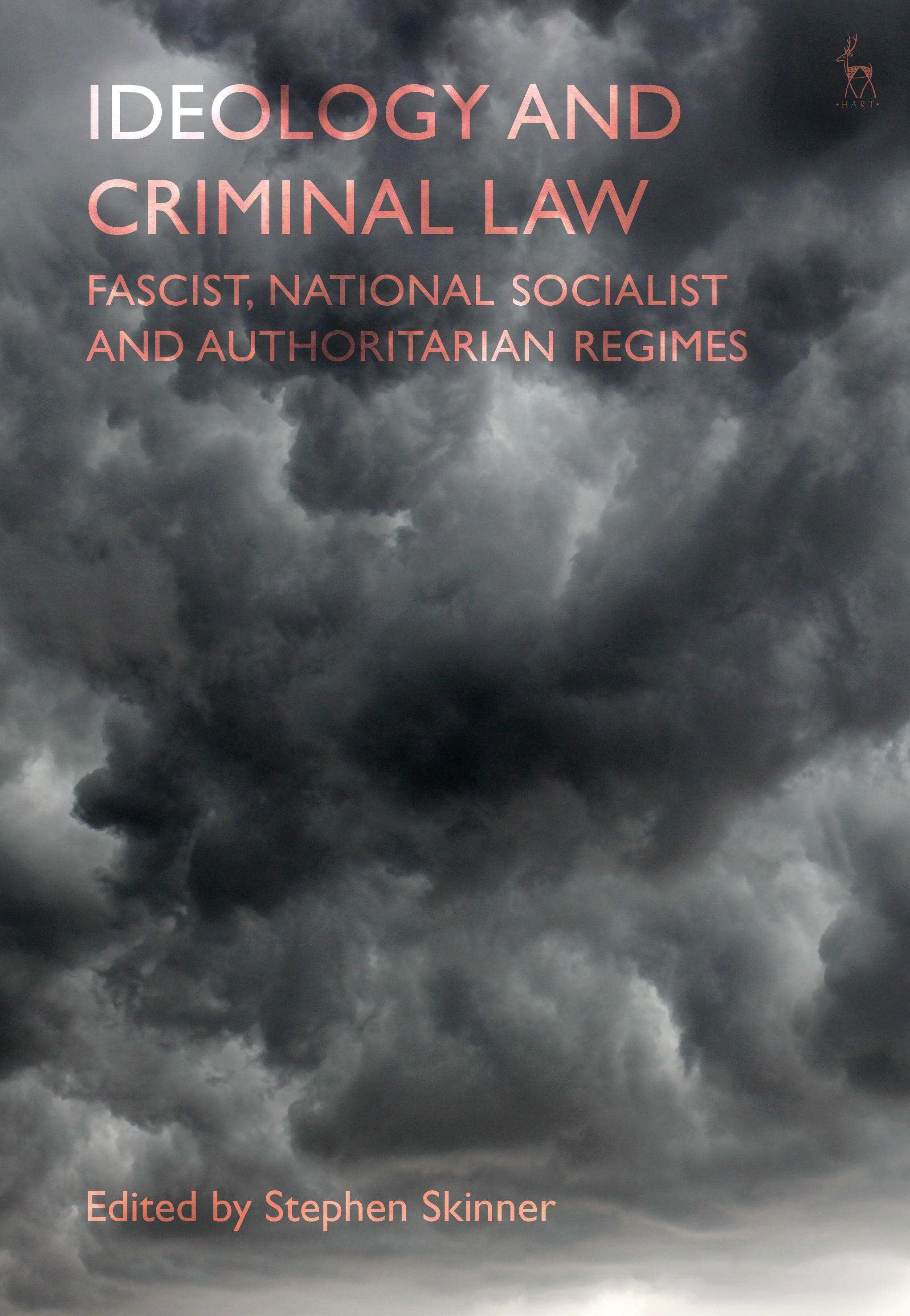
With populist, nationalist and repressive governments on the rise around the world, questioning the impact of politics on the nature and role of law and the state is a pressing concern. If we are to understand the effects of extreme ideologies on the state's legal dimensions and powers – especially the power to punish and to determine the boundaries of permissible conduct through criminal law – it is essential to consider the lessons of history. This timely collection explores how political ideas and beliefs influenced the nature, content and application of criminal law and justice under Fascism, National Socialism, and other authoritarian regimes in the twentieth century. Bringing together expert legal historians from four continents, the collection's 16 chapters examine aspects of criminal law and related jurisprudential and criminological questions in the context of Fascist Italy, Nazi Germany, Nazi-occupied Norway, apartheid South Africa, Francoist Spain, and the authoritarian regimes of Brazil, Romania and Japan. Based on original archival, doctrinal and theoretical research, the collection offers new critical perspectives on issues of systemic identity, self-perception and the foundational role of criminal law; processes of state repression and the activities of criminal courts and lawyers; and ideological aspects of, and tensions in, substantive criminal law.
Zahle einfach mit Karte, Klarna, Apple Pay oder Google Pay. Nicht zufrieden? Du hast immer ein 14-tägiges Widerrufsrecht. Lies mehr in unseren AGB. Hast du Fragen, schreib uns eine E-Mail an hello@memmo.org.
Memmo macht das Lernen einfacher – wo auch immer du bist. Bei uns findest du deine Kursbücher und smarte Lerntools an einem Ort: Zusammenfassungen, Quizzes, Podcasts und Lernkarten. Und Ted, dein Lernbuddy, beantwortet alles, was du wissen möchtest. Über 50.000 Studierende lernen bereits hier – gemacht, damit du schneller lernst und weniger Stress hast.