
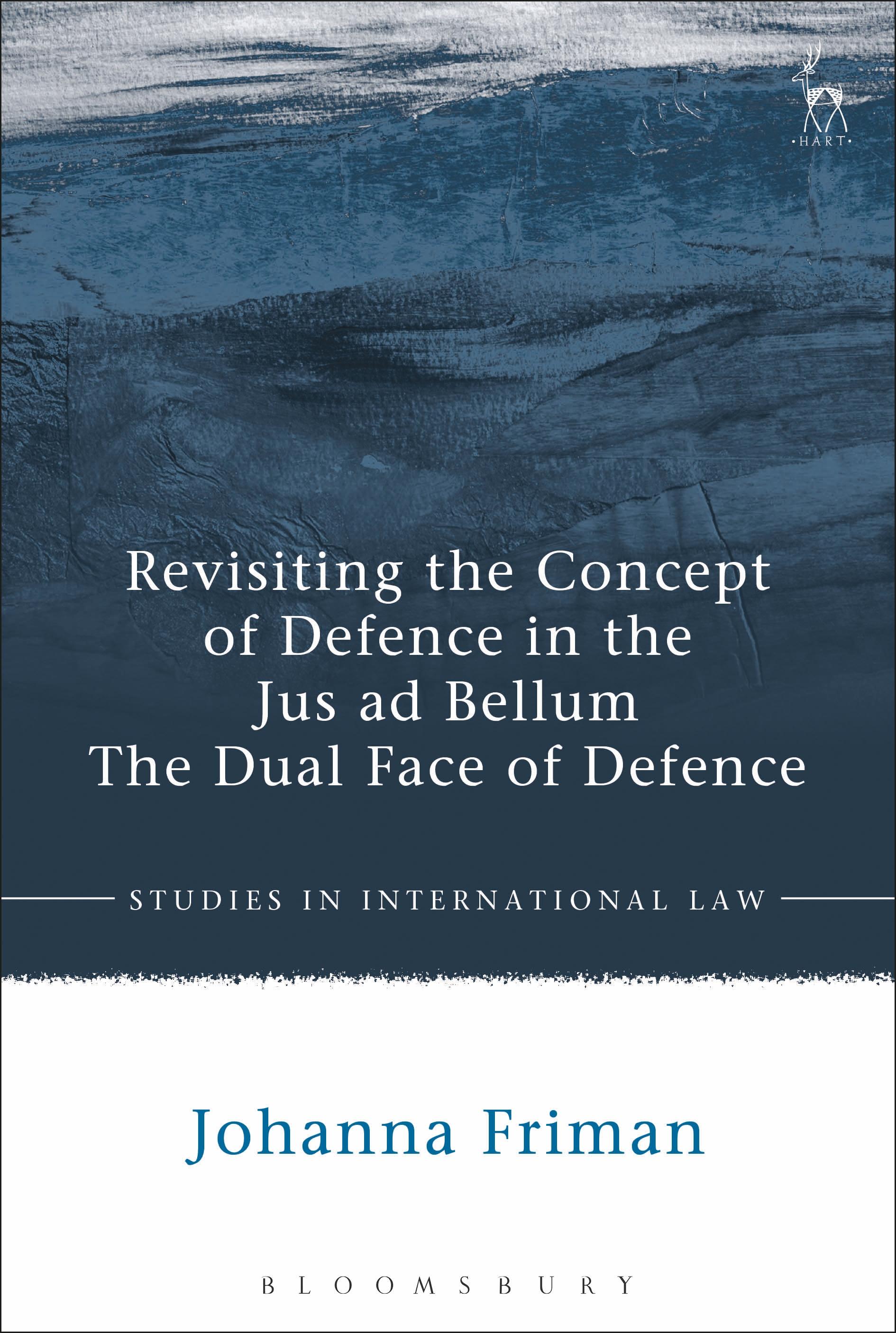
The purpose of the jus ad bellum is to draw a line in the sand: thus far, but no further. In the light of modern warfare, a state should today have an explicitly recognised and undisputed right of delimited unilateral defence not only in response to an occurring armed attack, but also in interception of an inevitable or imminent armed attack. This book, however, makes it evident that unilateral interception is not incontestably compatible with the modern right of self-defence in Article 51 of the UN Charter. Then again, unilateral defence need not forever be confined to self-defence only, wherefore the book proposes that the concept of defence may best be modernised by a clear legal division into responsive and interceptive defence. Since both threat and use of force are explicitly prohibited in Article 2(4) of the UN Charter, this book further recommends that both responsive and interceptive defence should be explicitly excepted from this prohibition in Article 51 of the UN Charter. The modern jus ad bellum should thus legally recognise a dual face of defence: responsive self-defence if an armed attack occurs, and interceptive necessity-defence if a grave and urgent threat of an armed attack occurs. For without a clarifying and modernising revision, the concept of defence will become irreparably blurred until it is completely dissolved into the ever-shifting sands of war.
Zahle einfach mit Karte, Klarna, Apple Pay oder Google Pay. Nicht zufrieden? Du hast immer ein 14-tägiges Widerrufsrecht. Lies mehr in unseren AGB. Hast du Fragen, schreib uns eine E-Mail an hello@memmo.org.
Memmo macht das Lernen einfacher – wo auch immer du bist. Bei uns findest du deine Kursbücher und smarte Lerntools an einem Ort: Zusammenfassungen, Quizzes, Podcasts und Lernkarten. Und Ted, dein Lernbuddy, beantwortet alles, was du wissen möchtest. Über 50.000 Studierende lernen bereits hier – gemacht, damit du schneller lernst und weniger Stress hast.