
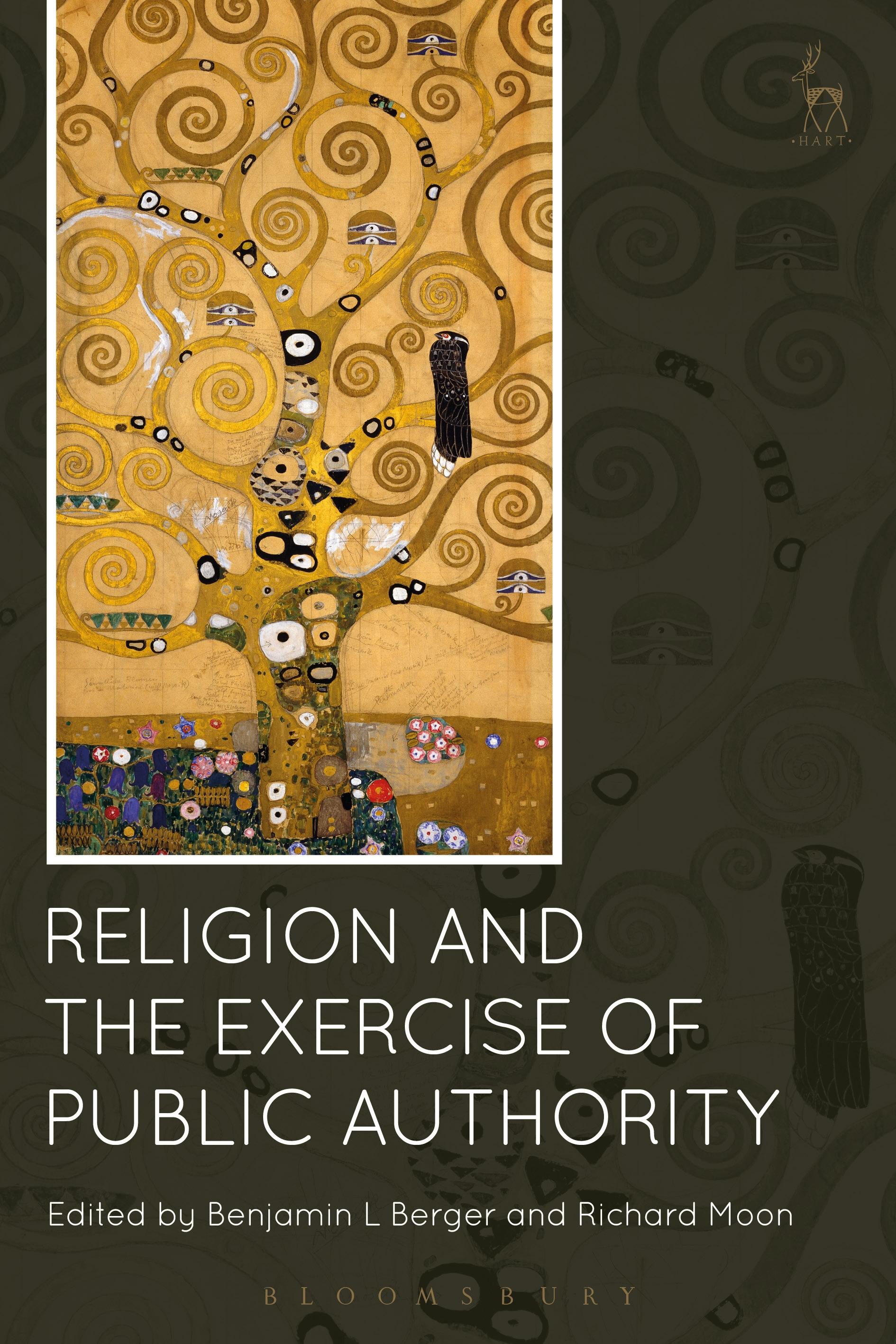
In the burgeoning literature on law and religion, scholarly attention has tended to focus on broad questions concerning the scope of religious freedom, the nature of toleration and the meaning of secularism. An under-examined issue is how religion figures in the decisions, actions and experiences of those charged with performing public duties. This point of contact between religion and public authority has generated a range of legal and political controversies around issues such as the wearing of religious symbols by public officials, prayer at municipal government meetings, religious education and conscientious objection by public servants.
Authored by scholars from a variety of disciplines, the chapters in this volume provide insight into these and other issues. Yet the volume also provides an entry point into a deeper examination of the concepts that are often used to organise and manage religious diversity, notably state neutrality. By examining the exercise of public authority by individuals who are religiously committed – or who, in the discharge of their public responsibilities, must account for those who are – this volume exposes the assumptions about legal and political life that underlie the concept of state neutrality and reveals its limits as a governing ideal.
Authored by scholars from a variety of disciplines, the chapters in this volume provide insight into these and other issues. Yet the volume also provides an entry point into a deeper examination of the concepts that are often used to organise and manage religious diversity, notably state neutrality. By examining the exercise of public authority by individuals who are religiously committed – or who, in the discharge of their public responsibilities, must account for those who are – this volume exposes the assumptions about legal and political life that underlie the concept of state neutrality and reveals its limits as a governing ideal.
Zahle einfach mit Karte, Klarna, Apple Pay oder Google Pay. Nicht zufrieden? Du hast immer ein 14-tägiges Widerrufsrecht. Lies mehr in unseren AGB. Hast du Fragen, schreib uns eine E-Mail an hello@memmo.org.
Memmo macht das Lernen einfacher – wo auch immer du bist. Bei uns findest du deine Kursbücher und smarte Lerntools an einem Ort: Zusammenfassungen, Quizzes, Podcasts und Lernkarten. Und Ted, dein Lernbuddy, beantwortet alles, was du wissen möchtest. Über 50.000 Studierende lernen bereits hier – gemacht, damit du schneller lernst und weniger Stress hast.