
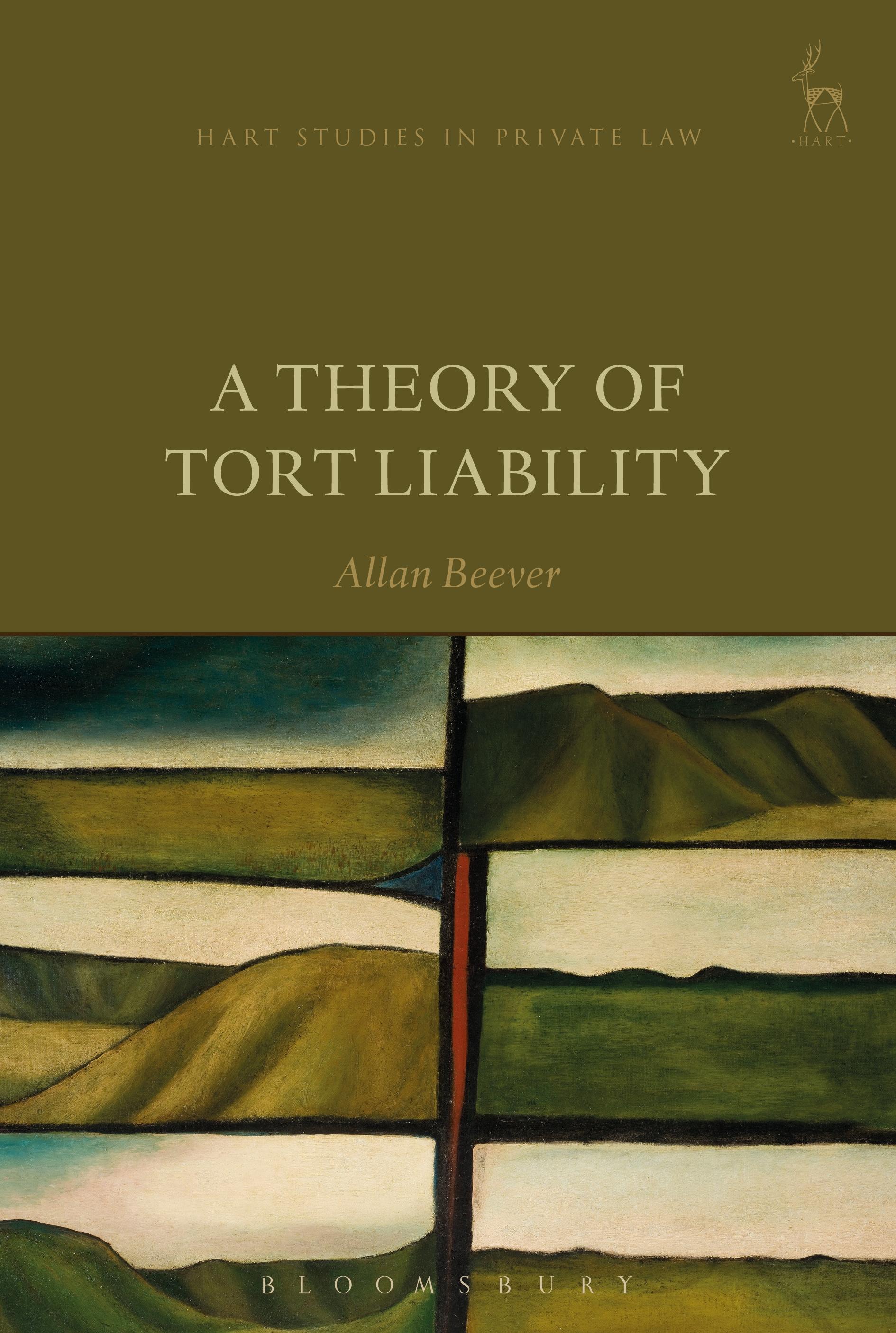
This book provides a comprehensive theory of the rights upon which tort law is based and the liability that flows from violating those rights. Inspired by the account of private law contained in Immanuel Kant's Metaphysics of Morals, the book shows that Kant's theory elucidates a conception of interpersonal wrongdoing that illuminates the operation of tort law. The book then utilises this conception, applying it to the various areas of tort law, in order to develop an understanding of the particular areas in question and, just as importantly, their relationship to each other. It argues that there are three general kinds of liability found in the law of tort: liability for putting another or another's property to one's purposes directly, liability for doing something to a third party that puts another or another's property to one's purposes, and liability for pursuing purposes in a way that improperly interferes with the ability of another to pursue her legitimate purposes. It terms these forms liability for direct control, liability for indirect control and liability for injury respectively. The result is a coherent, philosophical understanding of the structure of tort liability as an entire system. In developing its position, the book considers the laws of Australia, Canada, England and Wales, New Zealand and the United States.
Zahle einfach mit Karte, Klarna, Apple Pay oder Google Pay. Nicht zufrieden? Du hast immer ein 14-tägiges Widerrufsrecht. Lies mehr in unseren AGB. Hast du Fragen, schreib uns eine E-Mail an hello@memmo.org.
Memmo macht das Lernen einfacher – wo auch immer du bist. Bei uns findest du deine Kursbücher und smarte Lerntools an einem Ort: Zusammenfassungen, Quizzes, Podcasts und Lernkarten. Und Ted, dein Lernbuddy, beantwortet alles, was du wissen möchtest. Über 50.000 Studierende lernen bereits hier – gemacht, damit du schneller lernst und weniger Stress hast.