
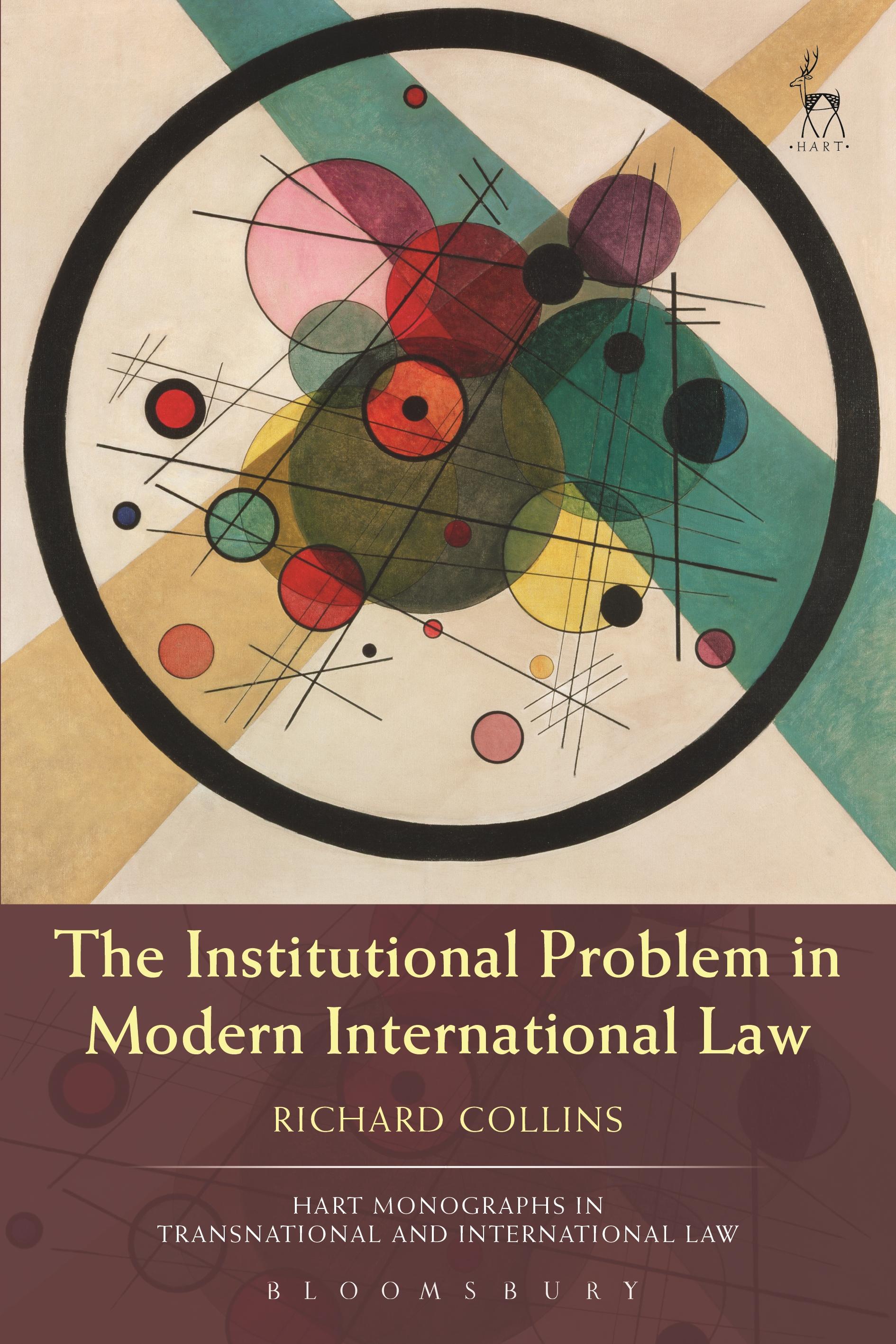
Modern international law is widely understood as an autonomous system of binding legal rules. Nevertheless, this claim to autonomy is far from uncontroversial. International lawyers have faced recurrent scepticism as to both the reality and efficacy of the object of their study and practice. For the most part, this scepticism has focussed on international law's peculiar institutional structure, with the absence of centralised organs of legislation, adjudication and enforcement, leaving international legal rules seemingly indeterminate in the conduct of international politics. Perception of this 'institutional problem' has therefore given rise to a certain disciplinary angst or self-defensiveness, fuelling a need to seek out functional analogues or substitutes for the kind of institutional roles deemed intrinsic to a functioning legal system. The author of this book believes that this strategy of accommodation is, however, deeply problematic. It fails to fully grasp the importance of international law's decentralised institutional form in securing some measure of accountability in international relations. It thus misleads through functional analogy and, in doing so, potentially exacerbates legitimacy deficits. There are enough conceptual weaknesses and blindspots in the legal-theoretical models against which international law is so frequently challenged to show that the perceived problem arises more in theory, than in practice.
Zahle einfach mit Karte, Klarna, Apple Pay oder Google Pay. Nicht zufrieden? Du hast immer ein 14-tägiges Widerrufsrecht. Lies mehr in unseren AGB. Hast du Fragen, schreib uns eine E-Mail an hello@memmo.org.
Memmo macht das Lernen einfacher – wo auch immer du bist. Bei uns findest du deine Kursbücher und smarte Lerntools an einem Ort: Zusammenfassungen, Quizzes, Podcasts und Lernkarten. Und Ted, dein Lernbuddy, beantwortet alles, was du wissen möchtest. Über 50.000 Studierende lernen bereits hier – gemacht, damit du schneller lernst und weniger Stress hast.