
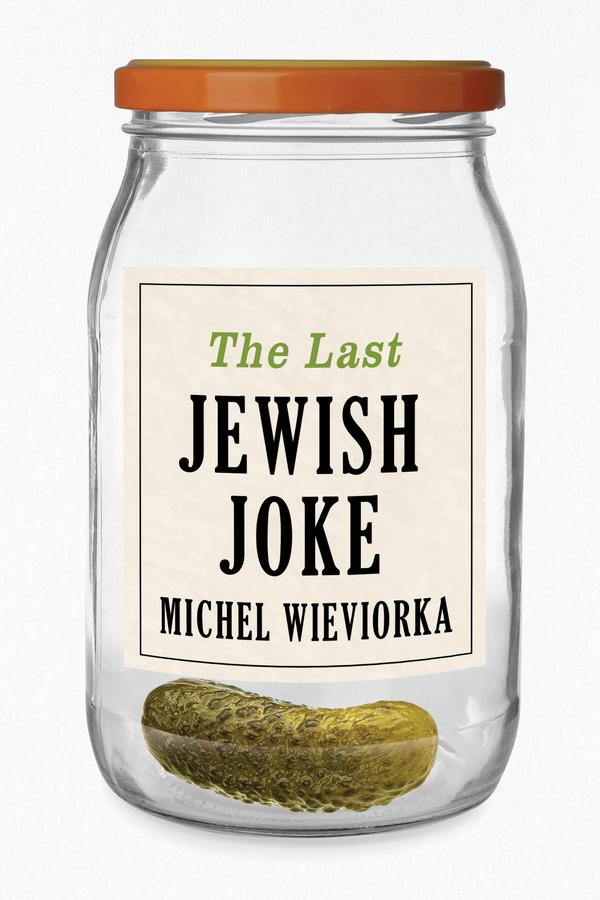
The golden age of Jewish humour flourished in the second half of the twentieth century, enjoyed by Jews and non-Jews alike, but its twilight years are now in sight.
Telling jokes has the potential to reaffirm community once religion, political loyalties and victimhood are stripped away: from the 1960s on, a unique cultural dynamism bound up in these jokes reminded Jews around the world of what it means to be Jewish. Often, jokes pit one group against another, but Jewish jokes opted for self-deprecation instead, and in this case, laughing at the group reinforced it. They enabled Jews to live in harmony with others in full conscience of their differences and they safeguarded a desire for survival at the heart of Jewish identity. Moreover, absurd, larger-than-life characters such as Rabbi Jacob generated tolerance, empathy and tenderness among non-Jews after the horror and guilt of the Shoah. From the early 2000s, however, the space that allowed Jewish jokes to flourish began to shrink, due to a decline in the understanding of the Shoah, a less positive image of Israel and a waning of the importance of Jewish culture in American intellectual and cultural life.
This playful and personal book by Michel Wieviorka includes Jewish jokes but also laments the disappearance of the Jewish joke and eulogises its ability to allow the thriving of community alongside difference. It is an original and wide-ranging analysis of the evolution of the diaspora and its relationship with the State of Israel, its history and dramas as well as its cultural creativity.
Telling jokes has the potential to reaffirm community once religion, political loyalties and victimhood are stripped away: from the 1960s on, a unique cultural dynamism bound up in these jokes reminded Jews around the world of what it means to be Jewish. Often, jokes pit one group against another, but Jewish jokes opted for self-deprecation instead, and in this case, laughing at the group reinforced it. They enabled Jews to live in harmony with others in full conscience of their differences and they safeguarded a desire for survival at the heart of Jewish identity. Moreover, absurd, larger-than-life characters such as Rabbi Jacob generated tolerance, empathy and tenderness among non-Jews after the horror and guilt of the Shoah. From the early 2000s, however, the space that allowed Jewish jokes to flourish began to shrink, due to a decline in the understanding of the Shoah, a less positive image of Israel and a waning of the importance of Jewish culture in American intellectual and cultural life.
This playful and personal book by Michel Wieviorka includes Jewish jokes but also laments the disappearance of the Jewish joke and eulogises its ability to allow the thriving of community alongside difference. It is an original and wide-ranging analysis of the evolution of the diaspora and its relationship with the State of Israel, its history and dramas as well as its cultural creativity.
Zahle einfach mit Karte, Klarna, Apple Pay oder Google Pay. Nicht zufrieden? Du hast immer ein 14-tägiges Widerrufsrecht. Lies mehr in unseren AGB. Hast du Fragen, schreib uns eine E-Mail an hello@memmo.org.
Memmo macht das Lernen einfacher – wo auch immer du bist. Bei uns findest du deine Kursbücher und smarte Lerntools an einem Ort: Zusammenfassungen, Quizzes, Podcasts und Lernkarten. Und Ted, dein Lernbuddy, beantwortet alles, was du wissen möchtest. Über 50.000 Studierende lernen bereits hier – gemacht, damit du schneller lernst und weniger Stress hast.
Das könnte dir auch gefallen
Buch kaufen0