
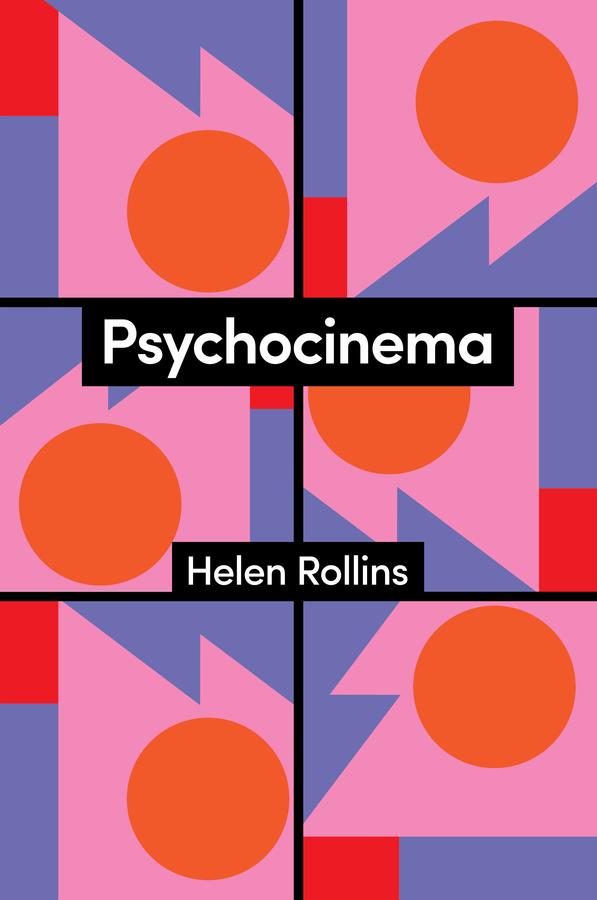
Psychocinema reexamines the connection between psychoanalysis and film, arguing for a return to the universalist core of both cinema and subjectivity. It traces the history of the influence of psychoanalysis on cinema and shows how the detour into ideologies of identity and difference eclipses the premise of the first and the emancipatory power of the second.
The book argues that psychoanalysis does not simply help us elucidate what we see on screen: rather, there is a fundamental relationship between the structure of psychoanalysis and that of cinema. Cinema acts upon the viewer like psychoanalysis upon the analysand and can expose them to the universal Lack inherent in their desire. This process undermines the unconscious logic of capitalism, which relies on a promise in fulfilment.
Rollins, a filmmaker, shows how reductive interpretations of psychoanalytic film theory have permeated film education and film practice and have affected the way films are made and watched, to the detriment of contemporary philosophy and politics. Psychocinema urges filmmakers, theorists and audiences to embrace the truly radical and emancipatory potential of cinema: its capacity to confront us with the universal Lack in our desire.
The book argues that psychoanalysis does not simply help us elucidate what we see on screen: rather, there is a fundamental relationship between the structure of psychoanalysis and that of cinema. Cinema acts upon the viewer like psychoanalysis upon the analysand and can expose them to the universal Lack inherent in their desire. This process undermines the unconscious logic of capitalism, which relies on a promise in fulfilment.
Rollins, a filmmaker, shows how reductive interpretations of psychoanalytic film theory have permeated film education and film practice and have affected the way films are made and watched, to the detriment of contemporary philosophy and politics. Psychocinema urges filmmakers, theorists and audiences to embrace the truly radical and emancipatory potential of cinema: its capacity to confront us with the universal Lack in our desire.
Zahle einfach mit Karte, Klarna, Apple Pay oder Google Pay. Nicht zufrieden? Du hast immer ein 14-tägiges Widerrufsrecht. Lies mehr in unseren AGB. Hast du Fragen, schreib uns eine E-Mail an hello@memmo.org.
Memmo macht das Lernen einfacher – wo auch immer du bist. Bei uns findest du deine Kursbücher und smarte Lerntools an einem Ort: Zusammenfassungen, Quizzes, Podcasts und Lernkarten. Und Ted, dein Lernbuddy, beantwortet alles, was du wissen möchtest. Über 50.000 Studierende lernen bereits hier – gemacht, damit du schneller lernst und weniger Stress hast.
Das könnte dir auch gefallen
Buch kaufen0