
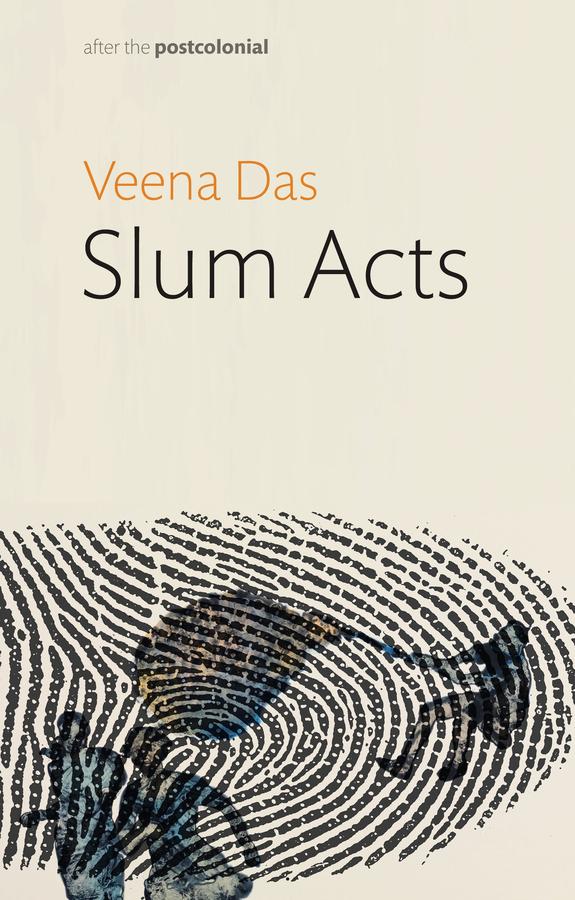
This book examines the ways in which knowledge that is inordinate, excessive, and overwhelming comes to mark everyday life in low-income, poor neighborhoods in Delhi with crumbling infrastructures and pervasive violence. Based on long-term ethnography in these spaces, this book provides a detailed analysis of the institutions of the state, particularly of policing and law in India. It argues that catastrophic events at the national level and the techniques of governance through which they are handled secrete forms of knowing that get embedded into the nooks and crannies of everyday life, eroding trust, sowing suspicions, and leading to an exhaustion of capacity for care. Yet the paths to survival honed within these spaces generate critique that compels us to ask how punishment and torture become routinized in democracies. Following the paths of those who struggle with these questions in these neighborhoods, the book finds that deep philosophical questions, such as the inhuman as a possibility of the human rather than its boundary, arise in the weaves of these lives and are experienced as a dimension of the social.
This book will be of great interest to students and scholars in anthropology and throughout the social sciences and humanities.
Zahle einfach mit Karte, Klarna, Apple Pay oder Google Pay. Nicht zufrieden? Du hast immer ein 14-tägiges Widerrufsrecht. Lies mehr in unseren AGB. Hast du Fragen, schreib uns eine E-Mail an hello@memmo.org.
Memmo macht das Lernen einfacher – wo auch immer du bist. Bei uns findest du deine Kursbücher und smarte Lerntools an einem Ort: Zusammenfassungen, Quizzes, Podcasts und Lernkarten. Und Ted, dein Lernbuddy, beantwortet alles, was du wissen möchtest. Über 50.000 Studierende lernen bereits hier – gemacht, damit du schneller lernst und weniger Stress hast.