
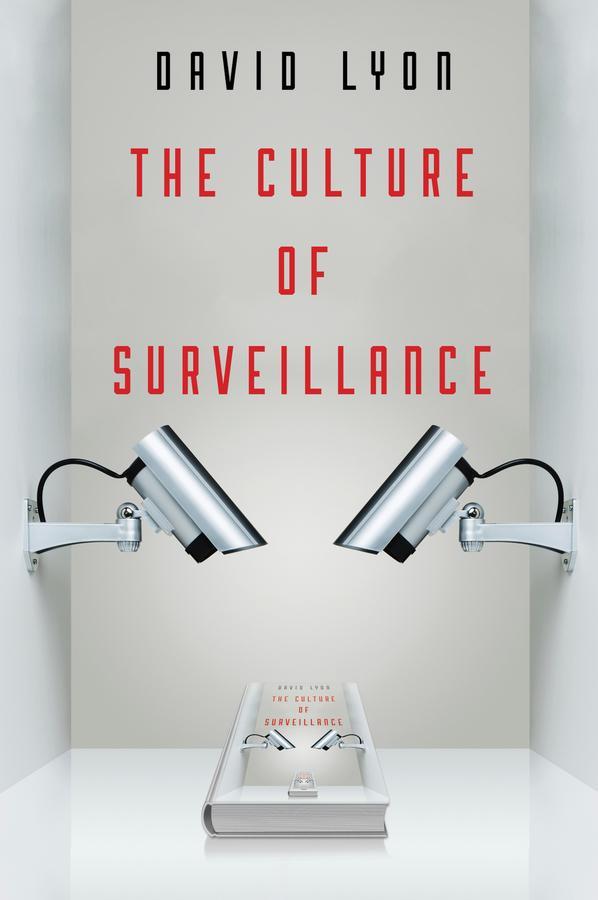
From 9/11 to the Snowden leaks, stories about surveillance increasingly dominate the headlines. But surveillance is not only 'done to us' – it is something we do in everyday life. We submit to surveillance, believing we have nothing to hide. Or we try to protect our privacy or negotiate the terms under which others have access to our data. At the same time, we participate in surveillance in order to supervise children, monitor other road users, and safeguard our property. Social media allow us to keep tabs on others, as well as on ourselves. This is the culture of surveillance.
This important book explores the imaginaries and practices of everyday surveillance. Its main focus is not high-tech, organized surveillance operations but our varied, mundane experiences of surveillance that range from the casual and careless to the focused and intentional. It insists that it is time to stop using Orwellian metaphors and find ones suited to twenty-first-century surveillance — from 'The Circle' or 'Black Mirror.'
Surveillance culture, David Lyon argues, is not detached from the surveillance state, society and economy. It is informed by them. He reveals how the culture of surveillance may help to domesticate and naturalize surveillance of unwelcome kinds, and considers which kinds of surveillance might be fostered for the common good and human flourishing.
Zahle einfach mit Karte, Klarna, Apple Pay oder Google Pay. Nicht zufrieden? Du hast immer ein 14-tägiges Widerrufsrecht. Lies mehr in unseren AGB. Hast du Fragen, schreib uns eine E-Mail an hello@memmo.org.
Memmo macht das Lernen einfacher – wo auch immer du bist. Bei uns findest du deine Kursbücher und smarte Lerntools an einem Ort: Zusammenfassungen, Quizzes, Podcasts und Lernkarten. Und Ted, dein Lernbuddy, beantwortet alles, was du wissen möchtest. Über 50.000 Studierende lernen bereits hier – gemacht, damit du schneller lernst und weniger Stress hast.