
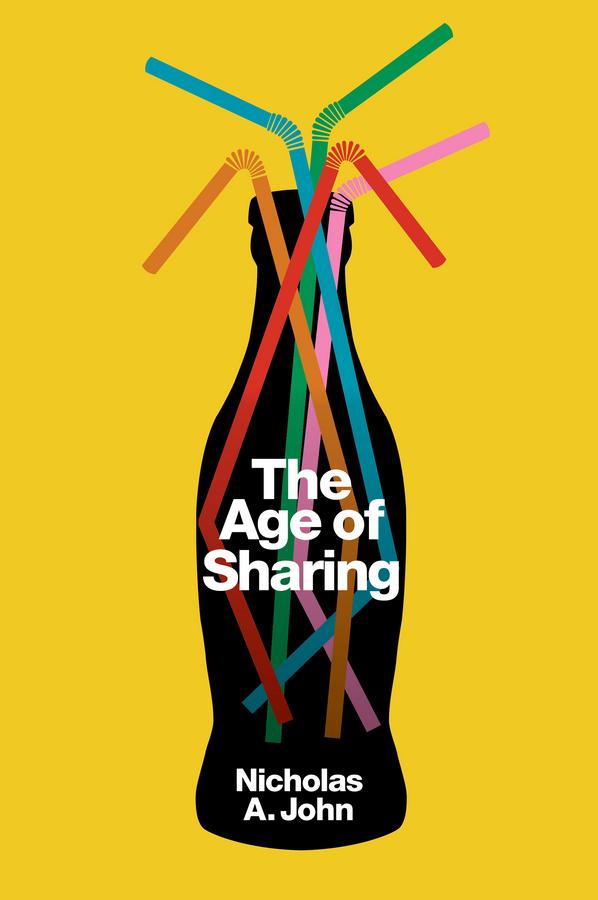
Sharing is central to how we live today: it is what we do online; it is a model of economic behaviour; and it is also a type of therapeutic talk. Sharing embodies positive values such as empathy, communication, fairness, openness and equality. The Age of Sharing shows how and when sharing became caring, and explains how its meanings have changed in the digital age.
But the word �sharing� also camouflages commercial or even exploitative relations. Websites say they share data with advertisers, although in reality they sell it, while parts of the sharing economy look a great deal like rental services. Ultimately, it is argued, practices described as sharing and critiques of those practices have common roots. Consequently, the metaphor of sharing now constructs significant swathes of our social practices and provides the grounds for critiquing them; it is a mode of participation in the capitalist order as well as a way of resisting it.
Drawing on nineteenth-century literature, Alcoholics Anonymous, the American counterculture, reality TV, hackers, Airbnb, Facebook and more, The Age of Sharing offers a rich account of a complex contemporary keyword. It will appeal to students and scholars of the internet, digital culture and linguistics.
But the word �sharing� also camouflages commercial or even exploitative relations. Websites say they share data with advertisers, although in reality they sell it, while parts of the sharing economy look a great deal like rental services. Ultimately, it is argued, practices described as sharing and critiques of those practices have common roots. Consequently, the metaphor of sharing now constructs significant swathes of our social practices and provides the grounds for critiquing them; it is a mode of participation in the capitalist order as well as a way of resisting it.
Drawing on nineteenth-century literature, Alcoholics Anonymous, the American counterculture, reality TV, hackers, Airbnb, Facebook and more, The Age of Sharing offers a rich account of a complex contemporary keyword. It will appeal to students and scholars of the internet, digital culture and linguistics.
Zahle einfach mit Karte, Klarna, Apple Pay oder Google Pay. Nicht zufrieden? Du hast immer ein 14-tägiges Widerrufsrecht. Lies mehr in unseren AGB. Hast du Fragen, schreib uns eine E-Mail an hello@memmo.org.
Memmo macht das Lernen einfacher – wo auch immer du bist. Bei uns findest du deine Kursbücher und smarte Lerntools an einem Ort: Zusammenfassungen, Quizzes, Podcasts und Lernkarten. Und Ted, dein Lernbuddy, beantwortet alles, was du wissen möchtest. Über 50.000 Studierende lernen bereits hier – gemacht, damit du schneller lernst und weniger Stress hast.
Das könnte dir auch gefallen
Buch kaufen0