
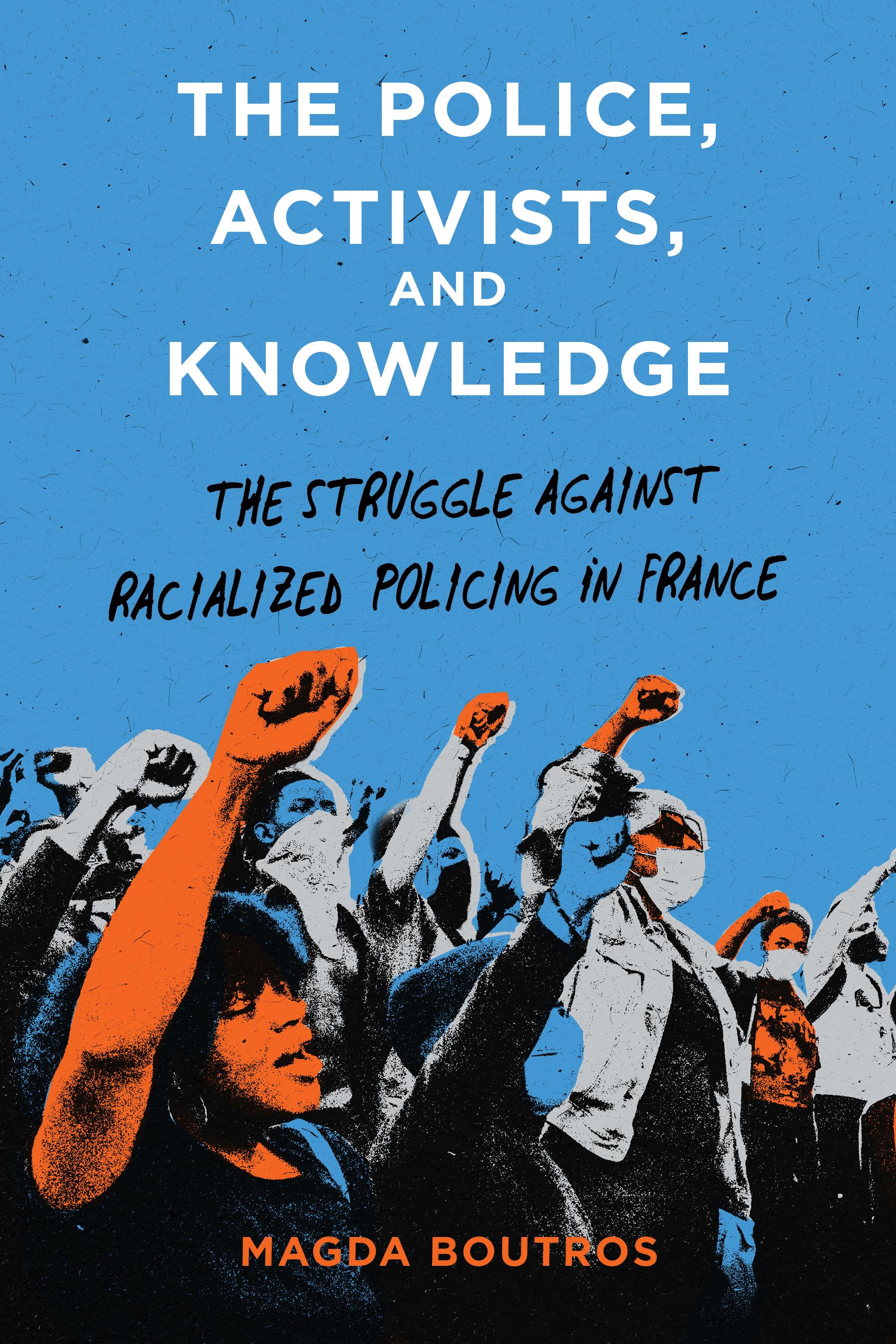
Over the past fifteen years in France, police brutality, racial profiling, and police impunity have become salient issues of the public and political debate. In this book, Magda Boutros examines the social movements that brought these issues to the forefront of public conversations and analyzes how they influenced the terms of the debate about policing and inequality. In France, like in other countries, the police hold significant power to determine what is known – and what remains hidden – about their practices. Drawing on a comparative ethnography of three activist coalitions, Boutros shows the different ways activists produced evidence about policing and racial inequalities: collecting quantitative data, documenting lived experiences of police targets, or victims coming together to analyze patterns of oppression. Each approach to data production shaped activists' conceptions of police violence and racism, their ability to push beyond a "bad apples" narrative, and their visions for change. It also impacted their capacity to push the boundaries of what is knowable and sayable in the media, policy, and judicial fields.
Boutros argues that we must pay attention to the capacity of the police to control what we know, and to the methods movements use to produce knowledge about policing and inequality.
Zahle einfach mit Karte, Klarna, Apple Pay oder Google Pay. Nicht zufrieden? Du hast immer ein 14-tägiges Widerrufsrecht. Lies mehr in unseren AGB. Hast du Fragen, schreib uns eine E-Mail an hello@memmo.org.
Memmo macht das Lernen einfacher – wo auch immer du bist. Bei uns findest du deine Kursbücher und smarte Lerntools an einem Ort: Zusammenfassungen, Quizzes, Podcasts und Lernkarten. Und Ted, dein Lernbuddy, beantwortet alles, was du wissen möchtest. Über 50.000 Studierende lernen bereits hier – gemacht, damit du schneller lernst und weniger Stress hast.