
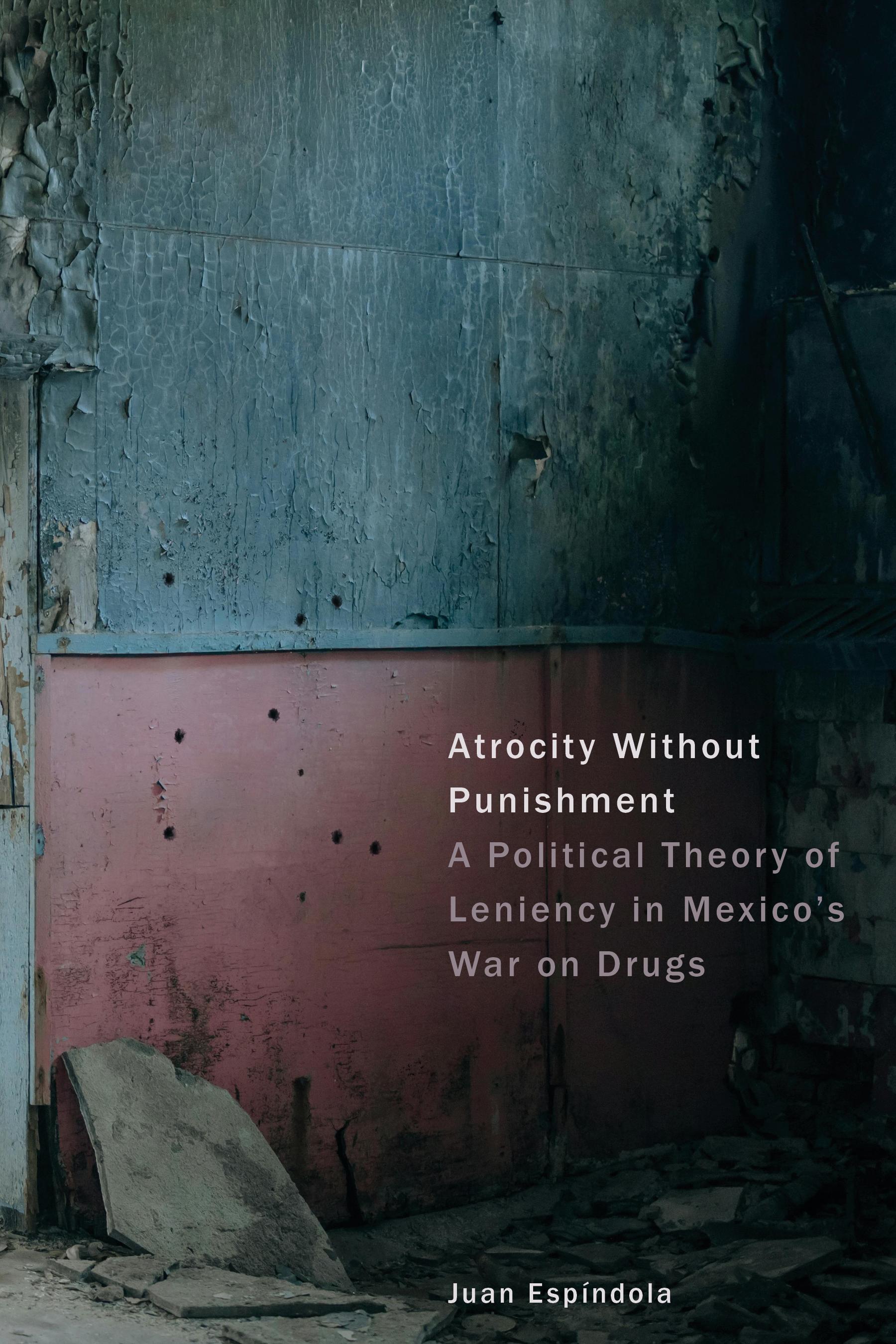
Leniency might sometimes be the ethical response to atrocity. However, the more extraordinary an act of violence is, the greater the compulsion to severely punish the offender. The rationale is that the threat of harsh punishment will be more effective at preventing crime. At the same time, the notion that criminal justice is corrupt and ineffective has become commonplace. At the center of these conflicting trends is a puzzle that this book sets out to solve: what if punishment should not only be judged by its effectiveness, but also by its morality?
Mexico's War on Drugs has unleashed an endless cycle of violence in the country. The resulting human toll is catastrophic. Atrocity Without Punishment advances ethically compelling reasons to impose lenient sentences on offenders involved in drug trafficking, including many who commit serious offenses. Juan Espíndola argues that this is in fact a morally permissible, even obligatory, way to hold perpetrators accountable.
From this vantage point, Espíndola problematizes the relationship between punishment and core political values such as legitimacy and justice. By challenging the criminal justice system in this way, he charts a path toward a more just criminal legal system that can muster the support of those who reject abolitionism.
Zahle einfach mit Karte, Klarna, Apple Pay oder Google Pay. Nicht zufrieden? Du hast immer ein 14-tägiges Widerrufsrecht. Lies mehr in unseren AGB. Hast du Fragen, schreib uns eine E-Mail an hello@memmo.org.
Memmo macht das Lernen einfacher – wo auch immer du bist. Bei uns findest du deine Kursbücher und smarte Lerntools an einem Ort: Zusammenfassungen, Quizzes, Podcasts und Lernkarten. Und Ted, dein Lernbuddy, beantwortet alles, was du wissen möchtest. Über 50.000 Studierende lernen bereits hier – gemacht, damit du schneller lernst und weniger Stress hast.