
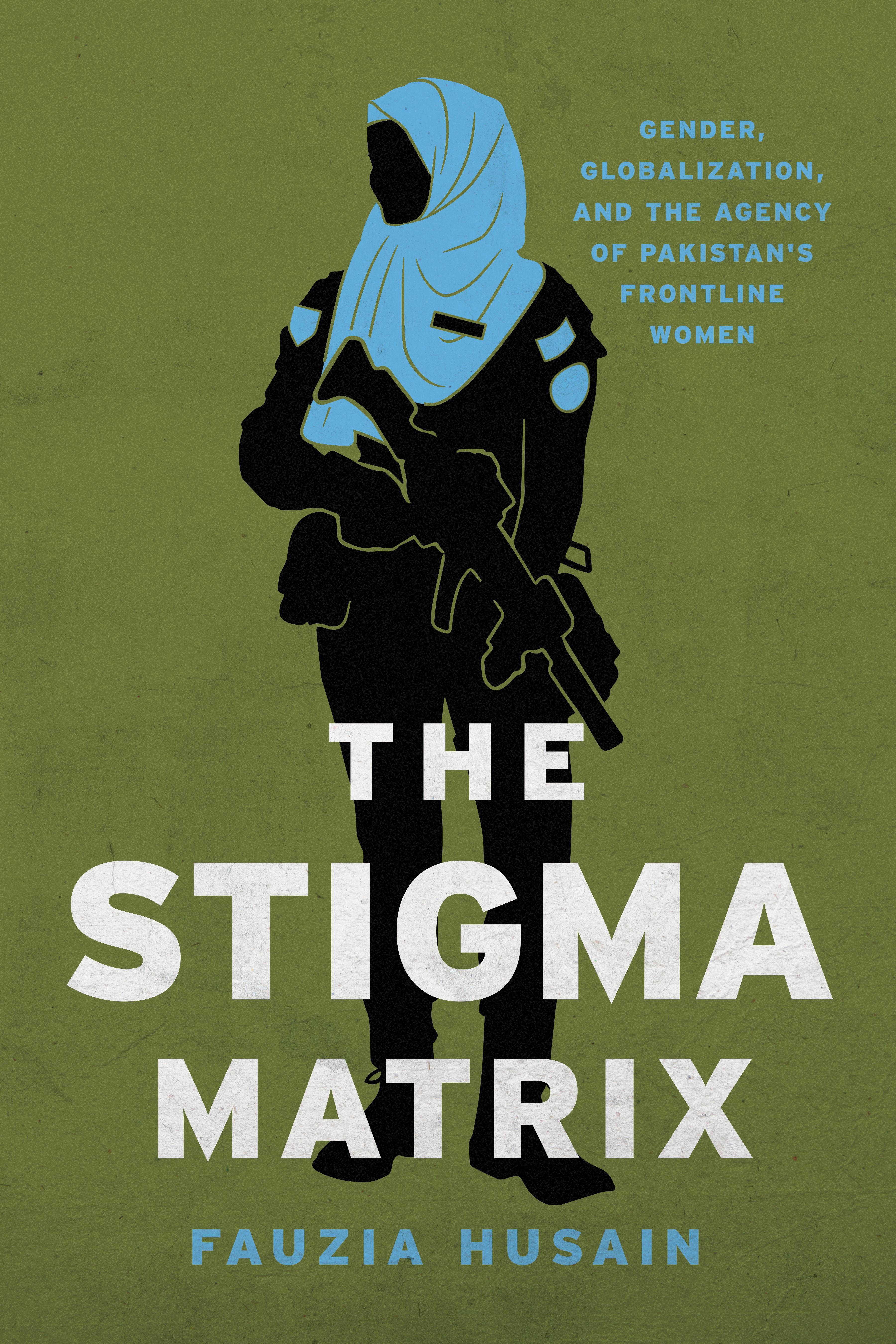
As developing states adopt neoliberal policies, more and more working-class women find themselves pulled into the public sphere. They are pressed into wage work by a privatizing and unstable job market. Likewise, they are pulled into public roles by gender mainstreaming policies that developing states must sign on to in order to receive transnational aid. Their inclusion into the political economy is very beneficial for society, but is it also beneficial for women? In The Stigma Matrix Fauzia Husain draws on the experiences of policewomen, lady health workers, and airline attendants, all frontline workers who help the Pakistani state, and its global allies, address, surveil, and discipline veiled women citizens. These women, she finds, confront a stigma matrix: a complex of local and global, historic, and contemporary factors that work together to complicate women's integration into public life. The experiences of the three groups Husain examines reveal that inclusion requires more than quotas or special seats. This book advances critical feminist and sociological frameworks on stigma and agency showing that both concepts are made up of multiple layers of meaning, and are entangled with elite projects of hegemony.
Zahle einfach mit Karte, Klarna, Apple Pay oder Google Pay. Nicht zufrieden? Du hast immer ein 14-tägiges Widerrufsrecht. Lies mehr in unseren AGB. Hast du Fragen, schreib uns eine E-Mail an hello@memmo.org.
Memmo macht das Lernen einfacher – wo auch immer du bist. Bei uns findest du deine Kursbücher und smarte Lerntools an einem Ort: Zusammenfassungen, Quizzes, Podcasts und Lernkarten. Und Ted, dein Lernbuddy, beantwortet alles, was du wissen möchtest. Über 50.000 Studierende lernen bereits hier – gemacht, damit du schneller lernst und weniger Stress hast.