
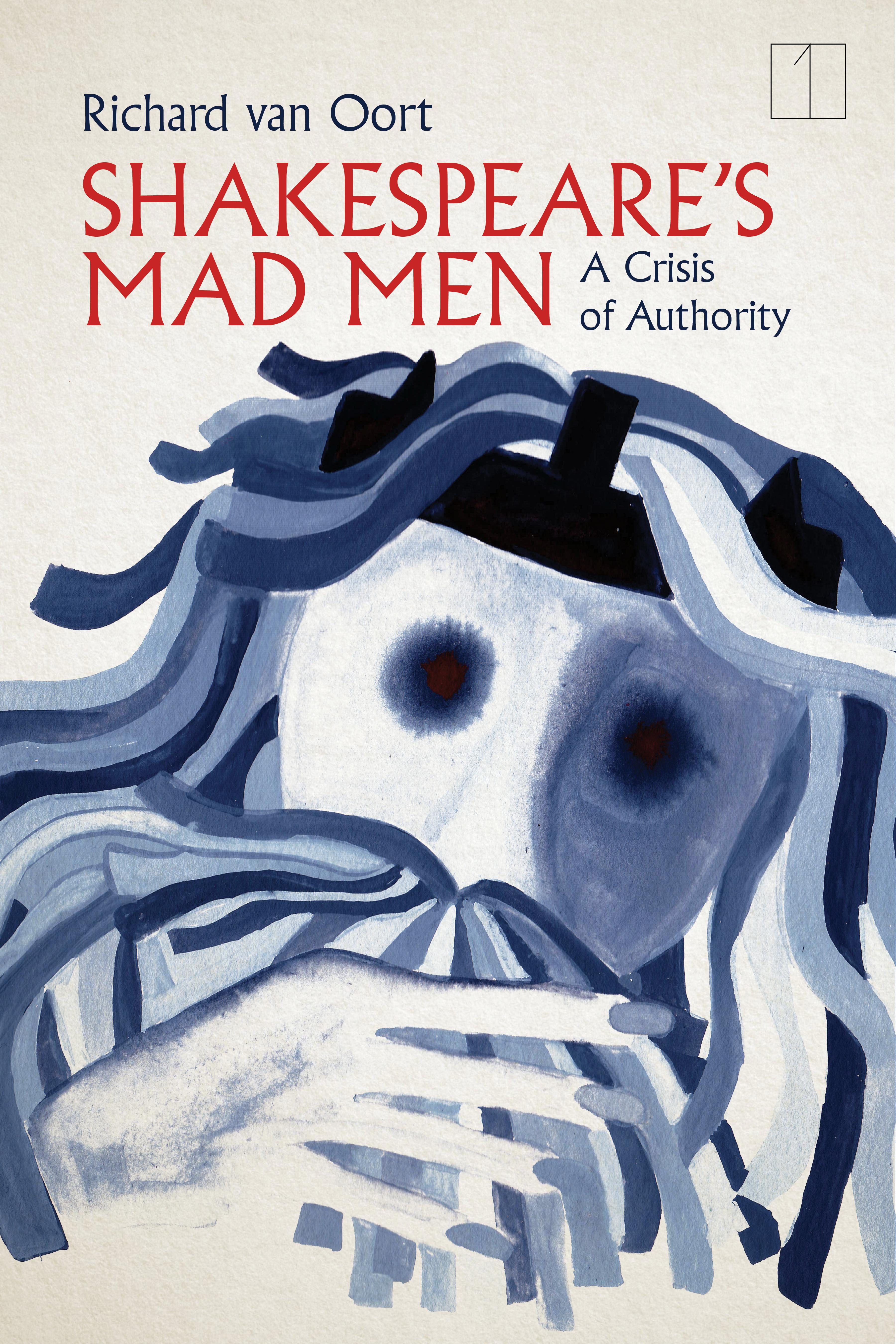
This book is about a mad king and a mad duke. With original and iconoclastic readings, Richard van Oort pioneers the reading of Shakespeare as an ethical thinker of the "originary scene," the scene in which humans became conscious of themselves as symbol-using moral and narrative beings. Taking King Lear and Measure for Measure as case studies, van Oort shows how the minimal concept of an anthropological scene of origin—the "originary hypothesis"—provides the basis for a new understanding of every aspect of the plays, from the psychology of the characters to the ethical and dialogical conflicts upon which the drama is based. The result is a gripping commentary on the plays. Why does Lear abdicate and go mad? Why does Edgar torture his father with non-recognition? Why does Lucio accuse the Duke in Measure for Measure of madness and lechery, and why does Isabella remain silent at the end? In approaching these and other questions from the perspective of the originary hypothesis, van Oort helps us to see the ethical predicament of the plays, and, in the process, makes Shakespeare new again.
Zahle einfach mit Karte, Klarna, Apple Pay oder Google Pay. Nicht zufrieden? Du hast immer ein 14-tägiges Widerrufsrecht. Lies mehr in unseren AGB. Hast du Fragen, schreib uns eine E-Mail an hello@memmo.org.
Memmo macht das Lernen einfacher – wo auch immer du bist. Bei uns findest du deine Kursbücher und smarte Lerntools an einem Ort: Zusammenfassungen, Quizzes, Podcasts und Lernkarten. Und Ted, dein Lernbuddy, beantwortet alles, was du wissen möchtest. Über 50.000 Studierende lernen bereits hier – gemacht, damit du schneller lernst und weniger Stress hast.