
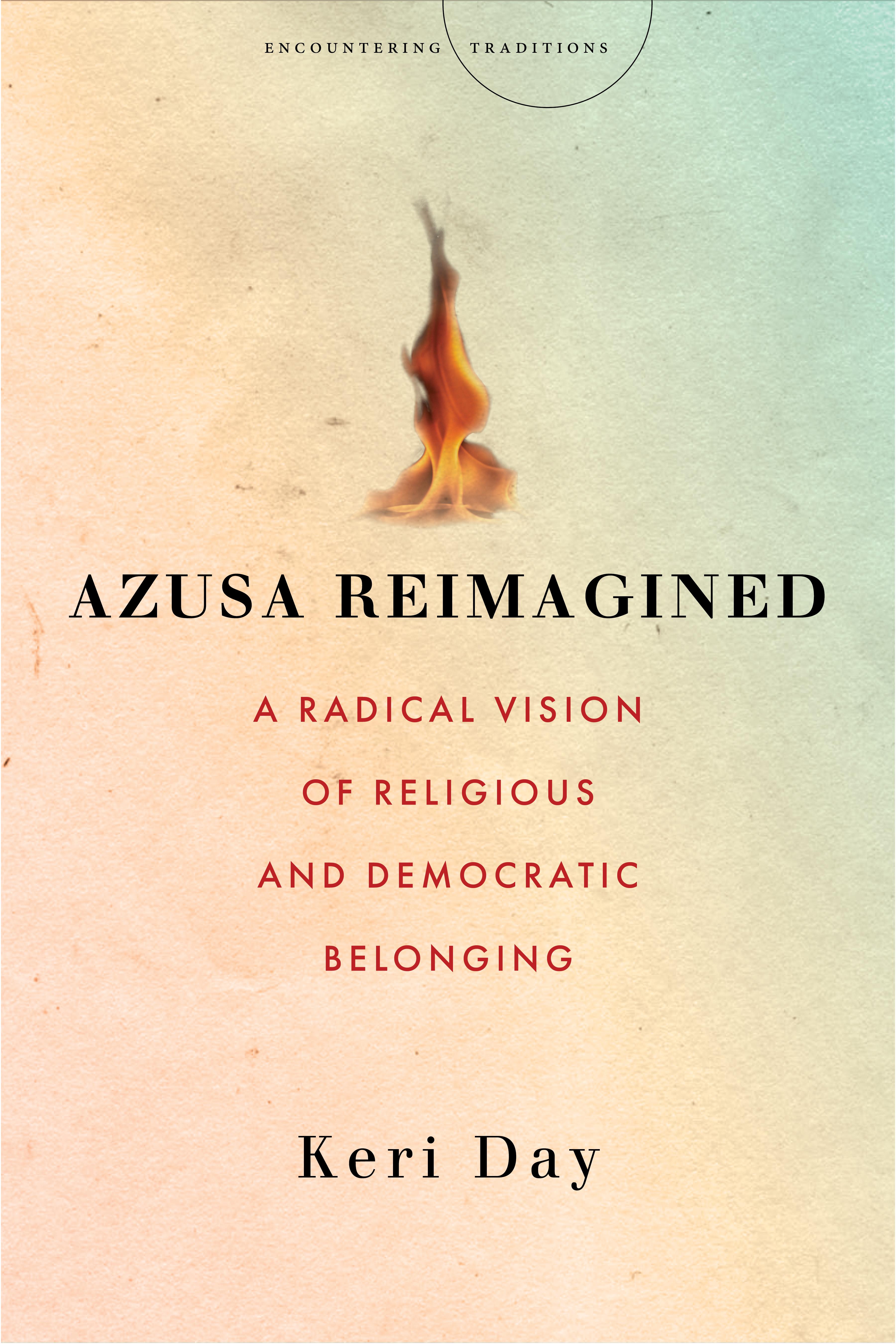
In Azusa Reimagined, Keri Day explores how the Azusa Street Revival of 1906, out of which U.S. Pentecostalism emerged, directly critiqued America's distorted capitalist values and practices at the start of the twentieth century. Employing historical research, theological analysis, and critical theory, Day demonstrates that Azusa's religious rituals and traditions rejected the racial norms and profit-driven practices that many white Christian communities gladly embraced.
Through its sermons and social practices, the Azusa community critiqued racialized conceptions of citizenship that guided early capitalist endeavors such as world fairs and expositions. Azusa also envisioned deeper democratic practices of human belonging and care than the white nationalist loyalties early U.S. capitalism encouraged. In this lucid work, Day makes Azusa's challenge to this warped economic ecology visible, showing how Azusa not only offered a radical critique of racial capitalism but also offers a way for contemporary religious communities to cultivate democratic practices of belonging against the backdrop of late capitalism's deep racial divisions and material inequalities.
Zahle einfach mit Karte, Klarna, Apple Pay oder Google Pay. Nicht zufrieden? Du hast immer ein 14-tägiges Widerrufsrecht. Lies mehr in unseren AGB. Hast du Fragen, schreib uns eine E-Mail an hello@memmo.org.
Memmo macht das Lernen einfacher – wo auch immer du bist. Bei uns findest du deine Kursbücher und smarte Lerntools an einem Ort: Zusammenfassungen, Quizzes, Podcasts und Lernkarten. Und Ted, dein Lernbuddy, beantwortet alles, was du wissen möchtest. Über 50.000 Studierende lernen bereits hier – gemacht, damit du schneller lernst und weniger Stress hast.