
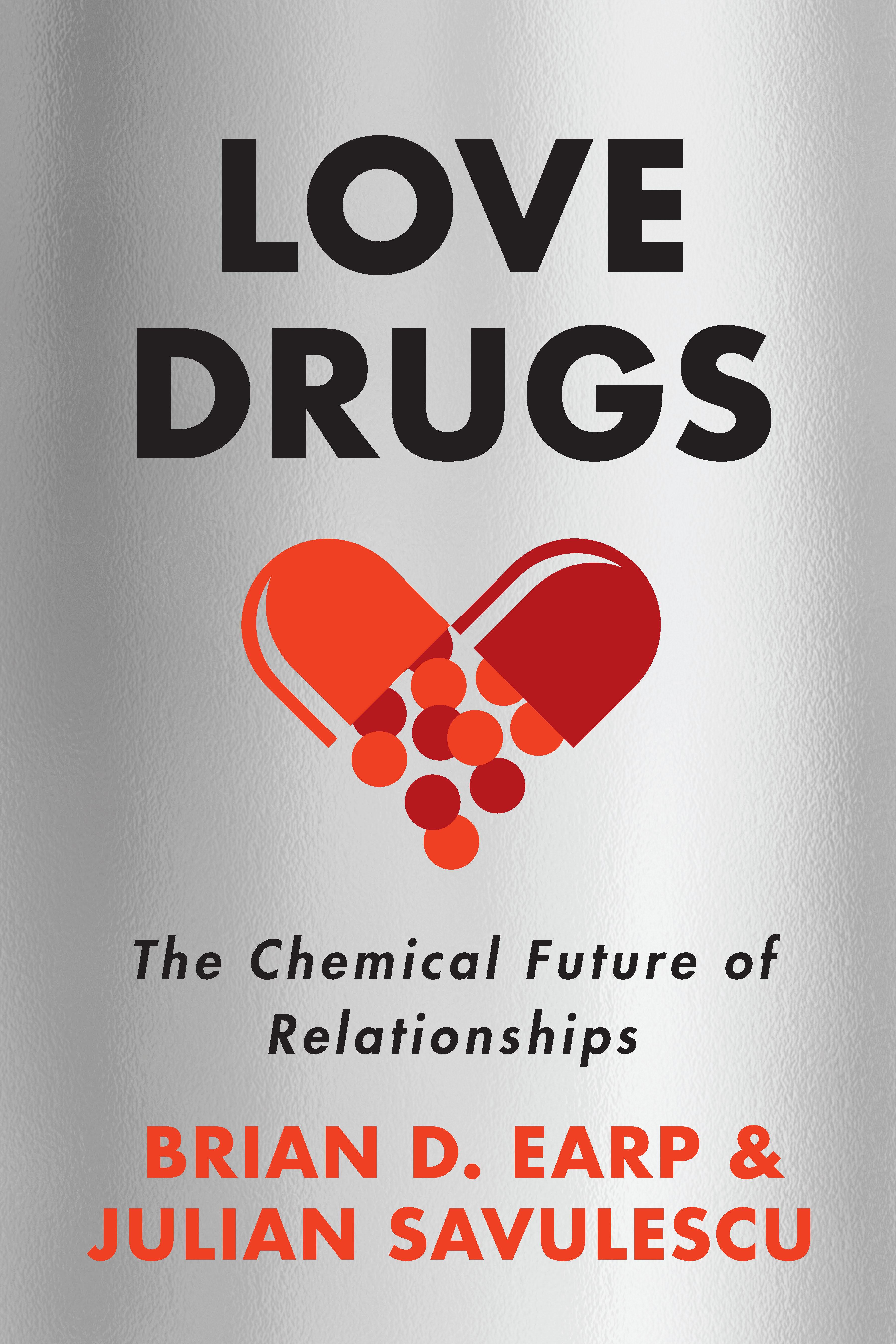
Is there a pill for love? What about an "anti-love drug", to help us get over an ex? This book argues that certain psychoactive substances, including MDMA—the active ingredient in Ecstasy—may help ordinary couples work through relationship difficulties and strengthen their connection. Others may help sever an emotional connection during a breakup. These substances already exist, and they have transformative implications for how we think about love. This book builds a case for conducting research into "love drugs" and "anti-love drugs" and explores their ethical implications for individuals and society. Scandalously, Western medicine tends to ignore the interpersonal effects of drug-based interventions. Why are we still in the dark about the effects of these drugs on romantic partnerships? And how can we overhaul scientific research norms to take relationships more fully into account?
Ethicists Brian D. Earp and Julian Savulescu say that the time to think through such questions is now. Biochemical interventions into love and relationships are not some far-off speculation. Our most intimate connections are already being influenced by drugs we ingest for other purposes. Controlled studies are underway to see whether artificial brain chemicals can enhance couples therapy. And conservative religious groups are experimenting with certain medications to quash romantic desires—and even the urge to masturbate—among children and vulnerable sexual minorities. Simply put, the horse has bolted. Where it runs is up to us. Love Drugs arms us with the latest scientific knowledge and a set of ethical tools that we can use to decide if these sorts of medications should be a part of our society. Or whether a chemical romance will be right for us.
Zahle einfach mit Karte, Klarna, Apple Pay oder Google Pay. Nicht zufrieden? Du hast immer ein 14-tägiges Widerrufsrecht. Lies mehr in unseren AGB. Hast du Fragen, schreib uns eine E-Mail an hello@memmo.org.
Memmo macht das Lernen einfacher – wo auch immer du bist. Bei uns findest du deine Kursbücher und smarte Lerntools an einem Ort: Zusammenfassungen, Quizzes, Podcasts und Lernkarten. Und Ted, dein Lernbuddy, beantwortet alles, was du wissen möchtest. Über 50.000 Studierende lernen bereits hier – gemacht, damit du schneller lernst und weniger Stress hast.