
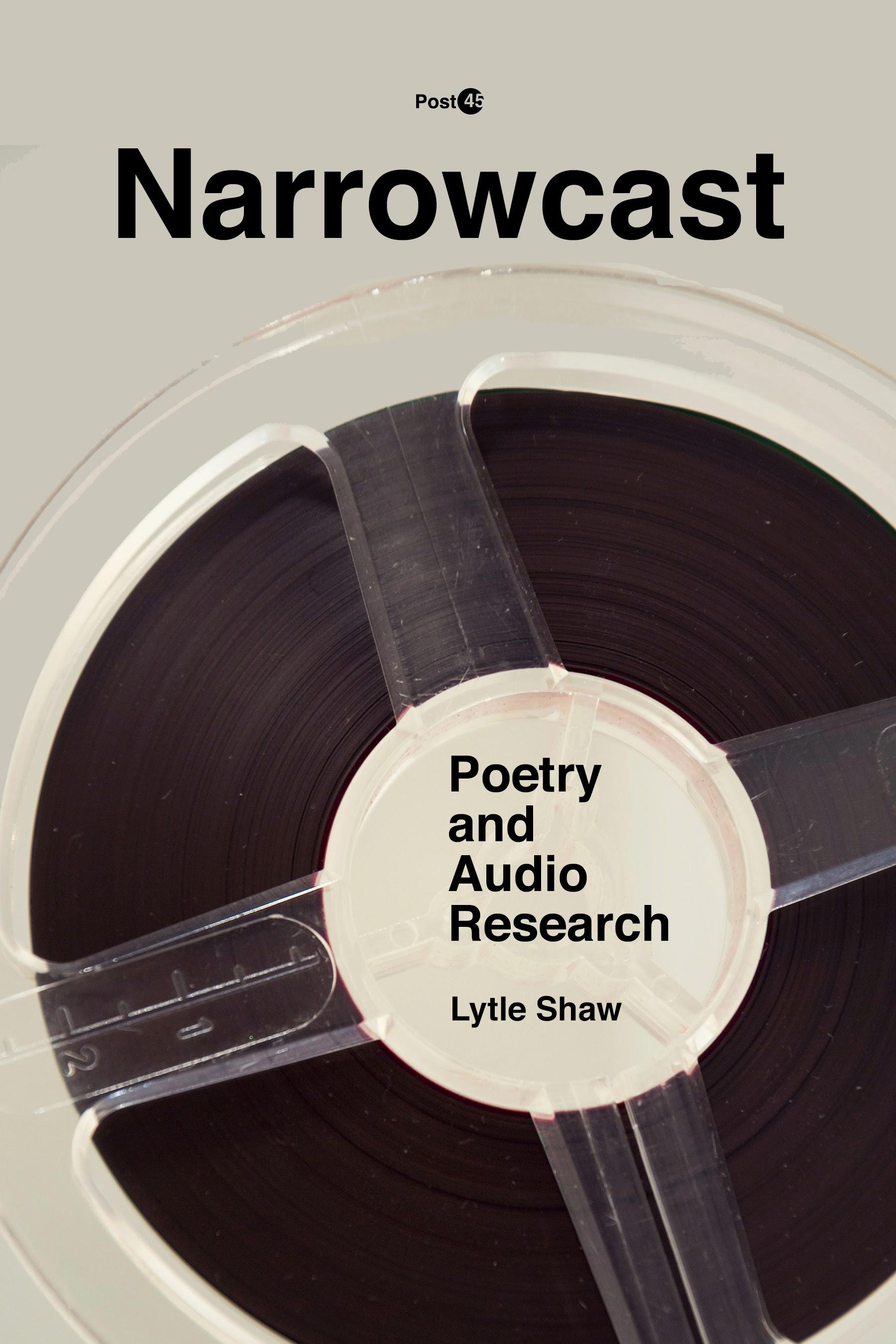
Narrowcast explores how mid-century American poets associated with the New Left mobilized tape recording as a new form of sonic field research even as they themselves were being subjected to tape-based surveillance. Media theorists tend to understand audio recording as a technique for separating bodies from sounds, but this book listens closely to tape's embedded information, offering a counterintuitive site-specific account of 1960s poetic recordings. Allen Ginsberg, Charles Olson, Larry Eigner, and Amiri Baraka all used recording to contest models of time being put forward by dominant media and the state, exploring non-monumental time and subverting media schedules of work, consumption, leisure, and national crises. Surprisingly, their methods at once dovetailed with those of the state collecting evidence against them and ran up against the same technological limits. Arguing that CIA and FBI "researchers" shared unexpected terrain not only with poets but with famous theorists such as Fredric Jameson and Hayden White, Lytle Shaw reframes the status of tape recordings in postwar poetics and challenges notions of how tape might be understood as a mode of evidence.
Zahle einfach mit Karte, Klarna, Apple Pay oder Google Pay. Nicht zufrieden? Du hast immer ein 14-tägiges Widerrufsrecht. Lies mehr in unseren AGB. Hast du Fragen, schreib uns eine E-Mail an hello@memmo.org.
Memmo macht das Lernen einfacher – wo auch immer du bist. Bei uns findest du deine Kursbücher und smarte Lerntools an einem Ort: Zusammenfassungen, Quizzes, Podcasts und Lernkarten. Und Ted, dein Lernbuddy, beantwortet alles, was du wissen möchtest. Über 50.000 Studierende lernen bereits hier – gemacht, damit du schneller lernst und weniger Stress hast.